DJI Neo 2 Review: This Drone Made Me a Believer
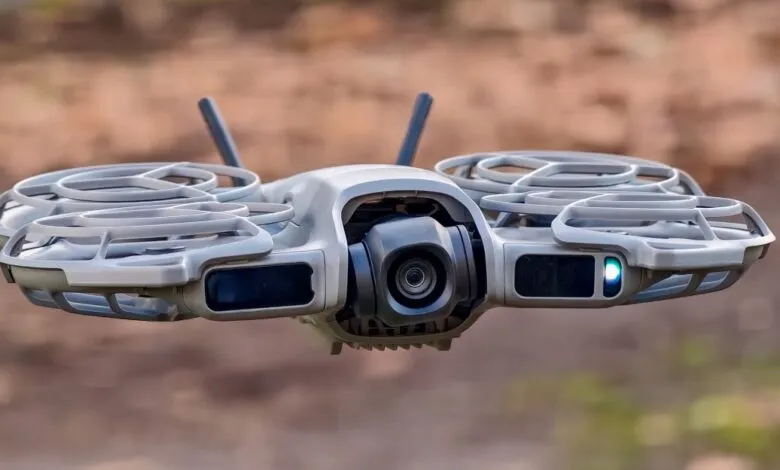
▼ Summary
– The DJI Neo 2 is a compact, affordable drone designed for beginners, offering a low-risk entry point with improved features over its predecessor.
– It is lightweight (under 250g), which helps it avoid strict regulations, and is durable enough to withstand minor crashes and tumbles.
– The drone features automatic flight modes like Follow for tracking subjects, and it can capture 4K video and photos with a quality comparable to a smartphone.
– Its obstacle detection is improved but not perfect, and it has a practical battery life of about 15-20 minutes per charge with internal storage of 49GB.
– The main drawbacks include a clunky DJI Fly app and the fact that, while capable, it doesn’t match the camera quality or performance of more expensive, powerful drones.
For anyone curious about drones but intimidated by their complexity and cost, the DJI Neo 2 presents a compelling and accessible entry point. This compact, lightweight flyer strips away the steep learning curve, offering surprisingly capable automated flight and decent camera quality in a package designed for beginners. It won’t replace a professional cinematographer’s rig, but for capturing dynamic personal footage with minimal fuss, it hits a remarkably sweet spot.
My own journey with drones has been hesitant. They always seemed like fragile, expensive gadgets requiring a pilot’s license and perfect coordination. The allure of aerial shots was strong, but the barrier to entry felt higher than I was willing to climb. DJI’s earlier attempts at a beginner drone, like the affordable Neo, came close but had noticeable gaps. The Neo 2 feels like the iteration that finally gets it right, addressing key shortcomings while staying within a reasonable budget for newcomers.
What makes the Neo 2 stand out is its sheer simplicity and portability. Weighing just 151 grams, it slips easily into a backpack and, crucially, falls under the 250-gram threshold that avoids heavier regulations in many regions. I often left the controller at home, relying solely on the drone’s onboard controls for quick launches. A couple of button presses power it on, and holding it flat in your palm before tapping the start button sends it skyward. The Follow mode is the star feature, capably tracking a subject while offering control over distance and camera angle. It kept pace with me on runs, though very fast bike rides might leave it behind.
Obstacle avoidance is improved but not infallible. During testing, it adeptly navigated around tree trunks but occasionally snagged on thin, leafless branches. One such encounter left it stranded, requiring a manual retrieval. Hiding behind a large object can break its tracking, causing it to hover patiently. Despite these moments, the drone proved surprisingly durable. The included propeller guards and a resilient body survived my minor crashes without a scratch, encouraging a less anxious, more experimental approach to flying.
Beyond following, a suite of automated shot modes, like the Dronie, Rocket, and Circle, provide quick, cinematic clips. The camera itself sees meaningful upgrades, including a wider aperture and the ability to shoot 4K video at 60fps. It also properly supports vertical video recording at 2.7K, a fix for a notable omission in the first Neo. Image quality is comparable to a modern smartphone in good light, though it can struggle with overexposing bright highlights. The point isn’t to compete with high-end drones, but to offer similar convenience and quality from a unique aerial perspective.
Control is versatile. You can use gesture commands for basic actions like landing in your palm, which proved more useful than anticipated. For full manual piloting, the DJI Fly app on your phone works, or you can opt for a dedicated remote like the RC-N3, often bundled in pricier kits. These kits also include a transceiver for extended range. The app itself, however, is a weak link. On Android, it’s clunky, forces awkward screen orientation switches, and must be downloaded directly from DJI’s site.
Practical considerations are important for a device like this. Battery life is realistically about 15 minutes per charge, as the drone initiates a safety landing before the battery is fully depleted. Spare batteries are a wise investment. It stores footage internally on 49GB of built-in storage, enough for a couple of hours of shooting before you need to offload files. Piloting feels secure; even on a windy day, its 2-axis gimbal delivered stable footage despite the drone itself tilting noticeably.
You do need to be mindful of its limits. Flying out of range causes the video feed to stutter before the drone attempts an automatic return-to-home. This feature also requires careful setup; taking off under a tree could prompt a risky landing approach through branches. While not waterproof, it can be flown over calm water with caution.
The DJI Neo 2 won’t satisfy enthusiasts seeking raw power or cinematic perfection. Its camera has limitations, the app is frustrating, and flight time is brief. Yet, as a low-risk, high-fun introduction to aerial photography, it is exceptionally successful. It transformed my nervous curiosity into genuine enjoyment, proving that you don’t need to spend a fortune or earn a pilot’s certificate to experience the thrill of flight. For now, this is precisely the drone I needed.
(Source: The Verge)