Inside Netflix’s Strategy for Kids Games: Safety, Sharing, and Play
▼ Summary
– Netflix’s gaming strategy has shifted from triple-A titles to focus on broader appeal, with kids being one of its four strategic pillars.
– The company sees a tight connection for kids between watching an IP and playing a related game, which is stronger than for adult audiences.
– A key recent development is making age-appropriate mobile games discoverable within kids’ profiles after foundational safety and parental control work.
– Success for Netflix Kids Games is measured by engagement and playtime, not revenue, allowing developers to focus on fun rather than paywalls.
– The current portfolio skews preschool, but the company is planning to develop more experiences for the six-to-eight age group by 2026.
Netflix’s approach to gaming is carving out a distinct path, particularly for younger audiences. Rather than chasing blockbuster console titles, the company is strategically building a curated ecosystem of age-appropriate mobile games that integrate seamlessly with its family-friendly content. This focus on safety, engagement, and recognizable intellectual property forms the core of a plan to make gaming a natural extension of the Netflix experience for kids.
According to Lisa Burgess, who leads the kids gaming division, the role of these games is straightforward: to entertain. She notes that while Netflix excels with films and series, gaming represents a huge part of entertainment, especially for younger mobile users. The strategy isn’t about competing with the entire gaming industry, but about owning a specific piece of the audience. Kids represent one of the company’s four strategic pillars for gaming, with a unique dynamic where their connection to an IP often translates directly into a desire to both watch and play.
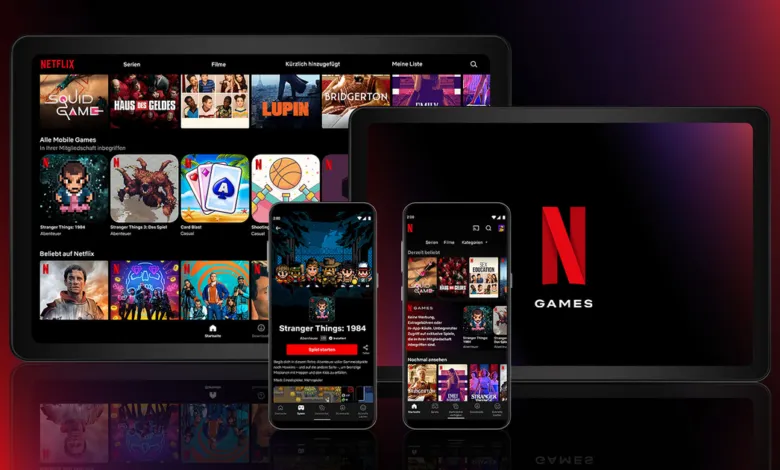
A significant recent development has been making games discoverable directly within kids’ profiles, a move that required considerable foundational work. Before this could happen, Netflix needed to ensure robust parental controls and safety features were embedded within its software development kit. The balance between parental oversight and easy discovery for children was paramount, built upon existing profile controls and ongoing consumer insights gathered from parents.
As Netflix explores gaming beyond mobile, into browsers and televisions, the concept of shared family play becomes increasingly important. Designing for these shared moments, particularly for the living room, involves careful consideration. A key principle is designing for the youngest potential user; if a game is intended for children who cannot yet read, it must function without relying on text instructions. This philosophy ensures that family games are inclusive and don’t leave younger players behind.
When selecting intellectual property to extend into games for children, the focus is on high recognition. This includes major franchises available on the streaming service, as well as established toy or literary brands. The goal is for the connection to feel intuitive. For very young children, an IP can become a holistic part of their world, encompassing viewing, playing, and merchandise. The current portfolio has a strong preschool foundation, but there are plans to develop more experiences for the six-to-eight age range, acknowledging the competitive challenges as children start exploring platforms like Roblox.
Success for Netflix’s kids gaming initiative is defined differently than in many other sectors of the industry. The primary metric is engagement and time spent playing, not direct revenue. This shift allows game developers to concentrate on creating fun, high-quality experiences without the pressure of designing around paywalls or monetization tactics. The timeline for success is viewed as a trajectory rather than a fixed endpoint, with positive external signals, like having multiple titles appear in top free kids game charts, indicating meaningful progress.
The company also makes a clear distinction between games designed specifically for children and those that are merely appropriate for them. Curating the kids profile involves active selection, similar to the process for TV and film content, to ensure a safe and relevant environment. Looking ahead, Netflix is excited to build upon these foundations by anticipating trends for the next generation of users, such as an inherent expectation for personalization and customization in their digital experiences.
(Source: Games Industry)