iPhone 18 Pro Camera: Why Small Gains Matter

▼ Summary
– Apple recently launched the iPhone 18 Pro, which follows an iterative design similar to its predecessor, the iPhone 17 Pro.
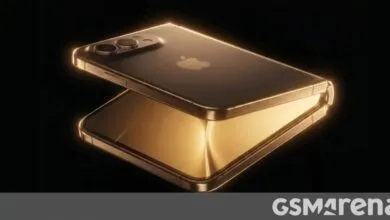
– The foldable iPhone Duo was the highlight of the launch event but is not available until next month.
– The 18 Pro features a new A20 Pro chip with improved thermal management for sustained performance.
– A key hardware innovation is a variable aperture in the main camera, allowing adjustments between f/1.48 and f/4.
– Despite the new camera technology, photo quality improvements are marginal, offering little incentive to upgrade from the 17 Pro.
Iterative Hardware, Subtle Gains
Apple’s recent launch event showcased a device that has already influenced competitors to rethink their flagship designs. However, the spotlight did not fall on the iPhone 18 Pro. That title belongs to the foldable iPhone Duo, which is scheduled for release next month. The 18 Pro and Pro Max occupy an unusual position as the second most interesting devices announced, arriving with a design so familiar to the iPhone 17 Pro that existing cases remain compatible. For the average user, there are no surprises. Unless you are a dedicated smartphone photographer, the decision to upgrade from a 17 Pro likely hinges on finding a discount rather than chasing new hardware. This represents the expected trajectory for Apple’s flagship line: excellent performance driven by incremental, iterative improvements.
The Variable Aperture Explained
The most significant hardware change resides within the main camera system. Apple has introduced a moving aperture, a feature rarely seen in mobile photography. Most phone cameras utilize fixed apertures because their small sensors keep most of a scene in focus even when shooting wide open. Typically, maximizing light intake is the priority. However, Apple recognized specific scenarios where controlling light entry offers advantages. The new mechanism allows the aperture to open wider to f/1.48, compared to the previous f/1.8 maximum, and close down to stops at f/1.8, f/2.8, and f/4.
This dual capability addresses two distinct photographic needs. A wider aperture like f/1.48 improves low-light performance by allowing more light onto the sensor. While smartphones rely heavily on computational multi-frame processing to manage noise, additional light still contributes to cleaner images. The practical benefit is most noticeable in Night Mode, where the larger aperture permits shorter exposure times. This reduces motion blur from hand movement and lowers the amount of noise the software must process. Conversely, stopping down to narrower apertures like f/4 increases the depth of field. This keeps more of a subject in focus, which is particularly useful for close-up shots of objects like statues or text where background blur might obscure details.
Despite these technical advantages, the visual differences are often marginal. The iPhone’s sensor size means that even at f/1.48, the depth of field remains relatively deep, similar to an f/5 aperture on a full-frame DSLR. Consequently, most subjects will appear sharp without manual intervention. The default automatic mode handles these adjustments seamlessly, keeping the aperture at f/1.8 in good light, opening to f/1.48 in dim conditions, and closing to f/4 for group photos or macro work. For users who do not monitor f-stops, the experience remains largely unchanged.
Pro Controls and Creative Tools
Beyond the mechanical aperture, Apple has finally integrated manual controls into the native camera app. Users can now adjust shutter speed, white balance, focus, and the aforementioned aperture directly within the interface. This addition caters to photographers seeking greater creative control without relying on third-party applications. Notably, using a manual shutter speed triggers single-frame capture rather than the standard multi-frame stacking. This results in less processed images with reduced dynamic range, offering a purer aesthetic that some enthusiasts have long requested.
The update also expands Photographic Styles with new texture options. These allow users to add film-inspired glows, overlay grain, or soften skin tones. This shift acknowledges a broader industry trend where manufacturers are embracing stylistic imperfections alongside technological precision. Competitors like Google and Samsung have already invested heavily in customizable photo aesthetics, and Apple is responding to this demand for artistic flexibility. Additionally, a first-party wrist strap accessory aims to make handling the device feel more akin to using a traditional camera, further bridging the gap between phone and dedicated imaging tool.
Video Enhancements and Reference Image Security
Video capabilities have received targeted updates as well. AI-driven focus tracking now maintains lock on subjects even if they briefly leave the frame. Furthermore, users can convert standard video footage into Cinematic mode after recording, eliminating the need to remember to switch modes during spontaneous moments. File sizes remain comparable to previous generations, minimizing storage concerns.
A more complex addition is the Reference Image feature, designed to verify photo authenticity. By enabling this mode in settings, the main camera sensor embeds encrypted data into the image file. This creates a digital “negative” that can be verified through Apple’s Private Cloud Compute. While the current implementation requires manual activation and results in larger file sizes, it provides a robust method for distinguishing genuine photos from AI-generated forgeries. An API will allow third-party apps to integrate verification tools, expanding the ecosystem’s ability to combat misinformation.
Performance, Price, and Longevity
The iPhone 18 Pro starts at $1,199, a $100 increase over its predecessor, while the Pro Max begins at $1,299. Storage upgrades remain expensive, with top-tier 2TB models reaching nearly $2,500. Under the hood, the A20 Pro chip paired with an improved vapor chamber aims to sustain peak performance longer. Early testing indicates manageable thermal output despite heavy initial setup tasks. Battery life shows modest gains, with the Pro offering 36 hours of video playback and the Pro Max 45 hours. Real-world longevity will depend on individual usage patterns and battery health over time.
Connectivity sees a milestone with the introduction of Apple’s in-house C2 modem in Pro models. Paired with the N1 wireless chip, it delivers reliable switching between Wi-Fi and cellular networks. Visually, the Dynamic Island shrinks as the Face ID sensor moves beneath the display pixels. While this saves screen real estate, the practical impact on daily use appears minimal for most consumers.
Software and the Future of the iPhone Camera
The release of iOS 27 brings a revamped Siri, capable of searching across emails and messages simultaneously. Its more concise, task-oriented approach contrasts with chatty AI assistants, appealing to users who prefer efficiency. As the software rolls out publicly, its ability to handle complex queries will determine its adoption rate.
Ultimately, the iPhone 18 Pro refines the smartphone camera experience rather than revolutionizing it. The variable aperture and manual controls offer tangible benefits for those who seek them, but the core promise remains consistent: delivering a usable photo automatically. For the majority of users, the phone functions as it always has, quietly optimizing settings behind the scenes. The move toward flexible, hands-on photography tools suggests Apple recognizes a growing desire for creative agency. However, the device remains firmly rooted in its identity as a phone. It captures the moment with increasing competence, but it does not replace the dedicated camera experience that enthusiasts still crave.
(Source: The Verge)