UK’s 2026 BAFTA Breakthroughs in video games
▼ Summary
– BAFTA has announced its annual Breakthroughs program, selecting 21 creatives from UK film, games, and television for career support and industry networking.
– The initiative is supported by Netflix and aims to provide recipients with mentorship, connections, and full BAFTA membership to build lasting careers.
– This year’s games cohort features five developers, including Eloise Singer and Husban Siddiqi, who were interviewed about their backgrounds and goals.
– Eloise Singer, known for the VR experience The Pirate Queen, expressed excitement about cross-industry collaboration and finally being selected after eight attempts.
– Husban Siddiqi shared his journey into game development, highlighting his debut title Rogue Eclipse and the formative role gaming played in his life.
BAFTA has unveiled its 2026 Breakthroughs list, highlighting 21 emerging talents across film, television, and video games. The initiative provides selected creatives with career guidance, access to industry networking events, and full BAFTA membership. Supported by Netflix, the program aims to foster long-term professional growth within the creative sectors.
Jane Millichip, CEO of BAFTA, emphasized the significance of the award. She stated it is “hugely impactful for the recipients.” She added that the program “is designed to give them the support and connections to build lasting careers.“
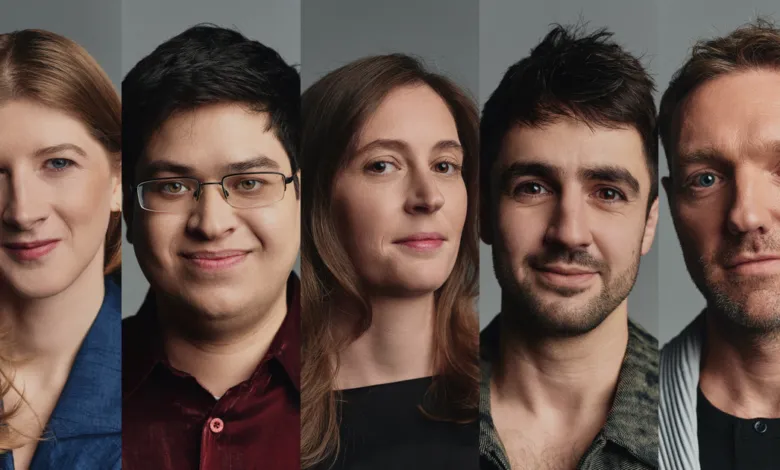
The video games cohort features five distinct creators who represent diverse roles within the industry. This year’s selections include Eloise Singer, a writer and director; Husban Siddiqi, a game director and developer; Kate Killick, creative director; Niru Fekri-Arnold, creator and designer; and Tom McKay, a performer. GamesIndustry.biz interviewed these individuals to explore their backgrounds and expectations from the program.
Immersive Storytelling and Persistence
Eloise Singer serves as the CEO and creative director of Singer Studios. She is best known for her work on The Pirate Queen: No Safe Waters, an Emmy-nominated virtual reality experience narrated by Lucy Liu. The project centers on the Chinese pirate leader Cheng Shih and is set to expand through an international tour, a graphic novel, and a new video game adaptation.
Singer expressed enthusiasm for the collaborative nature of game development. She noted, “I love how collaborative game development is, and how generous people are with their ideas and expertise. The best part is watching people play: seeing them laugh, compete and get completely caught up in something we’ve created together. It’s hard to beat that feeling.“
This selection marks Singer’s eighth attempt at joining the Breakthrough initiative. Her persistence paid off after facing discouragement from others. She remarked, “There were people who told me to give up along the way, so being selected means a great deal. I think BAFTA recognised the creative ambition behind The Pirate Queen: No Safe Waters, and our approach to bringing Cheng Shih’s extraordinary story to life in a new immersive format.“
Singer values the cross-disciplinary opportunities the program offers. She explained, “My work moves between film, games and immersive storytelling, so the chance to share ideas across those worlds is particularly valuable. Access to mentors and the wider BAFTA and Netflix network is wonderful; I’m really excited by the friendships and collaborations that might grow from it.“
Indie Development and Community Support
Husban Siddiqi recently released his debut title, Rogue Eclipse, a spaceflight shooter roguelike. The project was among the first funded by Innersloth’s indie games fund, Outersloth, in 2024. Siddiqi traced his passion for gaming back to childhood experiences with friends and family. He recalled, “From that moment onwards it’s pretty much been a non-stop part of my life regardless of scale or genre; and ultimately it was that spark of joy I felt that set me on the trajectory towards this industry.“
He views games as a unique blend of art and technology. He stated, “Games are this wonderful intersection between art and technology, which opens up this incredible space for all kinds of experiences and worlds that can be inhabited or explored. There is a creative fulfilment with making games in general that isn’t quite like anything else, and the industry at large, particularly on the independent side, has this engaged community looking to push and explore that space further.“
Siddiqi hopes to use his platform to assist newcomers. He said, “I’ve been incredibly blessed and fortunate to have these opportunities in the industry, so more than anything else I’m hoping through this programme I’ll be able to help out others who are starting their journey in games or with their own creative endeavours.“
He also credited BAFTA for facilitating key connections. He noted, “As a result of one of BAFTA’s programmes, I had an opportunity to connect with other talented and fantastic creatives that ended up working on Rogue Eclipse. Beyond this, their initiatives to shine a spotlight on the industry, whether it be visiting the studios or interviewing the teams that craft the experiences we enjoy, through to the awards, which again are just areas of recognition that are appreciated.“
Educational Gaming and Studio Growth
Kate Killick leads Glowfrog Games, a studio focused on art and design for educational and children’s titles. Her company’s debut release, Pieced Together, launched last year after three years of development. Killick described the launch as the culmination of years of effort. She reflected, “It was a long period of hard work and perseverance – there were many moments when I didn’t know if it was going to work out. I think BAFTA recognises the determination it takes to get a project off the ground, especially at a time when the wider industry is facing so many challenges.“
Killick sees the Breakthrough program as a vital tool for raising her studio’s profile. She argued, “BAFTA has such an incredible reach across the creative industries, and being part of Breakthrough with Netflix’s support will connect me with so many people and opportunities that I otherwise wouldn’t have access to. It will also help raise the visibility of Glowfrog and our games, which is incredibly valuable as I focus on building up the studio.“
Glowfrog is currently developing a second title involving seaglass collection and mosaic creation, with a demo planned for mid-next year. Killick remains committed to artistic integrity. She stated, “The most important thing for me is to be able to make creatively interesting games – that’s why I started Glowfrog Games. Right now my plans are to build on the experience and recognition we’ve gained from Pieced Together, and keep making games that resonate with people.“
Human-Centric Design and Industry Advocacy
Niru Fekri-Arnold is the co-founder of Buried Things, an indie studio behind Cursed Words, which launched earlier this year. Before founding the studio, he worked on immersive projects with The National Theatre and NASA. He cited Double Fine’s Amnesia Fortnight as the pivotal moment that made him believe a career in games was attainable. He shared, “I didn’t really know anybody with a creative job and that was the first insight I saw into what working in the industry would actually be like. It made the whole thing feel achievable, not like it was just something ‘other people’ did.“
Fekri-Arnold is keen to preserve the human element in game design amidst rising AI integration. He commented, “One of the things we’re most keen on is continuing to make games with a human soul – especially with the rising tide of AI products on the market. We’ve got some exciting ideas for games that, for all intents and purposes, AI will simply not be able to create an analogue for.“
He praised BAFTA for its role in supporting talent. He asserted, “There’s something very powerful about an organisation that champions the greatest, most cemented talents in the country, but also provides so many stepping stones for people who want a shot at creative greatness.“
Acting in Virtual Worlds
Tom McKay is an actor trained at the London Academy of Music and Dramatic Art, primarily known for television and theatre. His entry into gaming came through his role as Henry of Skalitz in Warhorse Studios’ Kingdom Come: Deliverance. McKay found the experience deeply rewarding. He described it as “one of the most enjoyable, enlightening, and inspiring working experiences of [his] life.“
McKay attributes his selection to the momentum generated by Kingdom Come: Deliverance and his role in the Channel 4 series Dirty Business. He noted, “The stars aligned through these various projects for this to be a Breakthrough year for me, and I am incredibly grateful for that.“
He views video games as a nascent but promising arena for actors. He explained, “I have been blown away by the creative potential of games as an art form; almost limitless in its scope, which from a narrative perspective is totally thrilling, and from a character perspective is beyond exciting.“
McKay also highlighted the strength of gaming communities. He observed, “My eyes have been opened to the incredible communities that play and support games, leading to an eruption of independent creativity, connection and support within those communities and that, to me, is a very, very beautiful thing, and exactly what the world needs in these turbulent and divided times.“
(Source: GamesIndustry.biz)
