Tesla Texas factory cuts 22% of jobs in 2025
▼ Summary
– Tesla’s Austin factory workforce dropped 22% from 21,191 in 2024 to 16,506 in 2025.
– This decline occurred despite Tesla’s global employee count increasing from 125,665 to 134,785 over the same period.
– The workforce reduction coincided with the company experiencing its second consecutive year of declining sales.
– Tesla has invested over $6.3 billion in the Austin facility since opening it in 2022.
– The company moved its headquarters to the Austin factory in 2021 and has become a major local employer.
A significant workforce reduction occurred at Tesla’s primary Texas manufacturing facility last year, with employment figures falling sharply as the company navigated continued market challenges. According to a recent compliance filing, the headcount at the Austin-area plant dropped from 21,191 workers in 2024 to 16,506 in 2025, representing a substantial 22% workforce reduction. This contraction at the local level stands in stark contrast to Tesla’s broader corporate hiring, which saw its global employee base grow from 125,665 to 134,785 over the same period.
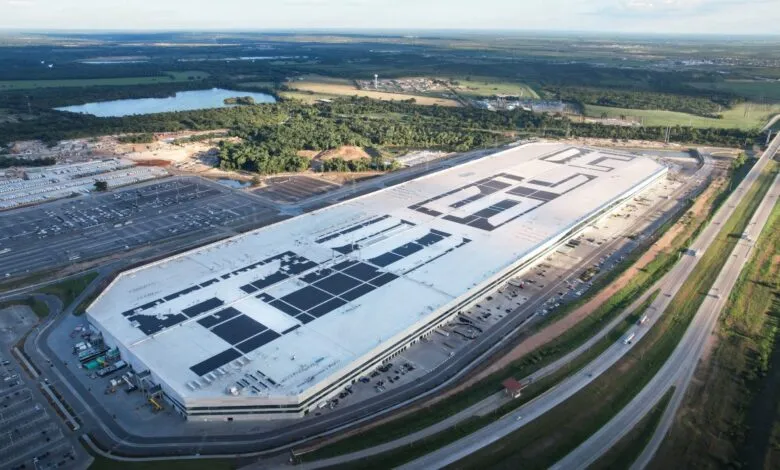
The specific departments or teams most impacted by the Texas factory job cuts remain unclear. The Austin facility, which began operations in 2022, has rapidly become one of the region’s largest employers. CEO Elon Musk relocated Tesla’s corporate headquarters to Texas in 2021, ahead of the factory’s opening, cementing the state’s central role in the company’s operations. To date, Tesla has invested over $6.3 billion into the sprawling Gigafactory Texas complex, making the recent downsizing a notable shift for a site representing such a major capital commitment.
This localized reduction aligns with a period of adjustment for the electric vehicle maker, which has faced declining sales for two consecutive years. The strategic pullback in Texas, even amid overall corporate growth, suggests a targeted operational recalibration rather than a blanket hiring freeze. The move highlights the complex dynamics automakers face as they balance ambitious expansion with the immediate pressures of fluctuating consumer demand and competitive market forces.
(Source: TechCrunch)