Is Tilly Norwood the Rising AI Star an Existential Threat to Actors in Hollywood?
▼ Summary
– Tilly Norwood is an AI-generated actress whose emergence is causing significant debate in Hollywood about the role of AI in acting.
– Talent agents are competing to sign her, while major studios are quietly adopting AI, raising concerns among human actors.
– Actors and the SAG-AFTRA union view AI as an existential threat, devaluing human art and potentially replacing performers.
– Creator Eline Van der Velden argues AI is a tool to enhance creativity, reduce costs, and enable new possibilities without replacing humans.
– The controversy highlights a broader ethical and economic conflict over technology’s impact on human talent and artistic value in film.
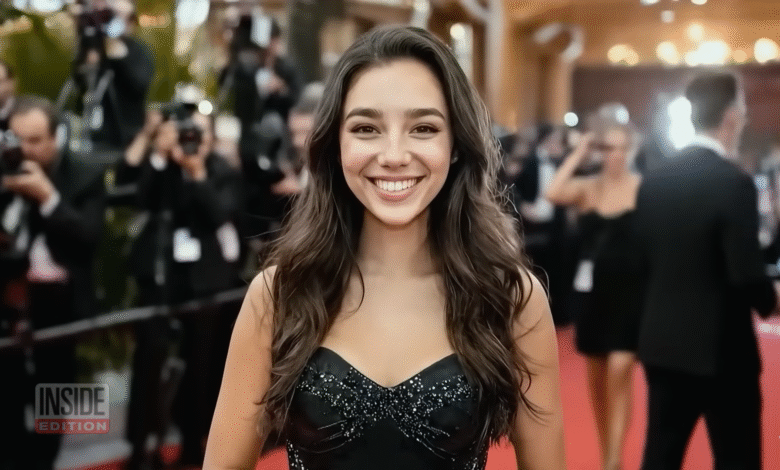
The question hanging over Tinseltown is simple yet profound: What is the true role of an AI-generated actress, and does she represent merely a technical experiment or a harbinger of deep professional upheaval? This is the debate currently echoing through Hollywood corridors following the controversy surrounding Tilly Norwood. Norwood is an entirely digital face, yet her presence is compelling enough to entice Hollywood production companies to consider her as an alternative to A-list stars. This phenomenon is far beyond a simple tech gimmick; it is a turning point that could redefine the very essence of performance.
The Clash Over Artistic Value and Agent Interest
Reactions to Norwood’s emergence have been swift and intensely polarized. This current firestorm ignited after Hollywood news outlets reported that several talent agents were vying to sign Norwood, the creation of actor and entrepreneur Eline Van der Velden. The report also highlighted that major movie studios are quietly embracing AI in filmmaking behind the scenes, fueling actor anxieties.
On one side, industry observers view Norwood and her peers as a bold test of generative AI in the visual arts, seeing it as an inevitable step in the evolution of storytelling. For these proponents, AI offers unprecedented efficiency and the promise of visual perfection.
Standing firmly on the opposite side are human actors, organized and vocal, who see this technology as a clear existential threat to actors and their professional future. This perceived threat is not limited to supporting roles; it includes the ability to simulate stardom cheaply, without the complexities of human contracts. A-list stars quickly voiced their dissent, with actress Emily Blunt famously stating that the development was “really, really scary.”
The powerful SAG-AFTRA union, representing thousands of performers, wasted no time in making its stance clear. The union labeled the practice a “theft of artists’ effort” and a fundamental devaluation of art that relies on human soul and emotional experience. For the union, this is a calculated reduction in the value of human art in favor of cheap economic efficiency.
The Creator’s View: Tool, Not Replacement
Amidst this tension, Tilly’s Dutch creator, Eline Van der Velden, offers a different perspective. Velden rejects the notion that AI was designed to displace performers. On the contrary, she insists that AI is not a replacement for humans but a powerful enhancer of their capabilities.
The character herself maintains a prolific digital presence, posting on Instagram like any other Gen Z influencer, sharing everything from images of her drinking coffee to preparing for “screen tests,” blurring the line between digital creation and reality.
For Velden, Tilly represents one of the new creative tools that open up vast possibilities previously unavailable to directors and producers. These tools can drastically cut colossal budgets and enable the creation of perfect characters who never fall ill or retire. Velden argues that AI unlocks creativity, rather than restricting it. Her vision suggests a collaborative future where AI manages the logistical heavy lifting, allowing human creatives to focus entirely on narrative depth and artistic quality.
The Future: Adoption Versus Defense
What Hollywood faces today is the age-old question of technology’s role in transforming creative industries. The debate boils down to an ethical and economic standoff: Will the rush to embrace models like Tilly Norwood erode human talent, or will it force the industry to elevate its standards and focus on the raw emotional experiences that machines simply cannot replicate?
Ultimately, the future of human art in cinema rests on the balance found between the rising power of technology and the vital need to protect the intrinsic value of human performance. This debate is more than just an artistic or technical disagreement; it is a cultural battle to determine if we will allow the machine to take over roles that are inherently human, a question that will require transparent discussion and strict regulatory frameworks.
Video Insight: For further discussion on this unfolding controversy, watch this report from CNN: