Robot Lawn Mowers Have Improved Significantly
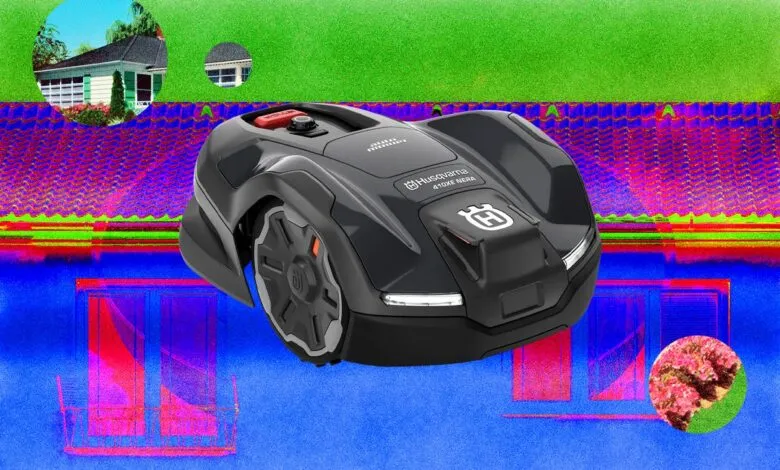
▼ Summary
– Robot mowers have become more affordable for consumers.
– These devices are now highly effective at lawn maintenance.
– Their increased accessibility makes achieving a pristine lawn easier than before.
– This represents a technological advancement in home gardening tools.
– The development marks a shift in how lawn care can be managed.
The technology behind automated lawn care has advanced dramatically in recent years. What was once a niche luxury has transformed into a practical and increasingly common tool for homeowners. These devices now offer a level of reliability and intelligence that makes them a compelling alternative to traditional push mowers.
Modern robotic lawn mowers are far more capable than their predecessors. They navigate complex yard layouts with impressive precision, using a combination of boundary wires and sophisticated sensors to avoid obstacles like trees, garden beds, and patio furniture. This enhanced autonomous navigation means you can set a schedule and essentially forget about the chore of mowing, returning to a consistently trimmed lawn.
A key improvement is in battery life and efficiency. Newer models can cover larger areas on a single charge and are designed to return to their docking stations autonomously when they need power. This continuous, quiet operation allows them to cut a little bit each day, which is healthier for the grass than a weekly heavy cut. The result is a lusher, greener turf that suffers less stress.
Manufacturers have also focused heavily on safety features. Today’s units are equipped with lift and tilt sensors that immediately stop the blades if the mower is picked up. The cutting blades themselves are typically small and discreet, designed to retract upon contact, which significantly reduces the risk of injury compared to traditional mowers.
For those concerned about setup, the process has been streamlined. While installing a perimeter wire is still common, newer systems offer more intuitive installation guides and some are experimenting with wire-free navigation using GPS and advanced mapping. Smartphone integration is now standard, allowing for remote control, scheduling adjustments, and receiving maintenance alerts directly to your phone.
The overall value proposition has shifted. The initial investment, while still notable, is balanced by the convenience of reclaimed time and the professional-grade lawn health these systems promote. As the technology continues to mature, the gap between robotic assistance and manual labor grows ever wider, making a perfectly manicured lawn an automated reality.
(Source: Wired)