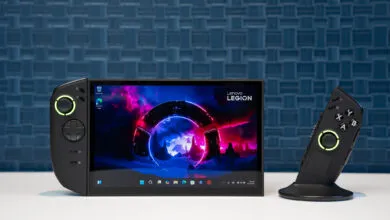
High RAM Costs Threaten Compact Gaming PCs
▼ Summary
– Lenovo’s gaming handhelds and tablets are experiencing poor sales performance.
– Several other smaller handheld gaming devices are also struggling in the market.
– The article attributes this market decline to the influence of artificial intelligence.
– The rise of AI is shifting consumer and industry focus away from these traditional gaming hardware categories.
– This trend is creating a challenging environment for non-AI-centric portable devices.
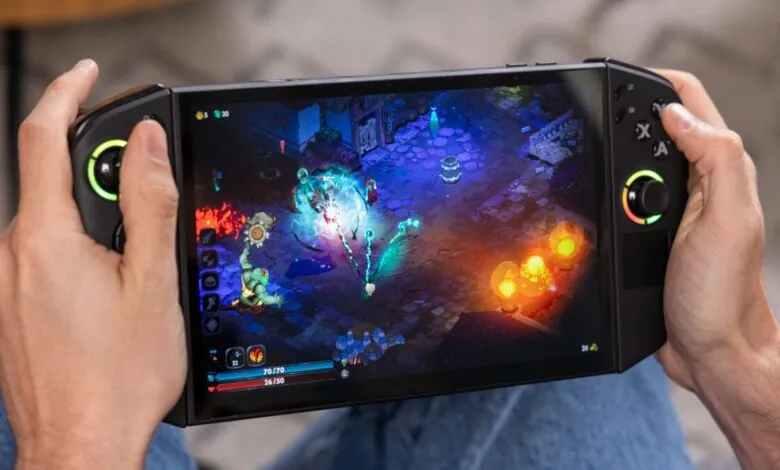
The rising price of memory is creating a significant challenge for manufacturers of portable gaming systems. This trend is particularly impacting the development of compact devices like gaming handhelds and tablets, where space and power budgets are extremely tight. Industry reports indicate that companies, including Lenovo with its Legion Go and similar products, are facing mounting pressure on their bottom lines. The primary driver behind this cost surge is the intense global demand for high-performance memory modules, which are now being voraciously consumed by the artificial intelligence sector. Data centers and server farms building large language models and other AI infrastructure require vast quantities of RAM, diverting supply and inflating prices across the entire market. For smaller form-factor PCs, which cannot easily compromise on memory capacity or speed without harming performance, these increased costs directly threaten product viability and consumer affordability.
(Source: Gizmodo.com)