Retractable Studded Tires Reduce Road Wear and Noise
▼ Summary
– Studded snow tires provide exceptional traction in severe winter conditions but are often restricted by law and can be noisy and damaging to roads.
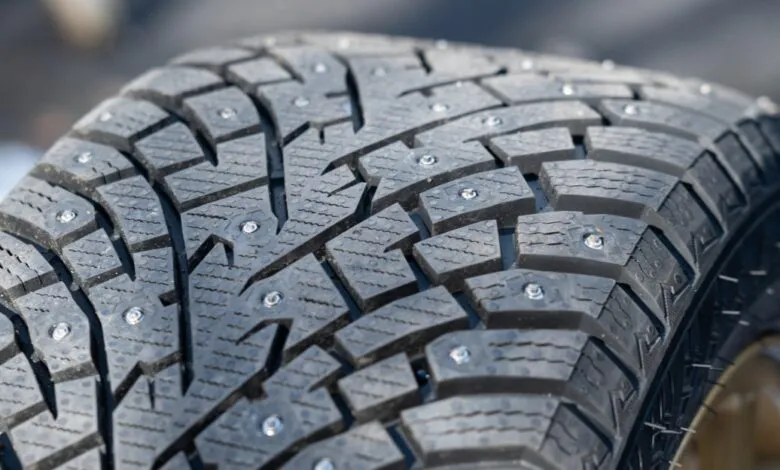
– Nokian’s new Hakkapeliitta 01 tires feature retractable studs that pull into the tread on dry roads to reduce noise and road wear.
– The studs retract due to heat generated from friction on dry pavement, not ambient temperature, and extend on cold, icy surfaces.
– Testing showed the Hakkapeliitta 01 tires are significantly quieter than previous studded models and offer improved grip on wet roads.
– These advanced tires are expected to be more expensive than standard unstudded winter tires, presenting a cost versus benefit consideration.
For drivers facing severe winter conditions, studded snow tires have long represented the ultimate in traction and confidence. However, their traditional drawbacks are significant: excessive noise, accelerated road wear, and the release of harmful particulate matter. A new innovation from Nokian Tyres aims to address these very issues with a clever engineering solution. The Hakkapeliitta 01 features retractable studs that promise to maintain legendary ice grip while dramatically reducing the negative side effects on dry pavement.
The Finnish tiremaker, which shares a corporate ancestry with the telecommunications giant Nokia, has been refining its Hakkapeliitta line for nine decades. This latest model represents a fundamental departure from incremental updates. Past generations, while offering phenomenal grip, were notoriously loud, producing a distinct popping and roaring sound that became a hallmark of winter driving. For its electric vehicle tires, Nokian used foam liners to dampen noise. The approach for the Hakkapeliitta 01 is completely different, focusing on the stud mechanism itself.
The core technology is an adaptive base beneath each tungsten carbide stud. This material is designed to respond to heat generated by friction. When driving on dry roads, the repeated contact between stud and asphalt warms the base, causing it to soften and allow the stud to retract into the tread block. On ice or snow, the colder temperatures keep the base firm, locking the stud in its extended, gripping position. Critically, the system operates based on driving surface temperature, not ambient air temperature. This means studs can retract on a cold, dry highway and remain deployed on a slightly warmer icy back road.
The benefits are twofold. First, noise reduction is immediately noticeable. While not completely silent, the characteristic popcorn-like crackle is greatly diminished, becoming a background murmur only if consciously listened for. Second, and perhaps more impactful, is the reduction in road wear and particulate emissions. By retracting on dry asphalt, the studs spend less time grinding away at the pavement. Nokian claims a 30 percent reduction in road wear compared to a conventional studded tire. This also means far less airborne particulate matter, a significant contributor to respiratory health issues that has led some regions to ban studded tires entirely.
In practical testing, the technology performs as advertised. Comparing a cold tire to one warmed indoors reveals a clear difference in stud resistance. On the road, the improvement over previous Hakkapeliitta models is tangible, with a quieter cabin and a more secure feel on wet pavement. While premium winter tires from other brands cost considerably less, the Hakkapeliitta 01 offers a compelling proposition for those who prioritize maximum ice performance but are concerned about noise and environmental impact. The final price is yet to be set, but for drivers who face a mix of severe ice and dry winter roads, this innovative tire could finally bridge a longstanding gap.
(Source: The Verge)