Apple Engineers Surprised by Their Own Historic Product
▼ Summary
– Apple executives, observing competitors’ music phones, questioned the iPod’s future despite its massive sales growth, leading to a pivotal decision to create its own device.
– Developing the iPhone required unprecedented engineering complexity, with teams working intensely to integrate components and refine a functional touchscreen interface.
– Early prototypes that combined an iPod’s click wheel with phone capabilities failed because the design hindered basic functions like texting and dialing.
– The iPhone’s launch was a surprise success, as even its creators did not anticipate it becoming a ubiquitous product that would reshape culture and spawn an entire ecosystem.
– Apple now faces a new critical juncture with AI, needing to innovate beyond the iPhone’s established design to stay competitive in the evolving tech landscape.
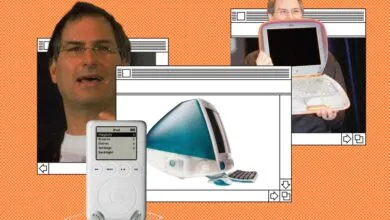
Apple stood at a pivotal juncture, facing a market where consumers were expected to carry only one primary device. Former executive Tony Fadell, who co-created the iPod, recalls the internal debate: would people choose a cell phone with music, or an Apple product combining music and communications? As competitors like Motorola and Samsung released phones with integrated MP3 players, Apple’s leadership questioned whether the iconic iPod’s dominance was ending. This uncertainty forced a historic choice, one that would define the company’s future: to deliberately make its most successful product obsolete by creating something entirely new.
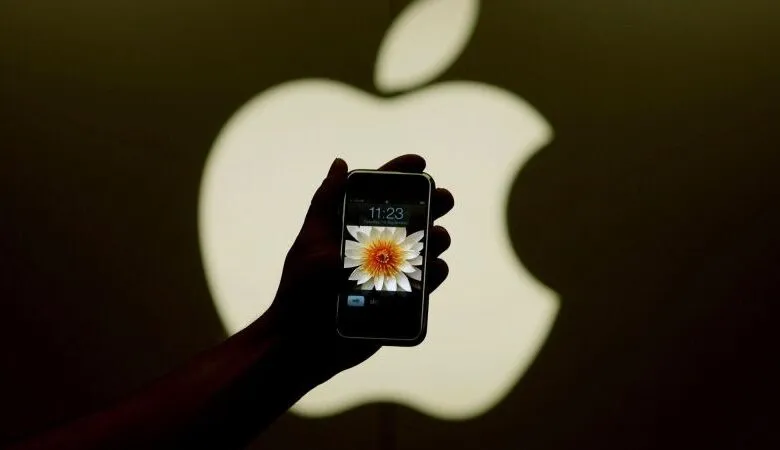
The iPod’s staggering success was undeniable. By April 2004, its sales had eclipsed the Mac, growing over 900% from the previous year. Yet, the team embarked on developing its replacement. The result was the iPhone, a project of unprecedented complexity. Fadell notes the company had never engineered a product with so many interdependent components. Rubén Caballero, Apple’s vice president of engineering at the time, remembers the intense, years-long effort, often sleeping under his desk during the grueling development cycle leading to the 2007 launch.
A central challenge was the revolutionary touch screen interface. While the technology existed, Apple’s innovation was refining it into a seamless, intuitive experience that would convince users to abandon physical keyboards and click wheels. Hundreds of engineers focused on minute details, from screen lamination to moisture rejection, to achieve the necessary responsiveness. Early prototypes, resembling an iPod with calling capabilities and even a click wheel, proved unworkable. Fadell explains those attempts failed because the wheel interface couldn’t handle texting or dialing effectively.
The software presented a parallel mountain to climb. Every application had to be completely rewritten for the new multi-touch paradigm, creating a fragile and unstable foundation. Andy Grignon, a former senior manager on the project, described the constant instability, where crashes were frequent and perplexing. This period was a relentless grind, a culture forged by the annual pressure to launch new iPod models for the holiday season, which set a precedent for the iPhone’s development tempo.
Despite the clear consumer shift toward devices like the BlackBerry and T-Mobile Sidekick, which offered email and web browsing, entering the mobile phone market was a formidable gamble. Nokia and Motorola were giants, carriers wielded immense power, and the iPhone’s $500 price tag was exorbitant. Internally, Grignon admits the device was viewed as a potential higher-tier luxury product. The team was genuinely surprised by the overwhelming market reaction to the first model. None had predicted it would become the cultural and commercial juggernaut it is today.
The iPhone’s impact is now immeasurable. With over 2.5 billion Apple devices in active use globally, it has fundamentally reshaped modern life. Its success created an entire ecosystem, enabling products like the Apple Watch and AirPods. Caballero believes it is the device that will define Apple’s long-term legacy, a singular moment in technological history. Fadell observes that the core design’s endurance for nearly two decades is a testament to its initial revolutionary success.
Now, the industry faces another existential moment driven by artificial intelligence. Apple is perceived to be trailing leaders like Google and OpenAI, companies with which it has formed partnerships. Fadell argues that Apple’s future hinges on its ability to revolutionize once more, requiring a different strategic mindset than the one that sustained it over the past 15 years. The company must again think differently to navigate the next technological transformation.
(Source: CNN)