How to Choose Sustainable Electronics
▼ Summary
– The best way to minimize the environmental impact of electronics is to avoid buying new devices and to repair existing ones to extend their lifespan.
– Keeping a smartphone for longer periods drastically reduces its carbon footprint, such as an iPhone 11’s footprint dropping from 52.5 kg over two years to 10.5 kg over a decade.
– Buying used or refurbished electronics is a more environmentally friendly alternative to buying new, as it gives devices more life and prevents landfill waste.
– It is difficult to find fully ethical electronics, but consumers can research manufacturers’ policies on workers’ rights, carbon emissions, and eco-friendly material sourcing.
– Repairing devices is becoming easier due to right-to-repair enforcement and manufacturer support, with resources like iFixit providing guides and tools.
The desire for the latest technology often clashes with the reality of its environmental and social footprint. Navigating the complex issues of manufacturing emissions, labor practices, and electronic waste can make buying a new device feel fraught. While no perfect solution exists, consumers can adopt several strategies to make more responsible choices and reduce the negative impact of their electronics.
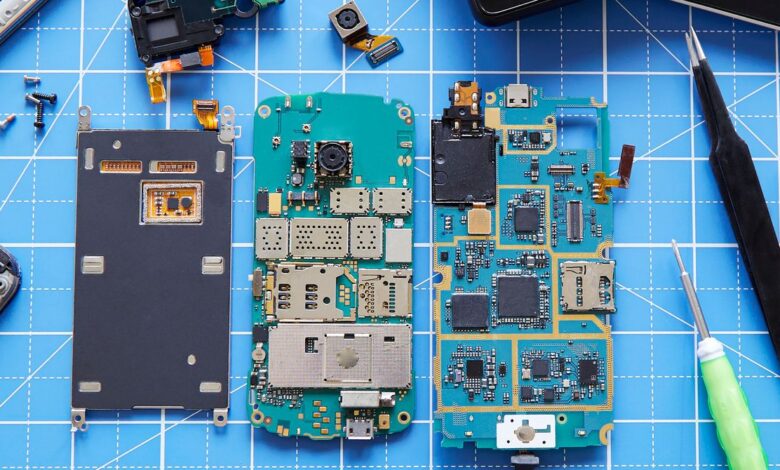
Extending the life of your current devices is the single most effective action you can take. Every new product carries a hidden cost in resources, energy for production and shipping, and eventual disposal. The majority of a device’s environmental impact is locked in during manufacturing. Research supports that extending product lifespan dramatically lowers its carbon footprint. For instance, using a smartphone for several additional years can reduce its associated emissions by a significant margin. The movement toward right to repair is making longevity more achievable, with companies gradually offering more guides and parts. Resources like iFixit provide invaluable repairability scores and detailed tutorials, and some local libraries even loan out professional toolkits for DIY fixes.
When a device is truly beyond repair, or you need a type of gadget you don’t already own, purchasing refurbished electronics is a strong alternative. Acquiring a pre-owned item prevents functional technology from entering the waste stream and avoids the environmental toll of new manufacturing. Official refurbishment programs from major brands offer devices in like-new condition with warranties, while other retailers provide certified renewed options. For greater savings, buying used from private sellers or dealers is possible, though it requires more diligence to avoid potential issues.
If buying new is unavoidable, conducting thorough research on the manufacturer is essential. The global supply chain for electronics involves materials and labor from many regions, some with poor records on workers’ rights and environmental stewardship. Scrutinize companies based on the issues you prioritize most. Look for transparent reporting on supply chain ethics and clear, science-based targets for reducing carbon emissions. Evaluate whether a brand is actively phasing out hazardous chemicals and responsibly sourcing conflict-free minerals. Corporate transparency on taxation and political lobbying can also be important indicators of overall ethical commitment.
(Source: Wired)