TCL QM9K TV Review: A Flagship TV, But Is It Right For You?
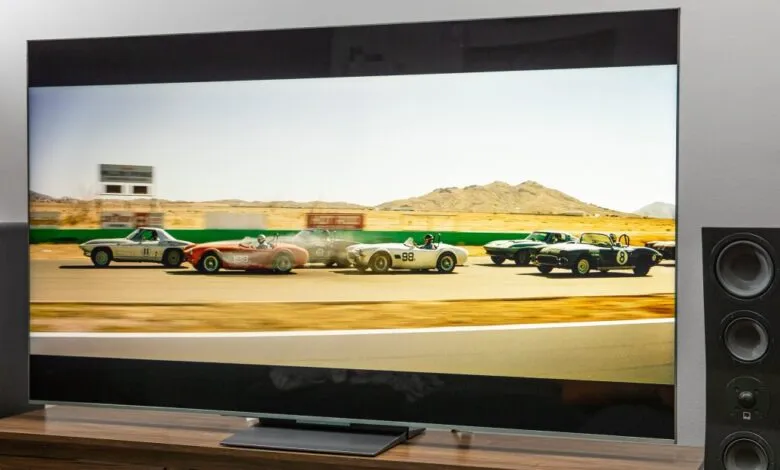
▼ Summary
– TCL’s new flagship QM9K TV is positioned to compete with high-end models like Sony’s Bravia 9, featuring claimed brightness up to 6,500 nits and being the first TV with Google Gemini.
– The QM9K is remarkably similar to the cheaper QM8K model, sharing core features like the processor, refresh rate, and design, with the main difference being its significantly higher measured brightness.
– In testing, the QM9K delivered exceptional brightness and black level performance for an LED TV, making it excellent for bright rooms, though it exhibited minor motion handling issues and screen tearing.
– The reviewer questions the value of the QM9K over the QM8K, as the extra brightness exceeds current content mastering standards and key features like Gemini will come to the cheaper model.
– The article concludes that while the QM9K is a bold flagship, the QM8K offers better value, making it the “Ultimate Choice” for most buyers.
For years, TCL has established itself as a major player in the mid-range television market, often competing directly with brands like Hisense. Both companies offer feature-rich models with similar naming conventions. However, with the launch of its new flagship QM9K model, TCL is clearly aiming for a different tier, setting its sights on competing with premium offerings from established leaders like Sony. This model represents the pinnacle of TCL’s current technology, but the question remains whether its performance justifies the investment for the average viewer.
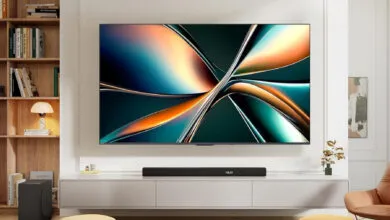
Part of TCL’s new Ultimate Series, the QM9K is marketed as the brand’s best television ever. It arrives in four screen sizes and boasts an impressive list of features. It was the first TV to launch with integrated Google Gemini assistant, includes a presence sensor for ambient art modes, and TCL claims a staggering peak brightness capability. Yet, a closer look reveals it shares a tremendous amount with its slightly less expensive sibling, the QM8K. Both models share the same high native refresh rate, utilize advanced panel technology for wider viewing angles, and run the same smart TV platform. They even share an identical design philosophy and remote control. The core differences boil down to the backlight system and a few exclusive features on the 9K.
Evaluating televisions involves a comprehensive process. Testing occurs in a real-world living room environment using a variety of content sources, from streaming apps and 4K Blu-ray players to modern gaming consoles. The goal is to assess performance under different lighting conditions, from bright daylight to pitch darkness. Measurements are taken using professional calibration equipment, but the focus remains on how the TV performs straight out of the box with only minor, user-accessible adjustments. This approach provides a realistic picture of what most buyers will experience.
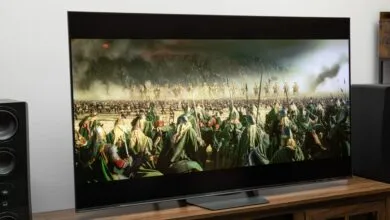
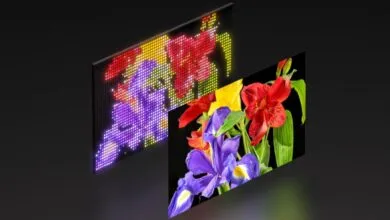
So, what earns the QM9K its “Ultimate Performance” title? The most significant factor is its extraordinary brightness. In accurate picture modes, it measured nearly 2,200 nits brighter than the QM8K, coming remarkably close to its advertised spec. This immense light output makes it exceptionally capable in bright rooms and allows for stunning specular highlights in HDR content, like stars or explosions against a dark sky. Furthermore, improvements to TCL’s mini-LED backlight control for 2025 have significantly reduced unwanted light blooming, delivering black levels that are exceptional for a non-OLED television.
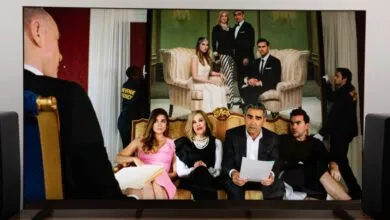
However, this backlight system isn’t perfect. The attractive zero-border design, which makes the image appear to float, introduces slight vignetting. This causes the very edges of the screen to appear marginally darker in certain full-screen bright scenes. Out-of-the-box color accuracy is excellent, with natural skin tones and vibrant, realistic colors in both standard and high dynamic range content. Yet, some processing issues emerged during testing. Fast motion in certain films exhibited occasional judder, requiring motion smoothing to correct, and some screen tearing was noticed during high-speed gaming, an issue not present on the QM8K.
This leads to the central dilemma. The TCL QM9K is a fantastic television with a breathtakingly bright and generally beautiful picture. Most buyers would be thrilled with its performance. However, its value proposition becomes murky when compared directly to the QM8K. The extra brightness, while impressive, surpasses the mastering limits of virtually all current film and television content. The exclusive features, like the presence sensor, are neat but not essential, and the QM8K is slated to receive the Gemini update. Given that the QM8K is hundreds of dollars less expensive while offering nearly identical performance for the vast majority of viewing, it emerges as the more rational choice. The QM9K is a bold statement from TCL, but its sibling model offers a better balance of premium performance and sensible value.
(Source: The Verge)