Windows 11 Aims to Be the Ultimate Gaming OS

▼ Summary
– Microsoft is committing to significant Windows 11 updates to optimize it for gaming, focusing on background workload management, power scheduling, graphics, and drivers.
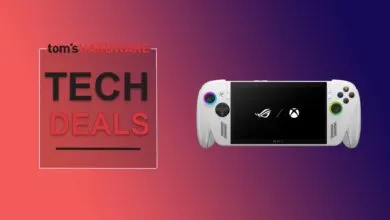
– The company expanded its gaming hardware with the Asus ROG Ally handhelds and improved the Windows gaming experience on Arm devices through the Xbox app and Prism emulator.
– Microsoft will expand the Xbox Full Screen Experience (FSE), a controller-first interface that consolidates game libraries and improves performance, to Windows PCs in 2025.
– Auto Super Resolution, a feature for sharper visuals and smoother framerates, will be expanded to handhelds like the ROG Ally X, starting with a preview next year.
– Advanced Shader Delivery (ASD) will expand to more devices to preload shaders, and Microsoft will detail further gaming optimizations at the Game Developers Conference in March 2026.
Microsoft is doubling down on its commitment to gamers with a series of planned updates for Windows 11, aiming to solidify its position as the premier operating system for PC gaming. The company has outlined a roadmap of enhancements focused on performance, compatibility, and user experience, directly addressing the needs of the gaming community. These improvements are part of a broader strategy to refine system behaviors critical to play, such as background workload management, power efficiency, scheduling, graphics stack optimizations, and driver updates.
This initiative builds on a year of significant gaming-focused developments. The collaboration with Asus resulted in the ROG Ally and Ally X handheld consoles, which introduced exclusive features like the Xbox Full Screen Experience (FSE) and Advanced Shader Delivery (ASD). Furthermore, Microsoft enhanced gaming on Arm-based devices by enabling local game installs via the Xbox app, improving the Prism emulator for better compatibility and performance, and delivering native anti-cheat solutions.
Looking ahead to next year, a major expansion is planned for the Xbox Full Screen Experience. Microsoft will bring this controller-first interface to a wider range of Windows PCs, including desktops, laptops, and 2-in-1 devices. Currently in a preview phase accessible through Windows and Xbox Insider programs, FSE is designed to launch games faster with fewer distractions. It consolidates game libraries from multiple storefronts, such as the Microsoft Store, Steam, Epic Games Store, and Battle.net, into a single, unified hub. Users can also expect a performance uplift, as booting directly into FSE instead of the standard Windows desktop reduces overall RAM usage.
Another key technology set for a broader rollout is Auto Super Resolution (Auto SR). First introduced on Copilot+ PCs powered by Snapdragon X processors, this feature aims to deliver sharper visuals and smoother frame rates in DirectX games running at lower native resolutions. The expansion will begin with a preview for the ROG Ally X handheld, signaling Microsoft’s focus on enhancing the portable gaming experience.
The Advanced Shader Delivery system is also slated to reach more Windows 11 devices. ASD preloads game shaders during the download and installation process, which means supported games can launch faster, run more smoothly from the start, and consume less battery power during initial play sessions. This addresses a common point of friction for gamers dealing with stutter as shaders compile in real-time.
Microsoft has confirmed it will continue refining the core system behaviors that impact gaming performance the most. The company plans to share more detailed technical information on these ongoing efforts at the Game Developers Conference scheduled for March of next year.
(Source: Tom’s Hardware)