Apple’s New Design Era: Why Even Liquid Glass Fans Are Excited
▼ Summary
– Alan Dye’s departure from Apple to Meta was anticipated by many as a major loss, but it was instead met with widespread relief within the Apple community.
– Dye faced significant criticism for a perceived lack of attention to detail, exemplified by typographical errors in his departure announcement and controversial UI design choices.
– The controversial Liquid Glass UI design was not solely Dye’s responsibility, as it required high-level approval, but he was blamed for poor usability decisions and hidden interface elements.
– Stephen Lemay, Dye’s replacement, is highly regarded within Apple for his long-standing design contributions, collaborative focus, and lack of political maneuvering.
– Lemay’s promotion has generated optimism for Apple’s design future, with hopes he will address recent software issues and establish a clear new vision.
The recent leadership change at Apple’s Human Interface Design team has sparked a wave of optimism, even among those who have embraced the company’s latest visual overhaul. While the departure of former VP Alan Dye to Meta was framed by some outlets as a significant loss, the prevailing sentiment within Apple and among many observers is one of relief and anticipation for a new chapter. This shift points toward a potential refocus on the meticulous detail and intuitive usability that have long been hallmarks of the Apple experience.
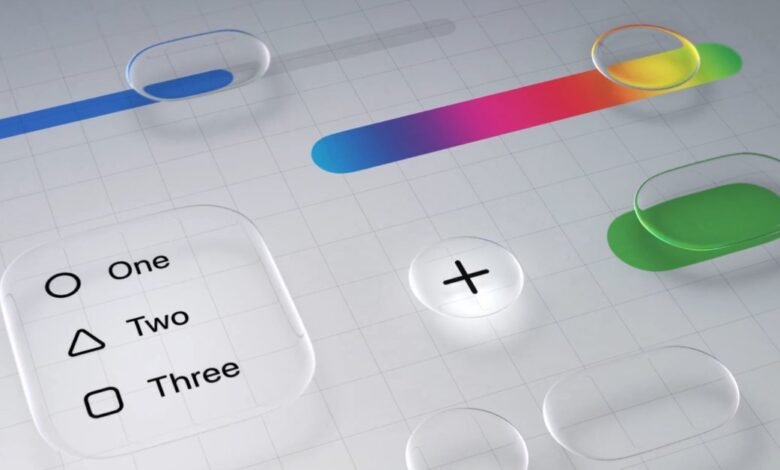
Alan Dye’s exit, announced via a social media post that many found tone-deaf, did not land as the bombshell some expected. The post, which featured a Steve Jobs quote to mark a move to Meta, was criticized for its poor typography and perceived inappropriateness. For critics, this lack of attention to visual detail was emblematic of broader issues during his tenure. While the controversial Liquid Glass design language itself wasn’t necessarily the core problem, it had high-level approval and its proponents, many pointed to a pattern of questionable usability choices under Dye’s leadership. Key interface elements were often buried behind ambiguous menus, a decision that frustrated users and seemed to ignore fundamental principles of clear design.
Internally, the reaction to Dye’s departure has been reportedly positive. The promotion of Stephen Lemay to head of Human Interface Design has been met with enthusiasm from the team. Lemay, a veteran who has worked on Apple interfaces since 1999, is described not as a political figure but as a deeply focused craftsman. His long-standing reputation is for setting a high bar for excellence and fostering a collaborative environment. As one long-time direct report stated, the promotion signals an exciting new era, suggesting strong internal support for the leadership change.
This transition offers a clear opportunity. The immediate task will involve refining the current software experience, addressing the lingering usability hiccups and inconsistencies that have drawn criticism. Looking further ahead, the design community is keen to see Lemay’s own vision unfold. With a leader known for a detail-oriented approach and a team reportedly rallying behind him, there is genuine hope for a return to the thoughtful, user-centric design philosophy that defined Apple’s most beloved products. The future of Apple’s interface now rests in the hands of a seasoned insider, promising a renewed focus on the fundamentals that made the company’s software feel magical in the first place.
(Source: 9to5Mac)