Linux GPIB Drivers Finally Stable After 53-Year Wait
▼ Summary
– Michael Larabel is the founder and principal author of Phoronix.com, a site launched in 2004 focused on improving the Linux hardware experience.
– He has authored over 20,000 articles on topics including Linux hardware support, performance, and graphics drivers.
– Larabel is the lead developer of the Phoronix Test Suite, an automated benchmarking software.
– He also leads development for the related Phoromatic and OpenBenchmarking.org platforms.
– He is available for contact through his personal website and can be followed on social media platforms like Twitter and LinkedIn.
The long and often challenging journey toward stable General Purpose Interface Bus (GPIB) support within the Linux kernel has reached a significant milestone. After decades of fragmented development and community effort, a reliable driver framework is now available, marking the end of a lengthy wait for engineers and researchers who depend on this critical instrumentation standard.
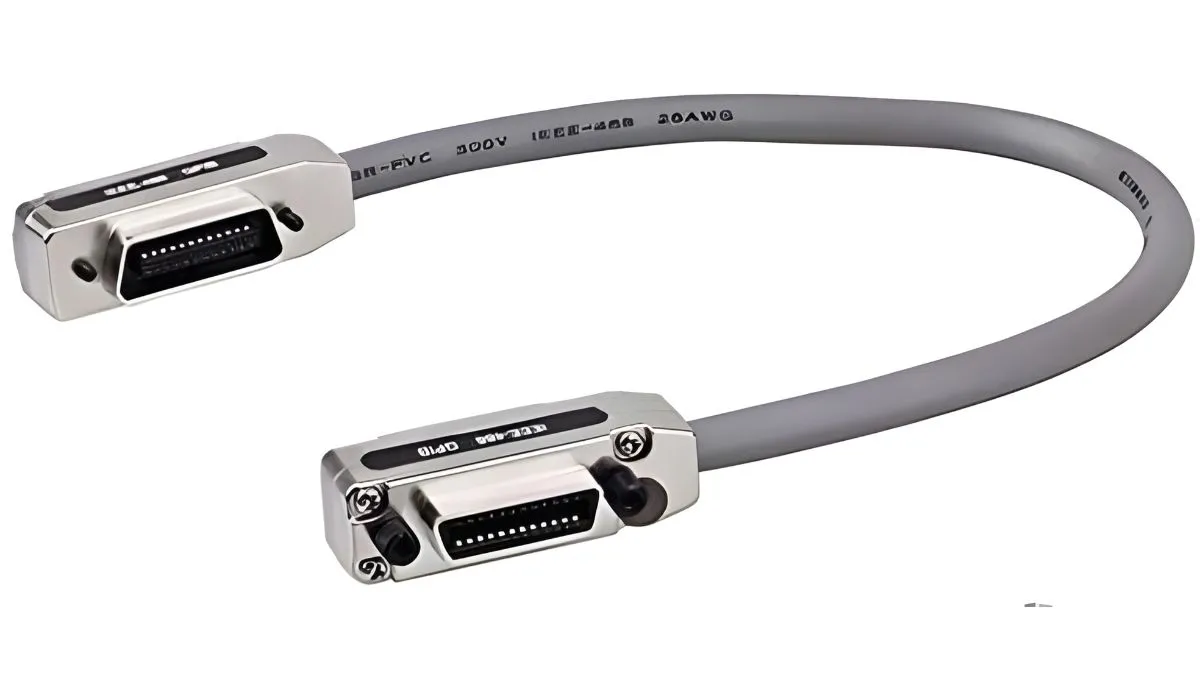
GPIB, also known as IEEE-488, is a digital communications bus system developed in the late 1960s. It became the industry standard for connecting test and measurement equipment like oscilloscopes, multimeters, and signal generators to computers. For over half a century, this interface has been a cornerstone in laboratories, manufacturing facilities, and development environments worldwide. Despite its age and the rise of newer standards like USB and Ethernet, a vast installed base of expensive, specialized equipment ensures GPIB remains essential in many technical fields.
The path to stable Linux drivers was neither short nor straightforward. Early support was scattered, often consisting of outdated or unmaintained kernel modules that required significant manual patching and compilation. Users frequently encountered compatibility issues, unreliable operation, and a lack of support for modern kernel features. This fragmented state created a major barrier for laboratories and institutions seeking to adopt or standardize on Linux for their data acquisition and instrument control systems.
The turning point came from a concerted, community-driven effort to consolidate and modernize the codebase. Developers worked to unify the disparate driver efforts, cleaning up the kernel code and ensuring proper integration with the kernel’s driver model. This involved rigorous testing across a wide range of hardware from different manufacturers, addressing long-standing bugs, and implementing support for contemporary kernel APIs. The result is a mainlined, stable driver set that is actively maintained as part of the standard Linux kernel releases.
This development carries substantial practical implications. Laboratories can now deploy modern Linux distributions with confidence, knowing their legacy GPIB-controlled instruments will function reliably. It eliminates the need for complex workarounds or the maintenance of outdated, custom-kernel patches, reducing system administration overhead and enhancing overall operational stability. For developers creating scientific software, the stable driver API provides a consistent foundation for building applications in languages like Python, C, and LabVIEW, streamlining the development of automated test suites and data logging systems.
While newer interface technologies continue to evolve, the stabilization of GPIB support underscores a key strength of the open-source model: its ability to maintain and improve support for legacy systems that remain vital to industry and research. This achievement ensures that valuable hardware investments are protected and can continue to be utilized effectively within modern, secure, and high-performance computing environments. For the scientific and engineering communities reliant on this decades-old standard, the wait has finally proven worthwhile.
(Source: PHORONIX)