First Major Fentanyl Vaccine Trial Begins
▼ Summary
– Fentanyl is an extremely potent, tasteless, and odorless synthetic opioid, where a minuscule amount can cause a fatal overdose, and it is often unknowingly mixed into other drugs.
– Collin Gage co-founded ARMR Sciences to develop a proactive fentanyl vaccine, which is now entering its first human trial to prevent overdose deaths.
– Fentanyl, originally a medical anesthetic, is now cheaply produced and widely found in illicit drugs, making it the leading cause of overdose deaths in the U.S., particularly for adults aged 18 to 45.
– Naloxone (Narcan) is a reactive treatment that reverses opioid overdoses and has contributed to a recent decline in U.S. overdose deaths.
– The proposed vaccine would act as a preventative measure, changing the overdose response paradigm by not requiring individuals to carry treatment with them.
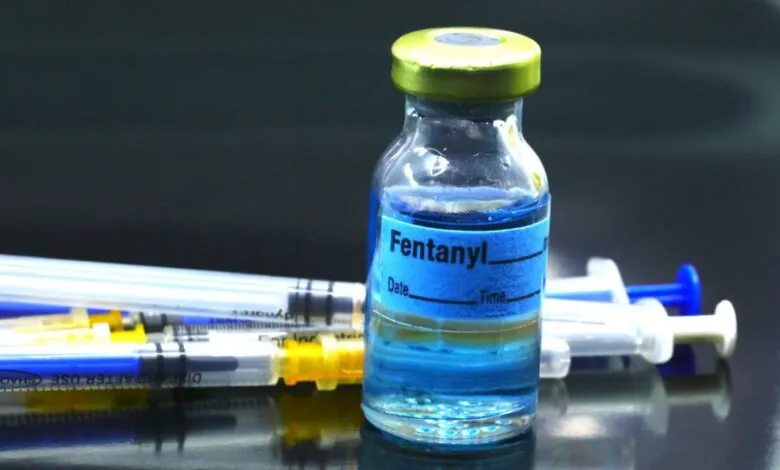
A groundbreaking clinical trial is now underway for a vaccine designed to protect against the lethal effects of fentanyl, a synthetic opioid responsible for tens of thousands of overdose deaths annually. This novel approach aims to shift the strategy from emergency response to proactive prevention, offering a potential new tool in the fight against the ongoing opioid crisis. The vaccine works by training the immune system to produce antibodies that bind to fentanyl molecules in the bloodstream, preventing them from crossing the blood-brain barrier and reaching the brain’s opioid receptors. This mechanism could block the drug’s euphoric and deadly respiratory depressant effects before they even begin.
The initiative is led by ARMR Sciences, a biotechnology company whose CEO, Collin Gage, was driven to act by the reactive nature of existing treatments. Observing that current solutions only address overdoses after they occur, he sought to develop a preventative measure. The company’s name itself reflects this defensive concept, likening the vaccine to a suit of armor against a chemical threat.
Fentanyl’s danger lies in its extreme potency and pervasive presence. It is estimated to be fifty times stronger than heroin and one hundred times more potent than morphine. Originally developed as a powerful pharmaceutical painkiller, its illicit manufacture has made it a common and often undisclosed adulterant in street drugs and counterfeit pills. Users frequently have no idea they are consuming it, and a minuscule amount, comparable to a few grains of sand, can be fatal by suppressing the body’s drive to breathe.
While the opioid overdose reversal agent naloxone (Narcan) has been a lifesaving success, reversing tens of thousands of overdoses, it is an emergency intervention. It must be administered quickly after an overdose begins. A vaccine represents a fundamentally different strategy. It would be administered in advance, providing a sustained period of protection. This could be particularly valuable for individuals in recovery or those at high risk of exposure, creating a biological buffer that reduces the chance of a fatal relapse.
The commencement of human trials marks a critical step from laboratory research to practical application. If successful, this approach could transform the paradigm of overdose prevention, moving beyond crisis response to offering individuals a form of durable protection. It would not replace other vital tools like naloxone or comprehensive addiction treatment, but rather add a new layer of defense in a multifaceted public health effort to curb a devastating epidemic.
(Source: Ars Technica)