Google Pixel 10 Gets AirDrop Thanks to EU Apple Ruling
▼ Summary
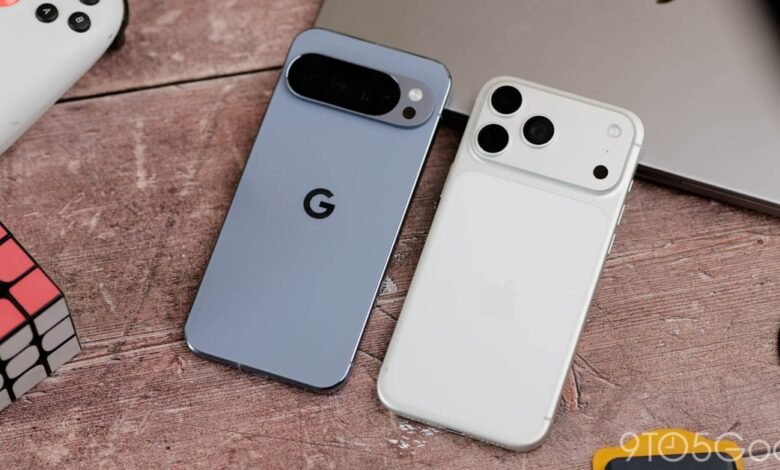
– Google added cross-platform AirDrop support to Pixel 10, enabling secure file and photo sharing with iPhones.
– This change is linked to EU interoperability requirements under the DMA, which forced Apple to adopt open wireless standards.
– Apple had to replace its proprietary protocol with the Wi-Fi Alliance’s Wi-Fi Aware standard for file sharing.
– As a result, Android users now have native AirDrop-like functionality via Quick Share without security compromises.
– Apple still opposes the DMA and may challenge it, so this feature’s future availability is uncertain.
In a surprising development for mobile connectivity, Google has introduced cross-platform AirDrop functionality to its Pixel 10 series, enabling seamless and secure file transfers between the latest Pixel devices and iPhones. This unexpected move appears less like an isolated effort by Google and more a direct consequence of regulatory shifts in Europe, echoing earlier changes such as the iPhone’s adoption of USB-C and RCS messaging.
Many observers initially questioned how Google managed to implement such a feature, recalling past failed attempts like Beeper’s iMessage for Android or Palm’s struggle with iTunes compatibility. However, this situation differs significantly due to recent European Union legislation. According to reports, the EU’s Digital Markets Act interoperability requirements compelled Apple to support open wireless standards, replacing its proprietary system for Continuity features with the Wi-Fi Alliance’s Wi-Fi Aware protocol for multi-directional file sharing.
Although Apple didn’t voluntarily open AirDrop to Android devices, its compliance with DMA regulations made this cross-platform compatibility possible. Consequently, Pixel 10 users, and eventually the broader Android community, can now enjoy what amounts to native AirDrop support through Google’s Quick Share feature, provided their hardware supports Wi-Fi Aware. This maintains security while breaking down previous barriers between operating systems.
Despite this breakthrough, don’t expect Apple to enthusiastically embrace this new interoperability. European regulators are reportedly reconsidering their stringent approach to tech governance, partly due to the region’s limited presence in the AI sector. Meanwhile, Apple continues to advocate for the DMA’s revocation. For now, Pixel 10 owners should take full advantage of this cross-platform capability while it remains available, as the future of such features remains uncertain in the evolving regulatory landscape.
(Source: 9to5 Google)