Valve Built the Console Microsoft Always Wanted

▼ Summary
– Microsoft envisions a future game console that combines console simplicity with PC game libraries and third-party store support.
– Valve’s new Steam Machine appears to have achieved Microsoft’s vision first, beating them to market with this type of product.
– The Vergecast panel discusses whether consumer dissatisfaction might push gamers from Windows to Linux-based systems like SteamOS.
– Joanna Stern’s hands-on experience with the Neo robot revealed it currently requires human control and isn’t ready for autonomous daily tasks.
– The episode’s Lightning Round covers tech news including Amazon’s piracy crackdown, Apple accessories, streaming disputes, and autonomous vehicle developments.
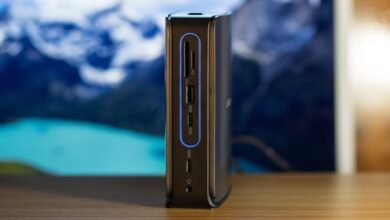
Microsoft has long envisioned a game console that blends the simplicity of a plug-and-play device with the vast library of PC gaming and the freedom of third-party storefronts. Valve appears to have delivered precisely this vision with its new Steam Machine, effectively building the console that Microsoft has only described. This development raises significant questions about the future of Windows as a primary gaming platform and whether consumer loyalty will shift toward Linux-based systems like SteamOS.
In a recent episode of The Vergecast, hosts Nilay Patel, Jake Kastrenakes, and Sean Hollister, alongside guest Joanna Stern, explored Valve’s bold hardware projects and their implications for Microsoft. The conversation delved into whether Windows will remain the dominant operating system for gamers or if a growing dissatisfaction with its direction, coupled with an intense focus on AI, will drive users toward alternative platforms. The emergence of SteamOS serves as a clear indicator of this shifting sentiment.
Joanna Stern also provided insights from her hands-on experience with the Neo robot, featured in her Wall Street Journal report. She described operating the robot herself, noting that its current capabilities fall short of performing everyday tasks with any real agility. A central concern is whether the underlying artificial intelligence can ever reach the necessary level of sophistication, especially since a human operator currently handles the complex decision-making.
The episode wrapped up with a Lightning Round covering several tech headlines. Topics included Amazon’s efforts to curb piracy on Fire TV, Apple’s launch of a $230 designer crossbody sock, the ongoing carriage dispute between YouTube TV and Disney, Apple’s new support for mini applications, Waymo’s expansion onto highways, and the intriguing role of tablets as antagonists in the upcoming Toy Story 5 film.
(Source: The Verge)