Texas Sues Roblox Over Child Safety Failures

▼ Summary
– Texas AG Ken Paxton is suing Roblox for allegedly violating online safety laws and deceiving parents about platform dangers while prioritizing profits over child safety.
– The lawsuit accuses Roblox of deceptive trade practices and creating a common nuisance by enabling child predators to groom and exploit children on its platform.
– Roblox has faced similar legal actions from Louisiana, Kentucky, Florida, and individual families, all citing the platform as a haven for child predators and abuse.
– Roblox responded by disputing the claims, emphasizing its 145 safety measures introduced this year and plans for age verification using IDs and facial scans.
– The platform has over 111 million daily active users, many children, and faces legal challenges despite industry-wide use of Section 230 to limit liability for user actions.
The state of Texas has initiated legal action against the popular online gaming platform Roblox, alleging the company has failed to protect children from sexual predators and engaged in deceptive practices. Texas Attorney General Ken Paxton is spearheading the lawsuit, which accuses Roblox of prioritizing profits over the safety of its young users and creating an environment that serves as a “habitual destination for child predators.”
Filed this week, the lawsuit contends that Roblox misled parents about the effectiveness of its safety features. It describes the platform as a common nuisance where predators routinely engage in grooming and the sexual exploitation of minors. The legal complaint points to specific, disturbing instances where children were allegedly abused by individuals they first encountered on Roblox. It also references the activities of known predator groups, such as one called “764,” which are accused of using the platform to identify, groom, and blackmail young victims into performing sexually explicit acts or harming themselves.
According to the filing, Roblox only began a significant push to improve its parental controls after facing previous lawsuits and a critical report from short-seller Hindenburg Research. That report, released last autumn, characterized the platform’s environment as an “X-rated pedophile hellscape” where children are exposed to grooming, pornography, and extremely abusive content.
Texas is not alone in its legal pursuit. Louisiana filed a similar suit in August, asserting that Roblox fostered an online environment where child predators could thrive. Kentucky followed with its own lawsuit a couple of months later, labeling the platform a “hunting ground for child predators.” Just last month, Florida’s Attorney General issued a subpoena to Roblox over parallel allegations. Beyond state-level actions, numerous individual families and players have also taken the company to court over alleged abuses that mirror the cases detailed in the Texas lawsuit.
In response to the allegations, Eric Porterfield, Senior Director of Policy Communications at Roblox, expressed disappointment. He stated that the Attorney General opted for litigation based on what he called “misrepresentations and sensationalized claims” instead of collaborating on industry-wide solutions. Porterfield highlighted the company’s safety efforts, noting that Roblox has introduced over 145 safety measures on the platform this year alone.
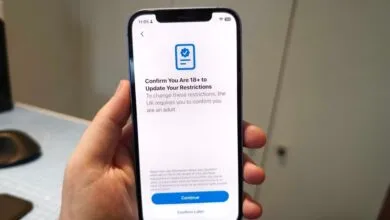
Roblox, which reported having over 111 million daily active users in September, a large portion of whom are children, has recently announced plans to enhance safety through new technologies. These include a system for age verification using official identification and facial scans, alongside an AI tool designed to detect early warning signs of potential child endangerment.
These proposed changes mirror steps taken by other social platforms. Discord, for instance, also began rolling out age verification this year and has been named in related lawsuits, including one involving a 13-year-old from Texas. A significant legal hurdle for these cases is Section 230 of the Communications Decency Act, which has historically shielded social media companies from liability for content posted by their users. This legal protection is a barrier the lawsuit against Roblox, like others before it, will have to confront.
(Source: The Verge)