Blue Ignites Second New Glenn Rocket in Final Pre-Launch Test
▼ Summary
– Blue Origin successfully test-fired the seven BE-4 engines of its New Glenn rocket for 38 seconds at Cape Canaveral Space Force Station in Florida.
– This was the final major test before launch, with a potential launch date as early as November 9, though not officially announced.
– The engines operated at full power for 22 seconds, producing nearly 3.9 million pounds of thrust, and the test simulated landing procedures by shutting down some engines.
– Blue Origin aims to recover the first stage on the next flight after a failed landing in January, with plans to reuse it for a Moon mission early next year.
– After the test, the rocket will be moved to a hangar for inspection and outfitting with a payload fairing containing two NASA spacecraft destined for Mars.
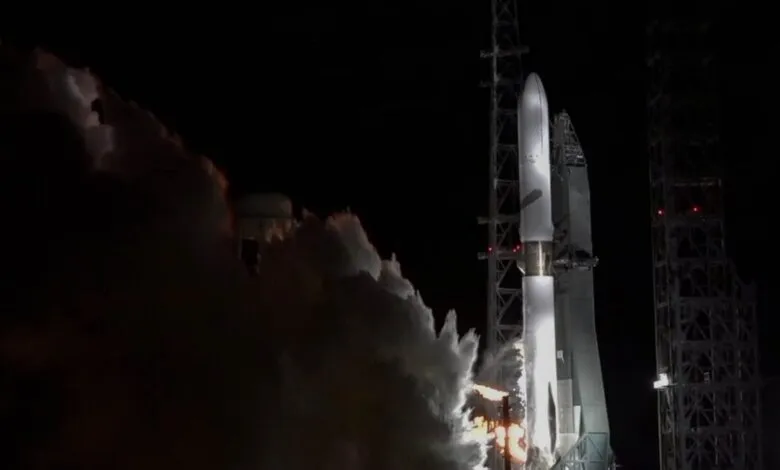
Blue Origin has successfully completed a crucial pre-launch test for its second New Glenn rocket, moving the heavy-lift vehicle closer to its upcoming mission. During a late evening event at Cape Canaveral Space Force Station in Florida, the rocket’s seven BE-4 main engines roared to life. The static fire test saw the engines burn for 38 seconds while the vehicle remained securely anchored to the launch pad, marking the final major milestone before its next flight.
The test-firing, which occurred at 9:59 PM EDT, allowed engineers to verify the integrated performance of the first stage propulsion system. According to the company, the engines ran at their maximum rated power for 22 seconds, producing a combined thrust of nearly 3.9 million pounds. Blue Origin CEO Dave Limp celebrated the achievement on social media, praising the team for successfully executing the extended hotfire test.
A particularly significant aspect of the test involved shutting down some engines during the burn sequence. This maneuver simulated the precise engine operations required for the booster’s landing phase. The company aims to successfully recover the first stage on a downrange drone ship in the Atlantic Ocean during the next mission, a capability it failed to demonstrate on New Glenn’s inaugural flight earlier this year. Understanding the fluid dynamics between active and inactive engine systems during this critical landing burn is vital for achieving a soft touchdown.
With this critical test now complete, the ground team will carefully lower the 320-foot-tall rocket from its vertical position on the pad. It will be transported back to a nearby integration hangar for post-test inspections and final preparations. Technicians will perform a key swap, replacing the current payload fairing with one that houses two NASA science spacecraft destined for Mars.
While an official launch date has not been publicly announced, sources indicate the rocket could be ready for its second flight as soon as early November. The success of the upcoming mission carries significant weight for Blue Origin’s future manifest. Officials plan to reuse this specific first stage booster on the third New Glenn launch, which is scheduled to carry the company’s first robotic Blue Moon lander on a mission to the Moon early next year. A failure to recover the booster could potentially delay that lunar mission until a new first stage is built, a process that might extend into 2026.
(Source: Ars Technica)