Smarter Pixel Always-On Display Saves Battery Life
▼ Summary
– Google is developing a new setting for Pixel phones to automatically turn off the Always-on Display when no user activity is detected, helping save battery life.
– The feature was discovered in a recent Android Canary build but is not yet active, and it’s unclear how inactivity will be determined or the required duration.
– Currently, Pixel phones only allow the Always-on Display to be fully on or off during the day, lacking scheduling options available on some other Android devices.
– Pixel phones already use proximity sensors to disable the Always-on Display when face down or in a pocket but do not track general user activity otherwise.
– This enhancement follows recent Always-on Display improvements on Pixel devices and may indicate Google’s move toward more customizable features for users.
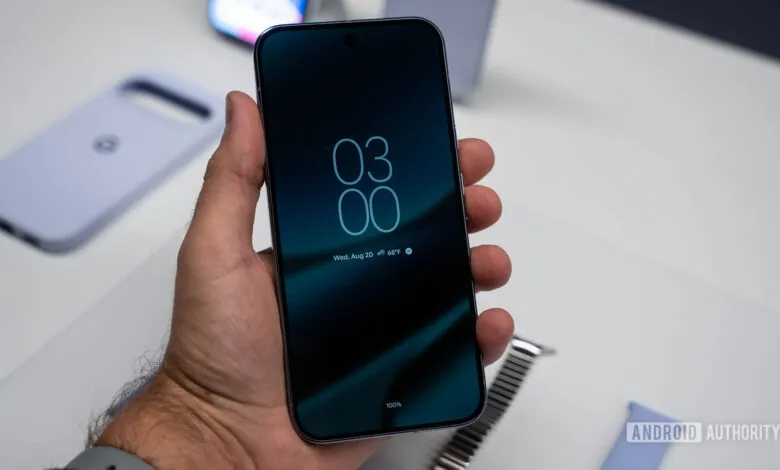
A new power-saving feature for Pixel phones is in development, promising to give users greater control over their device’s battery consumption. Google is working on an intelligent Always-on Display setting that will automatically turn off the screen when it detects no user activity. This enhancement, discovered in the latest Android Canary build, could significantly extend battery life for Pixel owners who rely on their phone’s ambient display.
Currently, Pixel devices offer limited options for managing the Always-on Display, it’s either fully active or completely disabled during waking hours. Unlike some Android manufacturers that provide scheduling capabilities, Google’s implementation has remained relatively basic. The newly uncovered code reveals a forthcoming option titled “Turn off display on inactivity,” described as a function that “powers down the display when no user activity is detected to save power.”
The feature appears within the Settings application under the Doze framework, which handles Android’s low-power states and ambient display functionality. While not yet active in the current Canary release, this setting will likely appear in the Display menu alongside existing Always-on Display controls. What remains unclear is exactly how the system will determine user inactivity or what timeframe will trigger the display shutdown.
Samsung’s approach to adaptive Always-on Display might offer clues about Google’s direction. Many Samsung devices include an “auto” mode that disables the ambient display when the phone is face down, in darkness, or when the user appears to be sleeping. Pixel phones already use proximity sensors to turn off the display when placed in pockets or facing downward, but they don’t currently monitor broader activity patterns. This means a Pixel left on a table for hours continues showing the Always-on Display until Bedtime Mode activates overnight.
This development follows Google’s recent introduction of AOD wallpaper support on the Pixel 10 series, signaling the company’s commitment to enhancing the ambient display experience. The addition of inactivity detection suggests Google is listening to user feedback about battery conservation while maintaining the convenience of glanceable information.
The timing of this feature’s public release remains uncertain, as does its potential availability on older Pixel models. Many users hope these power-saving improvements won’t be exclusive to the latest devices but will extend to existing Pixel phones through software updates. As battery life continues to be a priority for smartphone users, this intelligent display management could become a welcome addition to Google’s feature set.
(Source: Android Authority)