Ninja Gaiden 4 Review: The Ultimate Test Awaits
▼ Summary
– Ninja Gaiden 4 is the best action game of 2025, combining Team Ninja’s difficulty with PlatinumGames’ fast-paced combat for a brutally brilliant experience.
– The game features two distinct protagonists: newcomer Yakumo with acrobatic combat and Bloodraven form, and returning Ryu Hayabusa with a weightier, classic Ninja Gaiden style.
– While combat is praised for its speed and depth, the game has flaws including dull environments, repetitive platforming sections, and uninspired level design.
– Ninja Gaiden 4 offers multiple difficulty options and robust accessibility features, including an easier Hero mode with auto-dodge and auto-block mechanics.
– The game delivers excellent performance running at 60fps on Xbox Series X and PC, and is available on Xbox Game Pass Ultimate at launch.
Ninja Gaiden 4 stands as a monumental achievement in character action gaming, delivering a brutally satisfying combat experience that demands precision and skill. This collaboration between Team Ninja and PlatinumGames represents both developers operating at their absolute peak, creating what many will consider the definitive action title of 2025. While the game stumbles occasionally with repetitive platforming and uninspired environments, its combat system ranks among the finest in the genre, offering depth and complexity that will keep players engaged for countless hours.
The game represents a perfect marriage of Team Ninja’s methodical combat design and PlatinumGames’ flair for spectacular, fast-paced action. Players who appreciate challenging gameplay will find themselves right at home here, as Ninja Gaiden 4 maintains the series’ legendary difficulty while introducing new mechanics that feel both fresh and perfectly integrated. The combat prioritizes learning enemy patterns and mastering combo routes rather than relying on artificial difficulty spikes, creating an experience that feels consistently fair despite its punishing nature.
Players familiar with character action classics like Devil May Cry 5 or Bayonetta will immediately recognize the quality on display. The game provides all the necessary tools to dismantle any enemy encounter, though reaching that level of proficiency requires significant practice and dedication. The journey toward mastery proves incredibly rewarding, capturing that special feeling of progression that defines the best games in this genre.
Series veterans will appreciate the return of familiar mechanics, including multiple weapon types with expandable move sets, dismemberment systems enabling instant-kill obliteration attacks, and the crucial balance between aggressive offense and careful defense. These elements combine to create encounters that feel both strategic and intensely visceral.
Where the game falters somewhat is in its environmental design and pacing. The levels often lack the visual variety and memorable set pieces of previous entries, with many combat arenas feeling overly spacious and boxy. The platforming sections, while visually impressive at times, tend to overstay their welcome and lack the engaging challenge of the core combat. These segments primarily serve to extend stage length rather than enhance the overall experience.
The narrative introduces an intriguing premise centered around newcomer protagonist Yakumo of the Raven Clan, who forms an unlikely alliance with priestess Seori to resurrect the colossal Dark Dragon with the intention of permanently destroying it. This puts him at odds with series mainstay Ryu Hayabusa, who aligns with the Divine Dragon Order to prevent this dangerous plan. The conflicting ideologies create an interesting dynamic, though the story primarily serves as background context for the action rather than standing as a narrative masterpiece.
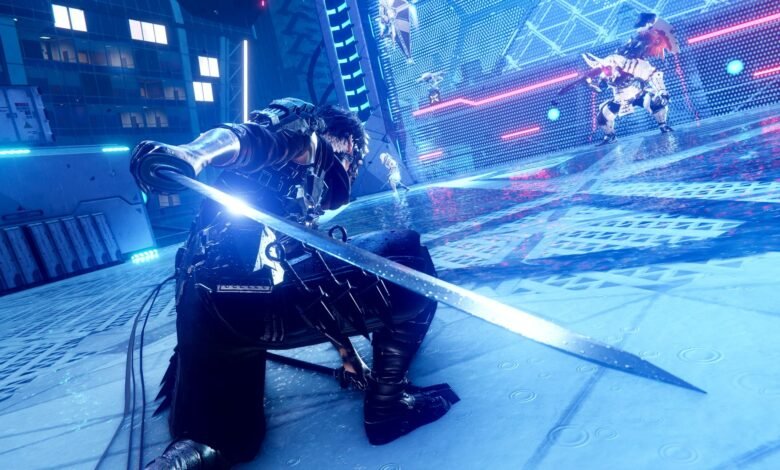
Yakumo’s design embraces a distinctly edgy aesthetic that contrasts sharply with Hayabusa’s more traditional appearance. This visual distinction extends to their combat styles, with Yakumo embodying PlatinumGames’ signature acrobatic flair while Hayabusa maintains the weightier, more grounded feel of classic Ninja Gaiden. This duality creates a compelling campaign that remains fresh throughout its duration.
Yakumo’s signature Bloodraven form adds significant strategic depth to combat. By holding the left trigger when his gauge is sufficiently filled, he enters an empowered state that can break through enemy guards and interrupt otherwise unblockable attacks. Learning when to activate this form becomes crucial to survival, as mismanagement leaves him vulnerable to devastating counterattacks.
Even without this transformation, both characters remain formidable combatants. Basic combos can dismember enemies, opening them up for instant-kill Obliteration techniques. Charging heavy attacks builds Ultimate techniques that deliver massive damage, often eliminating weaker foes outright. Defensive options include blocking, dodging, and parrying, with perfectly timed parries creating openings for immediate counterattacks and well-executed dodges triggering slowdown effects that provide valuable repositioning opportunities.
Combat encounters unfold at breathtaking speeds, particularly when multiple enemy types appear simultaneously. Performance directly impacts stage rankings, which determine currency and weapon experience rewards used to purchase consumables and unlock new techniques. Brief exploration segments provide respite between combat sequences, offering side missions, collectibles, and optional challenges for additional resources.
While level design isn’t the game’s strongest aspect, the boss fights more than compensate for this shortcoming. These massive encounters present unique challenges that often require specific weapon strategies and careful observation of attack patterns. Backed by an adrenaline-pumping soundtrack, these battles stand as highlights that make navigating less-inspired areas worthwhile.
Visually, the game excels in character models and weather effects, with animations and combat feedback feeling exceptionally responsive. Performance remains solid across platforms, maintaining a consistent 60 frames per second on both Xbox Series X and PC. The Xbox Play Anywhere feature allows seamless transition between console and PC, with day-one availability on Xbox Game Pass making it easily accessible to subscribers.
For players seeking accessibility options, Ninja Gaiden 4 offers robust settings including Hero mode with automated dodge and block mechanics, visual enhancements for better contrast, and control schemes accommodating various play styles. While these options make the game more approachable, the true experience shines through at higher difficulty levels where the combat system fully reveals its depth and complexity.
The game represents a triumphant return for the franchise, delivering an experience that honors its legacy while pushing the genre forward. Despite some environmental and pacing issues, the combat system stands as a masterclass in action game design, offering nearly endless opportunities for skill expression and improvement. For fans of challenging, skill-based action games, Ninja Gaiden 4 proves absolutely essential.
(Source: TechRadar)