The Next Xbox Isn’t What You Think
▼ Summary
– Microsoft envisions a future where Xbox gaming extends beyond consoles to various devices like computers, phones, and cars.
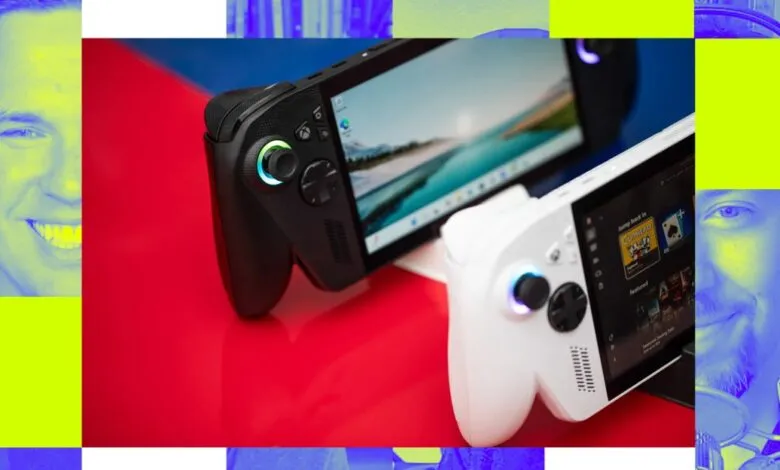
– The Vergecast reviews two new Xbox-branded handhelds, the ROG Ally and Ally X, which largely fail to meet high expectations.
– The episode questions whether Microsoft’s gaming vision is correct and if the company can successfully execute it.
– Recent studies suggesting AI is making people dumber are discussed, comparing the backlash to historical moral panics over new technologies.
– The show explores whether hybrid computers, a concept from 2012, could be the future by consolidating multiple devices into one modular system.
Imagine a world where your television, your laptop, and even your smartphone all function as an Xbox. Microsoft is pushing a vision where the Xbox brand transcends its traditional console form, aiming to embed itself into nearly every screen you own. This ambitious strategy prompts some serious questions. For starters, if something carries the Xbox name, shouldn’t it be guaranteed to play Xbox games properly? And perhaps more fundamentally, will the actual experience ever be good enough to justify this expansive approach?
On a recent episode of their podcast, The Verge’s Sean Hollister shared his hands-on impressions of two new devices: the ROG Ally and the Ally X. These are Windows-based handhelds that carry the official Xbox branding, which naturally sets a high bar for performance. Unfortunately, his experience suggests they largely fall short of these elevated expectations. This performance gap makes you wonder whether Microsoft’s broad, platform-agnostic gaming vision is truly the right path forward. Even if the strategy is sound, does the company possess the executional skill to make it a reality for gamers?
The conversation then shifted as Hayden Field from The Verge joined to analyze a couple of recent and contentious studies. These reports suggest that our growing reliance on artificial intelligence might be having a negative impact on human intelligence. This type of anxiety is hardly new; society has historically greeted transformative technologies, from newspapers and radio to television, with similar fears about societal decay. The central question is whether the current backlash against AI is simply the latest moral panic, or if we are genuinely making a cognitive misstep by outsourcing our thinking to chatbots. While the scientific research is still in its early stages, the preliminary findings are certainly thought-provoking.
To wrap up the discussion, Sean returned to tackle a listener question from the Vergecast Hotline about the potential revival of hybrid computers. This concept, which felt very futuristic back in 2012, involves a single core computing unit that connects to different form factors like a laptop shell or a tablet screen. The core appeal remains compelling: why manage a collection of separate devices when you could have one powerful brain that adapts to your needs throughout the day? It’s an idea that continues to spark curiosity about the future of personal computing.
For those interested in a deeper exploration of the topics covered in this episode, the following resources provide an excellent starting point for further reading.
(Source: The Verge)