Scientists Revive Ancient Yogurt Recipe Using Ants
▼ Summary
– Fermenting milk with red wood ants is a traditional Bulgarian yogurt-making method that scientists have now studied to understand its effectiveness.
– The research, published in iScience, revealed that traditional yogurts like this have greater microbial diversity than modern yogurts, which typically use only two bacterial strains.
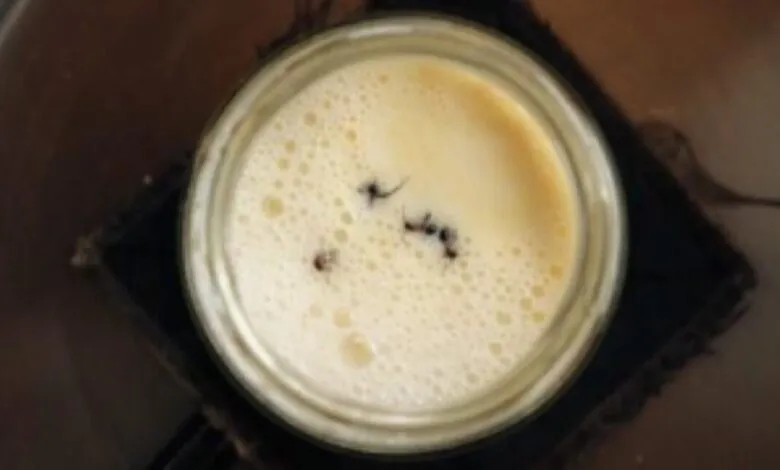
– To recreate the traditional yogurt, researchers followed local instructions using fresh raw cow milk and added live red wood ants from a local colony in Bulgaria.
– The milk mixture was buried in an ant nest, which served as a natural incubator due to the heat produced, and was fermented for 26 hours until it thickened and soured.
– The resulting yogurt was described as slightly tangy and herbaceous, with notes of grass-fed fat, and the authors collaborated with chefs to develop modern recipes using this method.
Scientists are exploring the fascinating world of ancient fermentation by reviving a traditional Bulgarian method that uses red wood ants to create yogurt. This unique approach not only connects us with historical food preservation techniques but also highlights the rich microbial diversity found in natural environments, offering potential insights for modern culinary innovation.
A recent study published in iScience reveals why this unusual ingredient works so effectively. Researchers discovered that ants introduce a complex mix of bacteria and yeasts into milk, kickstarting the fermentation process far more robustly than the limited bacterial strains used in commercial yogurt production today. Co-author Leonie Jahn from the Technical University of Denmark noted that traditional yogurts possess much greater biodiversity, which varies by location, household, and season. This diversity, she explained, contributes to a wider array of flavors, textures, and unique characteristics in the final product.
To accurately reconstruct the traditional recipe, the scientific team traveled to Nova Mahala, Bulgaria, drawing on local knowledge and oral histories preserved by residents. Following detailed instructions from a family elder, they began with fresh raw cow’s milk, heated until it was hot enough to “bite your pinkie finger.” They then collected four live red wood ants from a nearby colony and added them directly to the warm milk.
The mixture was covered with cheesecloth, placed in a glass container, and carefully insulated with fabric before being buried entirely within the ant nest. The researchers noted that the nest naturally produces heat, serving as an effective incubator for the fermentation process. After twenty-six hours, they retrieved the container and observed that the milk had thickened and soured, forming an early stage of yogurt. Tasters described the resulting product as slightly tangy and herbaceous, with distinct notes reminiscent of grass-fed fat.
This experimental recreation not only validates the effectiveness of the traditional method but also opens the door for new collaborations between scientists and chefs. By understanding and utilizing these natural microbial communities, it becomes possible to develop modern recipes that incorporate the complex flavors and textures of heritage foods, bridging ancient wisdom with contemporary cuisine.
(Source: Ars Technica)