Top Android Phones of 2025: Expert Picks & Reviews
▼ Summary
– Android offers a wider range of device choices compared to iPhones, including innovative options like foldable phones.
– The author tests phones by using them as a primary device for at least a week, evaluating battery, performance, and daily usage.
– Key criteria for a great Android phone include longevity, a high-quality screen, capable cameras, and wireless charging.
– The US market has fewer Android options due to limited availability of brands like Huawei and Xiaomi, making the recommendations US-centric.
– Top recommended phones include the Pixel 10 for overall ease of use, the Galaxy S25 Ultra for features, and the OnePlus 13 for fast charging.
Navigating the vast world of Android smartphones can feel overwhelming, but choosing the right device becomes much simpler when you know what truly matters. With options ranging from compact models to foldable innovations, there’s a perfect Android phone for every user and budget.
The Android market thrives on variety. Unlike the more limited iPhone lineup, Android offers something for everyone, including devices that literally fold in half. Still, with so many choices, deciding which phone to buy isn’t always easy. After extensively testing the latest models, I’ve identified several standout performers. Your ideal pick depends on your priorities: budget, preferred size, and must-have features.
When researching, you’ll notice plenty of talk about AI. So far, most AI features on phones haven’t lived up to the hype. Google’s Pixel 10 includes helpful tools like Magic Cue, which surfaces useful info at just the right time, and Samsung’s real-time call translation is genuinely impressive. Still, these feel more like incremental improvements than revolutionary changes. For now, it’s wise to take AI marketing claims with a grain of salt.
My testing process is thorough and personal. I use each phone as my daily device for at least a week, loading it with my apps, testing battery life under real-world conditions, and pushing the camera to its limits. This hands-on approach helps me evaluate performance, usability, and reliability.
Durability is a major consideration. A great phone should last for years. I look for strong build quality, including an IP68 rating for water and dust resistance, durable glass construction, and a solid aluminum frame. Long-term software support is equally important, Samsung and Google now promise seven years of updates, which is fantastic. At a minimum, three years of OS upgrades and four to five years of security patches are essential.
Display quality can make or break the experience. The best Android phones offer sharp 1440p resolution, smooth 120Hz refresh rates, and adaptive technology that conserves battery by lowering the refresh rate when needed.
Camera performance isn’t just about sunny day shots. The best phones excel in low light and high-contrast situations, thanks to features like optical image stabilization and high-resolution sensors. A dedicated telephoto lens is a nice bonus, though some phones use smart cropping to achieve similar zoom effects.
Wireless charging is increasingly standard, and while its absence isn’t always a deal-breaker, it’s a highly convenient feature for many users.
It’s worth noting that the US market offers fewer options than regions like Asia and Europe. Brands like Xiaomi, Honor, and Oppo aren’t widely available stateside, so this guide focuses on devices I’ve tested personally.
Many Americans get their phones through carrier deals, which can make upgrades more affordable. However, buying unlocked provides greater flexibility if you plan to switch providers. Manufacturers also offer attractive financing and trade-in options. If a carrier deal works for you, just be sure to read the fine print.
No matter how you buy, there are plenty of excellent Android phones to choose from.
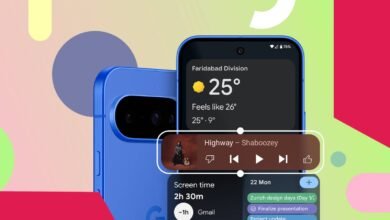
The Google Pixel 10 stands out as the best overall Android phone thanks to its balanced performance, clean software, and thoughtful AI integration. For $799, you get a bright 6.3-inch OLED display, the same Tensor G5 chip found in the Pro model, and convenient Qi2 wireless charging with built-in magnets. This year, Google added a telephoto lens to the standard model, though the main and ultra-wide cameras see a slight step down from previous generations. Most users won’t notice the difference in everyday shooting.
What really makes the Pixel 10 special is its user-friendly design. Features like Magic Cue feel genuinely helpful rather than gimmicky, and the phone stays cool under pressure. With an IP68 rating and reliable battery life, it’s a no-fuss device that gets the job done with style.
For those who want it all, the Samsung Galaxy S25 Ultra remains the ultimate maximalist phone. It includes two telephoto lenses, a built-in S Pen, and a massive, vibrant display. This year’s model features more comfortable rounded corners and flat edges, though hardware improvements are subtle. Samsung has focused heavily on software and AI features, which are hit-or-miss. Still, if you’re looking for a feature-packed powerhouse, the Ultra delivers, even if it’s not as uniquely “ultra” as in years past.
Not everyone wants a giant phone. If you prefer something more pocket-friendly, the Samsung Galaxy S25 is your best, and really only, high-end compact option. With a 6.2-inch screen, it strikes a nice balance between usability and portability. It doesn’t cut corners on performance, offering solid battery life, ample RAM, and even a telephoto lens. Backed by seven years of updates, it’s a reliable and durable choice for those who prefer smaller devices.
Some people want a large screen without the bulk. The Samsung Galaxy S25 Edge delivers exactly that with a slim, lightweight design that’s easy to carry. The trade-off comes in battery life, which is adequate but not exceptional, and the lack of a dedicated telephoto lens. Still, if you value comfort and style, the S25 Edge is a compelling option.
If you hate being tethered to a charger, the OnePlus 13 is made for you. It boasts a massive 6,000mAh battery that can easily last two days, along with incredibly fast 80W wired charging. You also get a gorgeous display, improved cameras, and rugged IP68/IP69 durability. It’s an excellent value, especially for impatient power users.
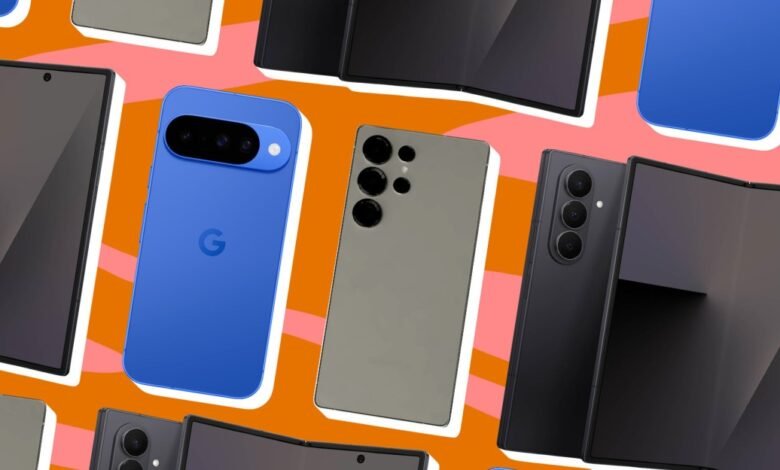
Foldable phones aren’t for everyone, but the Samsung Galaxy Z Fold 7 is the best book-style foldable available. Its redesigned outer screen feels more like a traditional phone, while the inner display is perfect for multitasking and media. The hinge is stiff, and the camera bump is prominent, but if you want a premium foldable experience, this is the one to get.
Several other Android phones deserve honorable mentions, including the upcoming Pixel 10 Pro Fold, the first foldable with a full IP68 rating. It features Google’s Tensor G5 chip and improved displays, though camera hardware remains similar to earlier models. Preorders are available now ahead of its October release.
In the end, the best Android phone for you depends on what you value most: simplicity, power, portability, or innovation. With so many strong contenders, there’s never been a better time to upgrade.
(Source: The Verge)