The Best Phone to Buy in 2025: Top Picks Reviewed

▼ Summary
– The author is a senior tech reviewer with over a decade of experience, specializing in mobile photography and telecom.
– Current phone hardware is described as boring but reliable, with iterative updates and a focus on software over hardware innovation.
– The review process involves living with each phone for at least a week, testing battery, cameras, and daily usage thoroughly.
– Key criteria for recommendations include top-notch software support, fantastic cameras, build quality, and overall value.
– Specific phone recommendations include the iPhone 16 for most users, Pixel 10 for Android, and Samsung Galaxy Z Fold 7 for foldables.
Finding the right smartphone in 2025 doesn’t have to be overwhelming. With so many solid options available, the best choice often comes down to personal priorities, whether that’s camera performance, battery life, software support, or overall value. This guide breaks down the top contenders across different categories, helping you make an informed decision based on real-world testing and hands-on experience.
Many people simply want a reliable upgrade that feels familiar yet performs noticeably better than their current device. If that sounds like you, there are plenty of excellent choices available. Even if you’re looking for something more distinctive, like a folding phone or a device packed with AI features, you’ll find compelling options this year.
It’s worth noting that most smartphones in 2025 are iterative rather than revolutionary. We’re in an era where software and ecosystem integration often matter more than raw hardware breakthroughs. Still, there’s plenty to appreciate, from refined foldable designs to more capable cameras and longer software support cycles.
When evaluating phones, we focus on several key criteria. Each device is used as a daily driver for at least a week, with real-world testing that includes photography, navigation, battery endurance, and multitasking. We prioritize long-term software support, camera versatility, build quality, and overall value. Phones that offer four or more years of OS updates and five years of security patches rank highly, as do devices that deliver a balanced mix of features for their price.
—
The iPhone 16 stands out as the best iPhone for most people. It features a 6.1-inch OLED display, Apple’s A18 chip, and a versatile dual-camera system with a 48MP main sensor. New hardware additions include the customizable Action Button and the dedicated Camera Control button, which makes launching the camera and adjusting settings more intuitive. While it lacks the 120Hz ProMotion display and telephoto lens found in Pro models, it delivers a smooth, reliable experience ideal for everyday use.
—
For Android users, the Google Pixel 10 is a top recommendation. It combines a clean software experience with meaningful upgrades like Qi2 wireless charging and a new telephoto lens. Powered by the Tensor G5 chip, it handles AI-driven features such as Magic Cue with ease. Although its main and ultrawide cameras share hardware with more affordable models, the overall imaging performance remains strong. It’s a well-rounded device that offers flagship features at a competitive price.
—
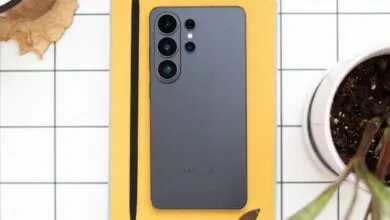
Samsung’s Galaxy S25 Ultra continues to dominate the high-end Android segment. It packs a massive 6.9-inch display, a Snapdragon 8 Elite processor, and an impressive quad-camera array including two telephoto lenses. The built-in S Pen and all-day battery life make it a productivity powerhouse. Recent changes, like the removal of Bluetooth functionality from the stylus, may disappoint some fans, but it remains one of the most capable and feature-rich phones available.
—
Budget-conscious shoppers should consider the Google Pixel 9A. For around $500, it delivers exceptional value with a 120Hz OLED screen, Tensor G4 processor, IP68 rating, and an industry-leading seven years of software updates. While its low-light photography and portrait mode aren’t class-leading, it performs admirably for the price and includes perks like wireless charging and a large battery.
—
The iPhone 16 Pro is the best high-end iPhone, especially for those who prefer a more compact form factor. It now includes a 5x telephoto lens, previously exclusive to the Pro Max, along with the A18 Pro chip and Apple Intelligence support. The slightly larger 6.3-inch ProMotion display and new Camera Control button enhance the user experience, making it a great option for photography enthusiasts and power users alike.
—
Samsung’s Galaxy Z Flip 7 is the best flip phone on the market. Its redesigned 4.1-inch cover screen is more functional than ever, allowing quick interactions without opening the device. The hinge feels durable, and the 50MP main camera takes great photos. Battery life is decent for moderate use, though heavy users may need to recharge before the day ends. The lack of dust resistance is a drawback, but seven years of software updates help future-proof the device.
—
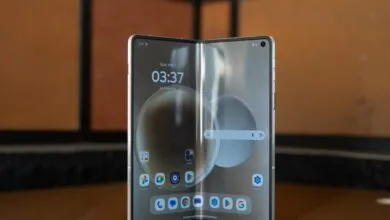
The Galaxy Z Fold 7 is the best folding phone available, thanks to its redesigned outer screen that now feels like a regular smartphone. The inner 8-inch display is perfect for multitasking, gaming, and media consumption. It’s thinner and lighter than previous models, though it remains expensive and lacks formal dust resistance. If you want a device that doubles as a phone and a mini-tablet, the Z Fold 7 is unmatched.
—
Several other phones impressed in testing but didn’t quite make the top picks. The Samsung Galaxy S25 is a great smaller Android phone, though its software can feel cluttered. The iPhone 16E offers a lower-cost entry into the iOS ecosystem but makes significant camera compromises. The Motorola Razr Ultra 2025 stands out with its stylish design and useful cover screen, though its update promise falls short of Google’s. The Samsung Galaxy S25 Edge is incredibly slim but sacrifices battery life and telephoto capabilities. The OnePlus 13R excels in battery and display quality but omits wireless charging. The Nothing Phone 3 introduces a unique dot-matrix LED display and capable cameras, marking Nothing’s first true flagship effort. The Pixel 9 Pro Fold is a strong foldable contender with a lightweight design, though its camera and dust resistance aren’t on par with other Pixels. The Pixel 10 Pro refines Google’s flagship formula with better AI and portrait photography, but its battery life is only average.
—
Looking ahead, the Pixel 10 Pro Fold is set to become the first IP68-rated foldable, offering improved durability and Google’s latest Tensor chip. Apple’s upcoming iPhone 17 series includes a new slim iPhone Air model and Pro devices with enhanced displays and larger batteries. These devices represent continued innovation in both design and functionality, though real-world testing will determine how they stack up against current favorites.
Whether you’re upgrading from an older device or exploring new form factors, there’s never been a better time to find a phone that truly fits your lifestyle.
(Source: The Verge)