Top 10 Best Phones of 2025: Expert Reviews & Rankings
▼ Summary
– The article provides a ranked guide to the best smartphones of 2025, based on rigorous real-world testing of performance, battery life, camera quality, and design.
– The Apple iPhone 16 is named the best overall phone, praised for its value, telephoto camera, and battery life, though it lacks a high refresh rate and Apple Intelligence at launch.
– The Samsung Galaxy S25 Ultra is highlighted as the best Android phone, offering refined design, strong performance, and improved AI integration, despite being an iterative update.
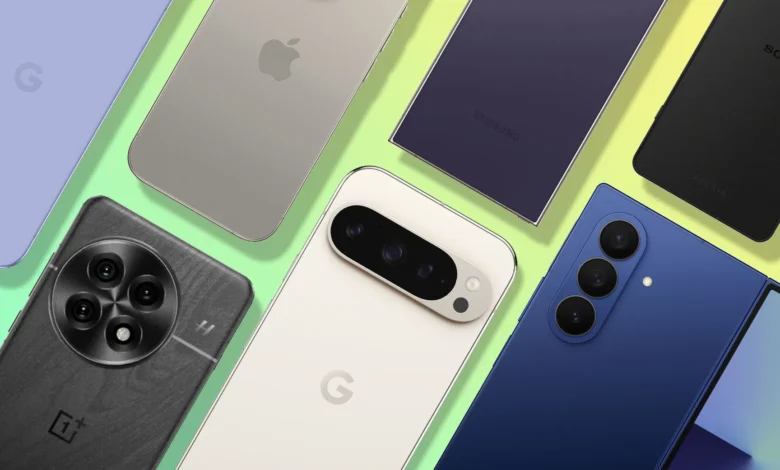
– Other top picks include the Google Pixel 9 Pro for photography, the OnePlus 13 for display quality, and the Google Pixel 9a as the best affordable option.
– The guide advises readers to consider operating system, budget, display size, performance, battery life, and specific needs like photography or gaming when choosing a smartphone.
Finding the perfect smartphone in 2025 means balancing performance, design, and value. With an overwhelming number of choices available, our expert team has rigorously tested the latest models to bring you a definitive ranking of the year’s top devices. Whether you prioritize camera quality, battery life, or cutting-edge software, this guide highlights the standout performers across all categories.
Our hands-on evaluation process puts every phone through real-world scenarios. We assess battery performance during extended video streaming, capture hundreds of photos in varied lighting, and push processing limits with demanding mobile games. Display quality, software responsiveness, and overall durability also play key roles in our final scores. Only the most well-rounded and reliable devices earn a place in this selection.
The Apple iPhone 16 stands out as the overall best phone of the year. It delivers a compelling mix of premium features and accessible pricing, making it a smarter choice than the Pro model for many users. The inclusion of a telephoto lens and Camera Control button in the standard version are welcome upgrades. Battery life is impressive, easily lasting a full day thanks to the efficient A18 chip. While the 60Hz refresh rate feels dated and Apple Intelligence is still pending, the iPhone 16 represents outstanding value and performance.
For Android enthusiasts, the Samsung Galaxy S25 Ultra continues to set the standard. It refines an already excellent formula with a tougher build, brighter display, and more cohesive AI integration. Performance is top-tier, and the camera system remains among the best, even if the zoom capabilities aren’t class-leading. Though it’s an iterative update, the S25 Ultra is a superb long-term investment for Samsung loyalists.
Photography fans should look no further than the Google Pixel 9 Pro. It packs a triple 48MP rear camera setup backed by industry-leading computational photography. AI tools like Magic Editor and “Add Me” for group shots make editing effortless. The compact 6.3-inch design doesn’t compromise on battery or display quality, though charging speeds still trail the competition. With seven years of software updates, it’s a powerful and future-proof option.
If display quality is your top priority, the OnePlus 13 offers a stunning 6.82-inch OLED panel with a dynamic 120Hz refresh rate. It also delivers exceptional battery life and blazing-fast 100W charging. Performance is flawless, and the Hasselblad-tuned cameras provide great versatility. For the price, it’s one of the most compelling flagship alternatives available.
The Google Pixel 9a brings premium features to the affordable segment. Its redesigned body, bright Actua display, and excellent main camera outperform many costlier rivals. With Gemini AI integration and seven years of security updates, it represents tremendous long-term value. Wireless charging and a 120Hz display are now standard, making it hard to beat in this category.
Creative professionals will appreciate the Sony Xperia 1 VII, which retains beloved features like a headphone jack and microSD slot. Its ultrawide camera is class-leading, and the notch-free OLED screen is ideal for media consumption. While its design feels dated and battery life is no longer best-in-class, it remains a unique option for Sony enthusiasts.
In the foldable category, the Samsung Galaxy Z Fold 7 impresses with a dramatically slimmer design and larger cover screen. It feels more like a traditional phone when closed, yet offers a expansive 8-inch canvas inside. Performance is stellar, and the 200MP main camera borrowed from the S25 Ultra ensures excellent photo quality. Samsung has reclaimed its foldable crown with this model.
Shoppers on a budget should consider the Samsung Galaxy S24 Ultra, now available at significant discounts. It still delivers flagship performance, a versatile camera system, and S Pen support. While it lacks the latest AI features and design refinements of the S25 Ultra, it remains an excellent value for those willing to wait for software updates.
Choosing the right smartphone depends on your priorities. Start by deciding between iOS and Android based on your ecosystem preferences and familiarity. Set a realistic budget, then consider factors like screen size, battery life, camera performance, and processing power. Gamers and photography enthusiasts should look for specialized models, while everyday users may prefer a balanced all-rounder.
It’s worth noting the distinction between mobile phones and smartphones. All smartphones are mobile phones, but not all mobile phones are smartphones. Modern smartphones offer advanced computing, internet connectivity, and app ecosystems far beyond basic calling and texting.
Our testing methodology is thorough and unbiased. We use each device extensively over at least a week, evaluating every aspect from battery endurance and display quality to camera performance and software stability. Our goal is to provide detailed, real-world insights to help you make an informed decision. Trust our reviews, we’ve spent the time with these devices so you don’t have to.
(More on: Stuff.tv)