How Burning Man VR Rose From Microsoft’s Shutdown
▼ Summary
– The virtual Burning Man, BRCvr, was created in 2020 after the real festival was canceled and initially hosted on AltspaceVR, attracting thousands of participants and industry recognition.
– Microsoft’s shutdown of AltspaceVR in 2023 forced BRCvr to seek a new platform, leading the team to build their own app, BurnerSphere, after finding no existing platform met their needs.
– BurnerSphere offers a VR experience with digital replicas of Burning Man elements, immersive videos, and art showcases, blending documentary content with social interaction for both VR headsets and desktops.
– The platform adheres to Burning Man’s non-commercial principles, avoiding sponsorships and relying on member fees instead, aiming to provide a permanent, year-round digital space for the community.
– The BRCvr team acknowledges the risks of building an independent platform but prioritizes control and alignment with Burning Man’s ethos over reliance on corporate-owned metaverse environments.
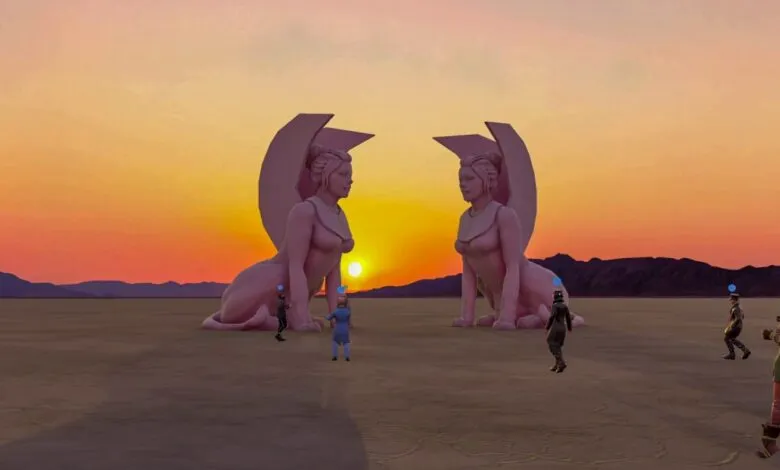
What began as a temporary digital refuge has evolved into a resilient virtual reality platform built by and for the global Burning Man community. When the iconic desert gathering was canceled in 2020 due to the pandemic, a resourceful group of enthusiasts came together to recreate the experience on AltspaceVR. That initial effort drew thousands of participants and even earned recognition from the Producers Guild of America, proving that the spirit of Black Rock City could thrive in a virtual landscape.
The success prompted organizers to continue the digital iteration even after the physical event resumed. Known as BRCvr, the project faithfully recreated landmarks like the towering Man structure and offered immersive social spaces. But the endeavor faced a major setback when Microsoft announced it would shutter AltspaceVR in early 2023 as part of a strategic shift away from consumer VR.
Suddenly without a home, the BRCvr team embarked on an extensive search for a new platform. CEO Athena Demos and co-founder Doug Jacobson evaluated over forty social VR environments but found nothing that met their specific needs, particularly the capacity for large-scale custom content. This realization led to a bold decision: they would build their own platform from the ground up.
The result is BurnerSphere, a dedicated social VR application launching in beta just in time for this year’s Burning Man festival. Accessible through VR headsets and desktop computers, it offers a persistent digital space where the community can gather year-round. The platform serves not only as a social hub but also as an interactive archive, blending documentary footage with explorable digital art installations.
Upon entering BurnerSphere, users find themselves on a virtual replica of Gate Road, the symbolic entrance to Black Rock City. From there, portals lead to art exhibits, immersive videos, and camp environments. The experience integrates 360-degree footage from past events, creating a layered sense of presence that merges recorded reality with interactive digital elements.
Graphically, BurnerSphere retains a modest, functional aesthetic reminiscent of earlier social VR platforms, a conscious choice reflecting the team’s small size and focus on community rather than commercial polish. The priority has been stability and authenticity, not cutting-edge visuals.
A key motivation for building an independent platform was preserving Burning Man’s non-commercial ethos. Unlike corporate metaverse projects, BurnerSphere operates without advertising, sponsorship, or avatar marketplaces. Instead, it sustains itself through an annual membership fee, aligning with the event’s gifting culture and principles of radical self-reliance.
This member-supported model represents both an ideological stance and a practical solution to the volatility of tech platforms. By maintaining control over their digital environment, the BRCvr team ensures that the community’s values remain central, free from external corporate influence.
Whether this experiment in community-owned virtual space will succeed remains an open question. For now, BurnerSphere stands as a testament to the resourcefulness and dedication of burners worldwide, a digital campfire around which the tribe can gather, regardless of physical distance or corporate decisions.
(Source: The Verge)