Would You Quit a Game Before Lowering Difficulty? Devs Think So
▼ Summary
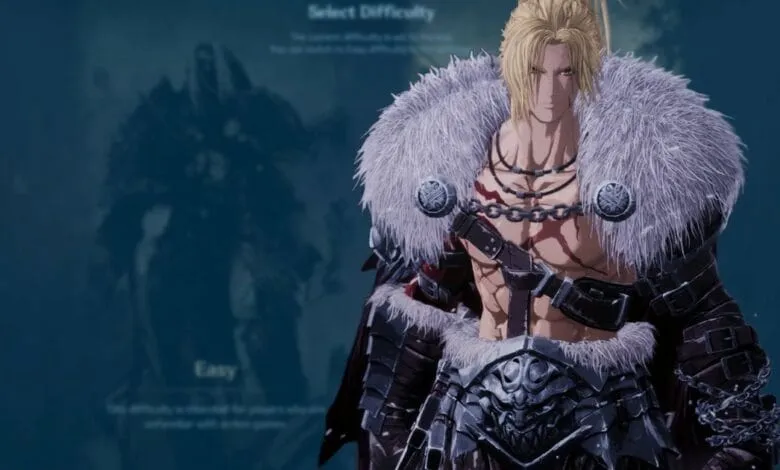
– Many players of *The First Berserker: Khazan* quit the game rather than switching to ‘Easy’ mode, as they preferred to “quit with dignity.”
– Developer Neople found that labeling difficulties as ‘Normal’ and ‘Easy’ discouraged players from adjusting settings due to ego, while renaming them ‘Hard’ and ‘Normal’ might have improved retention.
– The June update introduced ‘Beginner’ and ‘Hardcore’ modes, with ‘Beginner’ including accessibility features and ‘Hardcore’ offering tougher, prototype-like boss fights.
– Game difficulty is subjective, and Neople aimed to let players freely adjust challenges to enhance enjoyment, learning from player feedback.
– The article contrasts Neople’s approach with developers like Hidetaka Miyazaki, who believes lowering difficulty would “break” games like *Elden Ring*, highlighting differing philosophies in game design.
Many gamers would rather abandon a challenging game entirely than lower the difficulty setting, according to surprising player behavior data from The First Berserker: Khazan. The game’s developers at Neople discovered this trend after analyzing how players interacted with the title following its March 2025 release.
Creative director Junho Lee shared insights in a recent Steam update, revealing that despite offering an “Easy” mode from launch, a significant portion of players chose to quit rather than switch to a less demanding experience. Lee theorized this stems from players preferring to “quit with dignity” rather than admit defeat by adjusting the difficulty. The phenomenon highlights an intriguing aspect of gaming psychology, where overcoming tough challenges becomes a point of pride rather than just entertainment.
The team also noticed another curious pattern: labeling played a major role in player decisions. Some admitted they would have been more willing to lower the difficulty if the default setting had been called “Hard” instead of “Normal.” This subtle framing apparently made switching to “Easy” feel like a bigger concession than moving from “Hard” to “Normal.”
In response, Neople introduced two new modes in their June update: “Beginner” and “Hardcore.” The former isn’t just a simpler version, it includes accessibility tweaks to help players engage at their own pace. Meanwhile, “Hardcore” delivers the game’s bosses in their most brutal, unaltered forms, catering to those seeking the ultimate challenge.
This approach stands in stark contrast to studios like FromSoftware, where director Hidetaka Miyazaki has argued that adding difficulty options to games like Elden Ring would undermine their core design. Meanwhile, other titles, such as Monster Hunter Wilds, face criticism from veteran players demanding tougher endgame content. Even Wuchang: Fallen Feathers has had to tweak its combat balance post-launch after players called certain encounters unfairly difficult.
Neople’s transparency offers a rare glimpse into how developers interpret player behavior and adjust their games accordingly. Unlike some titles, such as Resident Evil 4, which secretly lowers difficulty behind the scenes, their open communication fosters trust with the community.
The debate over difficulty settings remains divisive. Some players relish punishing experiences (Nioh fans, anyone?), while others appreciate options that let them tailor the challenge. With The First Berserker: Khazan now offering more flexibility, will you give it a try, or do you prefer your games unrelentingly tough?
(Source: EuroGamer)