Will the Dream Chaser Space Plane Finally Reach Orbit?
▼ Summary
– Sierra Space’s Dream Chaser space plane, in development for over 20 years, will not launch this year, with no clear date yet announced.
– NASA’s Dana Weigel stated Sierra Space is in final assembly, focusing on software certification and propulsion system testing.
– Dream Chaser’s first mission under its NASA cargo contract is planned to visit the International Space Station.
– NASA is requiring thorough software testing after Boeing’s Starliner faced issues, emphasizing end-to-end checks before flight.
– Dream Chaser uses kerosene and hydrogen peroxide propellants in its thrusters, differing from toxic hypergolic alternatives.
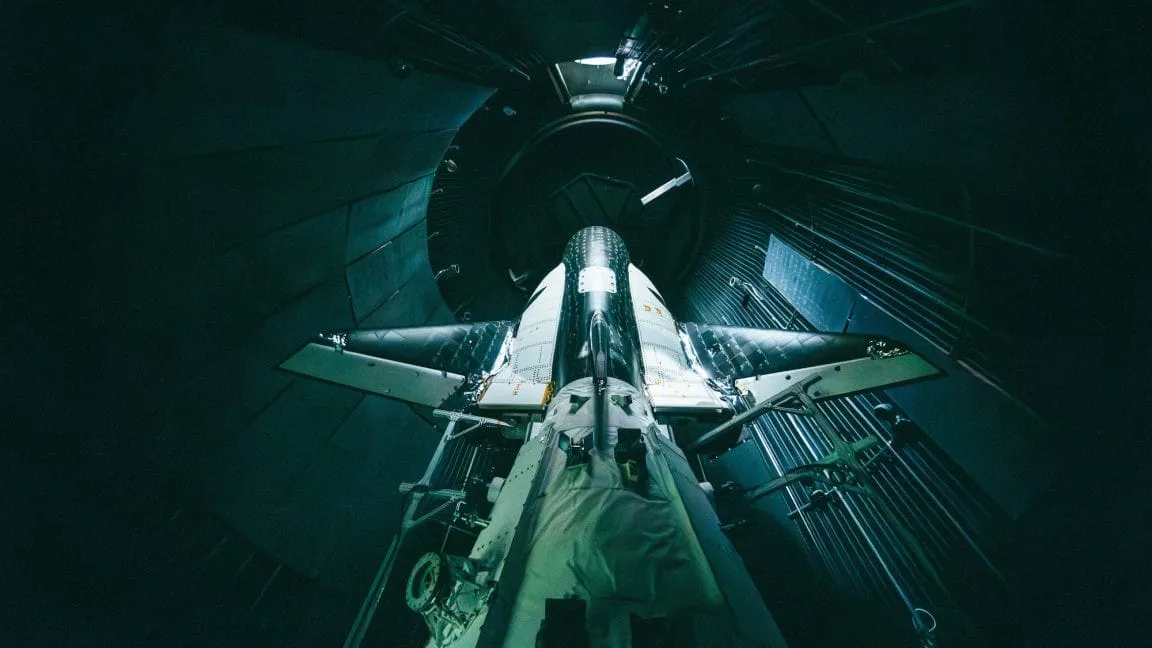
Sierra Space’s Dream Chaser space plane continues to captivate space enthusiasts, but its long-awaited orbital debut remains uncertain. Despite decades of development and a design reminiscent of the Space Shuttle, the winged vehicle won’t launch this year, according to recent updates from NASA officials.
During a briefing following the Crew-11 mission, Dana Weigel, NASA’s International Space Station program manager, provided insights into Dream Chaser’s progress. Sierra Space holds a contract to deliver cargo to the ISS, but Weigel emphasized that the company is still finalizing assembly and conducting critical tests. Software certification and propulsion system validation remain key hurdles before the spacecraft can attempt its first flight.
Weigel noted that Sierra Space is rigorously testing end-to-end software functionality, a lesson likely learned from Boeing’s Starliner setbacks in 2019. Unlike Starliner, which faced software glitches during its maiden flight, Dream Chaser’s systems are undergoing thorough verification to ensure reliability.
Another major focus is the propulsion system, which relies on over two dozen small rocket engines. These thrusters offer precise control with three adjustable thrust levels, using a kerosene and hydrogen peroxide fuel blend instead of traditional hypergolic propellants. While this approach reduces toxicity, it adds complexity to certification.
The Dream Chaser’s unique design and reusable capabilities make it a promising addition to space logistics, but patience is required as Sierra Space works through final technical challenges. For now, NASA’s stance remains clear: they’ll be ready whenever Dream Chaser is.
(Source: Ars Technica)