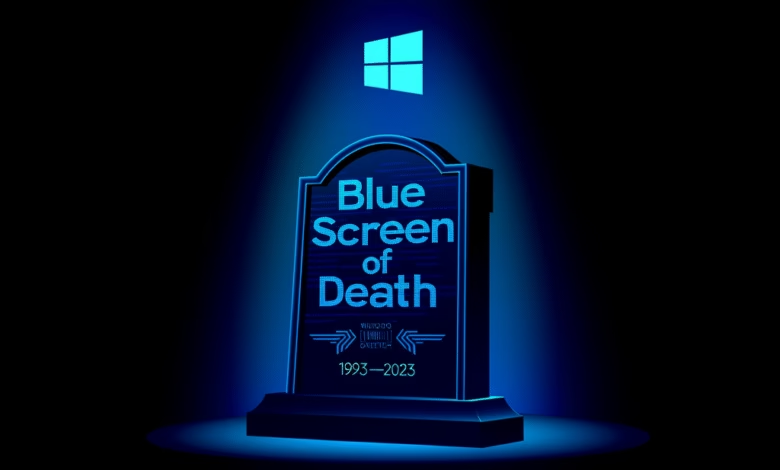
Microsoft Retires the Infamous Windows Blue Screen of Death
▼ Summary
– BleepingComputer.com offers a free community for users to discuss and learn about computers.
– Guests can browse forum discussions but need to log in to create topics or reply.
– Registering a free account unlocks additional features on the site.
– Account benefits include subscribing to topics/forums and creating a blog.
– Registered users can also access features not available to guests, like having their activity shown on the site.
Microsoft has officially retired the iconic Blue Screen of Death (BSOD) in its latest Windows 11 update, marking the end of an era for one of computing’s most recognizable error messages. For decades, the sudden appearance of this bright blue screen signaled system crashes, freezing computers worldwide and frustrating users with its cryptic error codes. The change reflects Microsoft’s ongoing efforts to modernize Windows and improve user experience.
The Blue Screen of Death first appeared in Windows 3.1 and became infamous through subsequent versions, particularly Windows 95 and XP. While it served as a critical error notification, its abrupt appearance often left users confused. The new system replaces the traditional BSOD with a simpler, black error screen that provides clearer troubleshooting information. This updated design aligns with Windows 11’s sleek aesthetic and focuses on making technical issues less intimidating.
Microsoft’s shift away from the classic blue screen isn’t just cosmetic. The company has enhanced error reporting tools to help users diagnose and resolve problems faster. Instead of hexadecimal memory addresses, the updated screen displays plain-language explanations and actionable steps. Behind the scenes, Windows now logs more detailed crash data, allowing for quicker fixes through automatic updates.
Despite its notorious reputation, the Blue Screen of Death developed a cult following over the years. Many longtime Windows users reacted with nostalgia to its retirement, sharing memes and personal stories online. Some even joked about missing the familiar panic induced by the sudden blue flash. However, most agree that the change is a positive step toward a more user-friendly operating system.
The new error screen is currently rolling out to Windows 11 users through the latest updates, with older versions of Windows expected to retain the classic BSOD for now. Whether this marks the complete end of blue screens remains to be seen, but for now, Microsoft is moving forward with a cleaner, more informative approach to system errors.
(Source: Bleeping Computer)