PlayStation 3 Receives Surprise New Update
▼ Summary
– Sony has released a system update for the 20-year-old PlayStation 3, which ostensibly improves system performance.
– The update’s primary purpose is to refresh Blu-ray encryption keys to keep physical discs working on unmodified consoles.
– A significant consequence is that the update breaks mods and custom firmware, potentially bricking jailbroken consoles.
– This action creates a tension between preserving the function of legitimate physical media and hindering access to games no longer sold.
– The article argues such anti-piracy measures feel vindictive for an abandoned console and that DRM should be removed after commercial support ends.
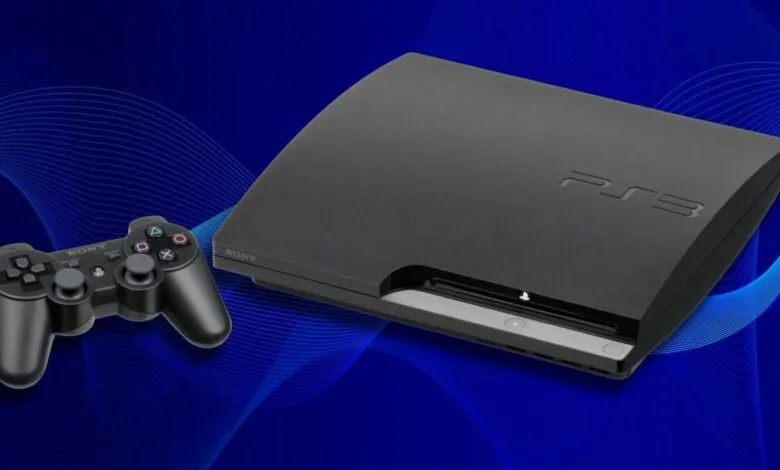
Sony has released a surprising new system update for the aging PlayStation 3, marking the first patch for the nearly two-decade-old console in over a year. This move highlights the complex balance between corporate security and the practical realities of game preservation for hardware long out of production. While framed as a routine performance improvement, the update carries significant implications for both legitimate users and the homebrew community.
The update, labeled system software version 4.93, officially states it “improves system performance.” In practice, this typically means Sony has updated the encryption keys for the console’s Blu-ray drive. This serves a dual purpose: it ensures that legitimate physical media continues to function correctly on unmodified hardware, but it also deliberately breaks existing mods and custom firmware installations. For users who have not modified their consoles, this is beneficial news, as it helps maintain compatibility with their physical game libraries.
However, for those who have jailbroken their PS3 systems, installing this update poses a serious risk. It can render current firmware exploits obsolete and may even brick a modified console, rendering it unusable. The modding community will inevitably work to crack the new encryption and release their own compatible version, but in the interim, consoles running custom firmware must remain on the previous 4.92 version to avoid problems.
This action reignites the ongoing debate around console modification, especially for obsolete systems. While violating the End User License Agreement, jailbreaking often centers on the concept of “homebrew” software. Yet, a primary use case is frequently playing pirated games, which presents a clear conflict for platform holders like Sony with current-generation hardware. The moral and practical landscape shifts considerably for a console like the PS3, where the vast majority of games are no longer being manufactured or sold as new products by the company.
The core mechanism driving these updates is the Advanced Access Content System (AACS) for Blu-ray discs. These encryption keys are designed to expire, a measure intended to thwart piracy on new media. This initiates a perpetual cycle where hackers crack the new keys, and companies subsequently issue updates to nullify those cracks. While this strategy has clear business logic for active platforms, its application on a legacy system like the PS3 can feel punitive to preservationists. It complicates access to games that are commercially abandoned, often rare, and difficult to source physically.
Ultimately, this update underscores a tension in the gaming industry. On one side, there is a legitimate corporate interest in protecting intellectual property and system integrity. On the other, there is a growing community concern about ensuring long-term access to gaming history. In an ideal scenario, digital rights management (DRM) for such old platforms would be removed after a reasonable period, freeing these cultural artifacts for preservation. For now, the immediate result is that owners of standard PS3 consoles can continue to use their original game discs, while the community of enthusiasts and preservers faces another hurdle in their efforts.
(Source: Kotaku)