iPhone’s Exclusive Hardware Feature Missing on All Samsung Phones
▼ Summary
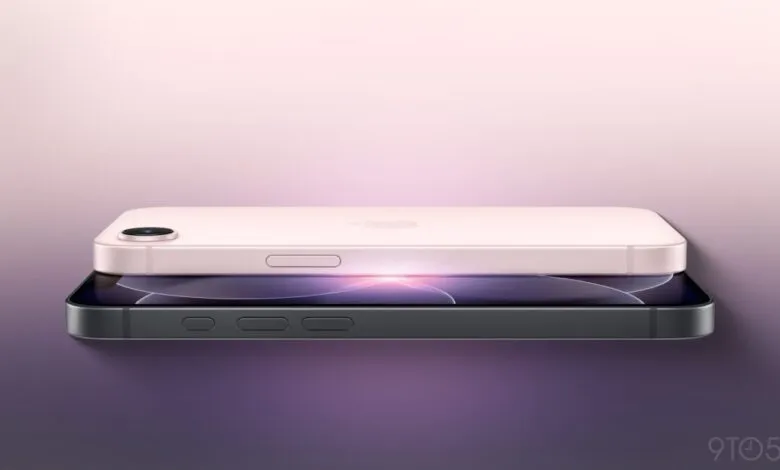
– Apple is releasing the iPhone 17e, which doubles the storage and adds MagSafe to the budget model, meaning every new iPhone now has this feature.
– MagSafe, introduced with the iPhone 12, enables magnetic attachment of accessories and improves wireless charging by aligning the charging coil.
– A Samsung executive stated the company avoids built-in magnets, citing added thickness and the fact most users buy cases, preferring to use that space for battery or thinness.
– Samsung leaves magnet standardization to case makers, which the article suggests leads to a mixed accessory experience compared to Apple’s phone-integrated approach.
– Apple has successfully integrated MagSafe into very thin models like the iPhone Air without sacrificing usable battery life.
Apple’s latest move with the iPhone 17e marks a significant milestone for its ecosystem, ensuring that every new iPhone model now includes the company’s proprietary MagSafe technology. This hardware feature, which utilizes a ring of magnets built into the back of the phone, remains completely absent from Samsung’s entire Galaxy smartphone lineup. The decision to standardize MagSafe across all iPhones provides a uniform platform for accessories and charging, creating a distinct advantage that Samsung has consciously chosen not to adopt.
When the iPhone 16e launched as a budget-friendly option, its lack of MagSafe was a notable omission. Its predecessor, the iPhone SE, also went without it. With the introduction of the iPhone 17e, Apple has closed that gap. For the first time since MagSafe debuted with the iPhone 12 in late 2020, every new iPhone Apple sells is equipped with this magnetic system right out of the box, requiring no additional case to function.
The integration of a powerful magnetic array enables users to securely attach a wide range of accessories directly to their iPhone. This includes items like wallets, car mounts, stands, and external battery packs. Beyond accessories, the technology significantly enhances the wireless charging experience. The magnets ensure perfect alignment with charging pucks, snapping the phone into the correct position every time to optimize charging speed and efficiency.
In contrast, Samsung continues to exclude similar built-in magnetic technology from its devices, including its most premium Galaxy models. The company’s rationale, as explained by executives, centers on the widespread use of protective cases. During a recent interview, Samsung’s Won-Joon Choi, who leads R&D and mobile operations, addressed the decision. He stated that incorporating magnets adds internal thickness, a trade-off the company finds unfavorable since most consumers use a case anyway. He noted that roughly 80 to 90 percent of people use cases, many of which now come with magnets. Samsung prefers to allocate that internal space for larger batteries or a slimmer device profile. While Choi confirmed ongoing research into the technology, he emphasized Samsung would only integrate magnets if it could be done without any internal compromise.
Apple, however, has demonstrated that integration is possible even in its thinnest models, like the iPhone Air, without sacrificing battery performance or usability. This leaves Samsung’s approach reliant on third-party case manufacturers to provide magnetic functionality. This decentralized method results in a lack of standardization for magnet placement, strength, and quality, leading to an inconsistent and often frustrating experience for users seeking to use magnetic accessories. When the phone itself establishes the standard, as with MagSafe, the ecosystem for compatible products becomes far more reliable and user-friendly.
(Source: 9to5Mac)