NASA, SpaceX Clash Over Moon Lander Manual Controls

▼ Summary
– NASA’s inspector general released a report examining the agency’s management of lunar lander contracts with SpaceX and Blue Origin.
– The report found NASA’s fixed-price contracting approach has effectively controlled costs and provided insight into lander development.
– The contractors have benefited from utilizing NASA’s expertise and unique capabilities to advance their landers.
– A key difficulty involves a disagreement between NASA and SpaceX over manual control for astronauts during lunar landings.
– NASA’s tracking indicates a worsening trend regarding SpaceX’s proposed approach to meeting the manual control requirement.
A new report from NASA’s Office of Inspector General has shed light on the agency’s management of its lunar lander contracts, revealing a significant technical disagreement with SpaceX over manual controls for the Moon landing. The report examines the development of the Human Landing System, a critical component of NASA’s Artemis program which aims to return astronauts to the lunar surface and establish a sustainable presence. While the fixed-price contracts with SpaceX and Blue Origin are praised for controlling costs and leveraging commercial innovation, the document highlights an unresolved conflict regarding how much direct control astronauts will have during the final, critical descent to the Moon.
The inspector general’s assessment, led by senior official Robert Steinau, concludes that NASA’s contracting strategy has been largely effective. This approach has provided the agency with valuable insight into the development work conducted by SpaceX and Blue Origin while allowing the companies to tap into NASA’s specialized expertise and unique facilities. The model is seen as a successful step in expanding partnerships with the U.S. commercial space sector.
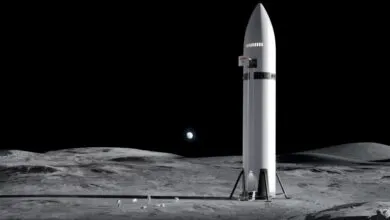
However, the report notes several challenges, with one standing out as particularly consequential. A clear disagreement exists between NASA and SpaceX regarding the fulfillment of the agency’s requirement for manual astronaut control during landing. According to the report, NASA remains unconvinced that SpaceX’s current proposed method for landing the Starship vehicle meets the necessary safety and operational standards for human intervention.
Despite SpaceX’s stated commitment to satisfying this requirement, NASA’s internal risk tracking indicates the situation is deteriorating rather than improving. The core of the dispute centers on the degree and practicality of allowing crew members to assume direct piloting control of the massive Starship spacecraft as it descends to the lunar terrain. This capability is considered a vital safety redundancy, ensuring astronauts can take over if automated systems encounter a problem. The ongoing debate underscores the complex balance between relying on advanced automation and preserving essential human oversight for the most hazardous phases of spaceflight.
(Source: Ars Technica)