Unlikely Clues Uncover Ancient Chinese Disasters
▼ Summary
– A recent study links warmer Pacific Ocean waters to devastating floods in ancient Shang Dynasty China around 3,000 years ago.
– The intense floods were caused by typhoons from the southern Chinese coast, fueled by a sudden temperature shift in the Pacific.
– The Shang Dynasty and the concurrent Sanxingdui culture were both thriving civilizations in central China during this period.
– Archaeological evidence shows disasters between 4,000 and 2,500 years ago caused population loss, relocation, and cultural upheaval in the region.
– The study’s authors suggest these ancient events serve as a historical warning for modern climate change preparedness.
A recent scientific investigation has revealed a fascinating link between ancient climate patterns and catastrophic events in early Chinese history. By examining three distinct and unexpected sources of evidence, researchers propose that warmer Pacific Ocean temperatures may have triggered a chain of events leading to devastating floods in the heartland of the Shang Dynasty approximately three thousand years ago. This discovery not only sheds light on a historical mystery but also offers a stark perspective on how modern climate shifts could influence extreme weather.
The people of that era would have had no way of knowing the distant origins of the calamities they faced. As massive floods inundated their settlements along the Yellow River, they were unaware that the root cause lay with powerful typhoons striking the southern Chinese coast hundreds of kilometers away. Even more remote was the driving force behind those typhoons: a significant shift in oceanic temperature cycles occurring thousands of kilometers across the Pacific. Modern science, however, allows researchers to reconstruct this ancient climatic domino effect. A team led by meteorologist Ke Ding from Nanjing University has pieced together this puzzle, creating what resembles a historical case study on societal resilience in the face of environmental upheaval.
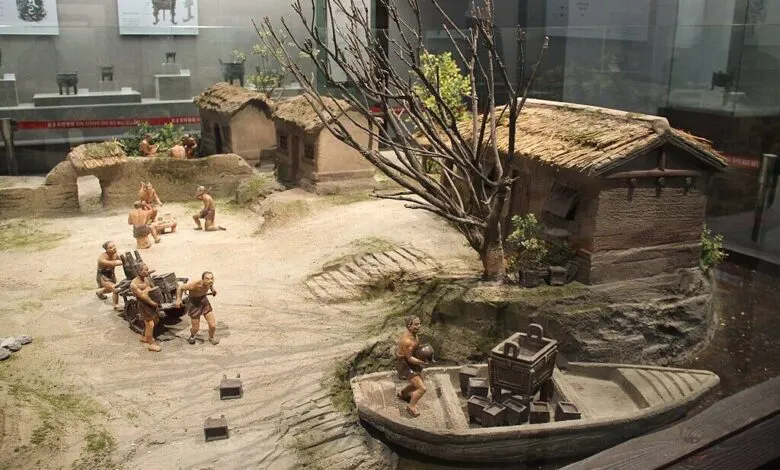
The study’s conclusions rest on an unusual triad of clues: typhoon patterns, ancient oracle bone inscriptions, and the archaeological record of abandoned settlements. During this pivotal period, two sophisticated cultures thrived in central China. The Shang Dynasty established its power in the Yellow River Valley, leaving behind the earliest known Chinese writing and evidence of elaborate rituals at their capital, Yinxu. Simultaneously, the Sanxingdui culture on the Chengdu Plain constructed a fortified city and created astonishing artifacts, including large bronze sculptures and gold masks, which they later buried in massive sacrificial pits.
Excavations across the region tell a story of repeated disaster between four thousand and twenty-five hundred years ago. These events severely reduced local populations, compelled communities to abandon their homes, and catalyzed significant cultural and political transformations. While both civilizations demonstrated remarkable resilience by eventually recovering and rebuilding, the archaeological layers clearly indicate periods of profound disruption and hardship. The new research suggests these disasters were not random but were intimately connected to a changing global climate.
(Source: Ars Technica)