The 2027 Bolt: Chevrolet’s Surprising Comeback, Driven
▼ Summary
– The Chevrolet Bolt, launched in 2017, was notable as an affordable long-range EV but faced a major battery recall and production delays.
– Despite becoming GM’s bestselling EV, the Bolt was canceled in 2022 as GM retooled its factory for electric trucks, a decision met with significant fan backlash.
– Due to public pressure, GM reversed course and announced a revived Bolt for 2027, featuring a new lithium iron phosphate battery and Ultium platform components.
– The new 2027 Bolt model adopts the EUV body style, offers an RS trim, and includes specs like a 262-mile range and 150 kW DC fast-charging with a NACS port.
– This article is based on a first-hand driving experience of the 2027 Bolt, facilitated by Chevrolet, with Ars Technica maintaining editorial independence.
Chevrolet’s 2027 Bolt marks a significant and unexpected return for a model that carved out a crucial niche in the affordable EV market. The original Bolt, launched in 2017, offered over 200 miles of range at a price point that dramatically undercut luxury competitors. Despite facing challenges like a major battery recall and pandemic-related delays, it became General Motors’ best-selling electric vehicle by a wide margin. Its cancellation in 2022, tied to a factory retooling plan, sparked considerable backlash from loyal owners. That consumer pressure ultimately led to a corporate reversal, with GM announcing the Bolt’s revival at CES 2023, now built with a more modern foundation.
The new model arrives with substantial upgrades under the skin. It now utilizes a lithium iron phosphate (LFP) battery, a chemistry known for its durability and lower cost. Gone is the previous lithium-ion pack. Furthermore, the 2027 Bolt benefits from GM’s expanded EV portfolio, borrowing the single drive motor from the Equinox EV. This strategic parts-sharing allows for economies of scale. The vehicle also debuts a new Android Automotive-based infotainment system and, importantly, adopts the NACS charging port for access to Tesla’s expansive Supercharger network, with DC fast-charging capability up to 150 kW.
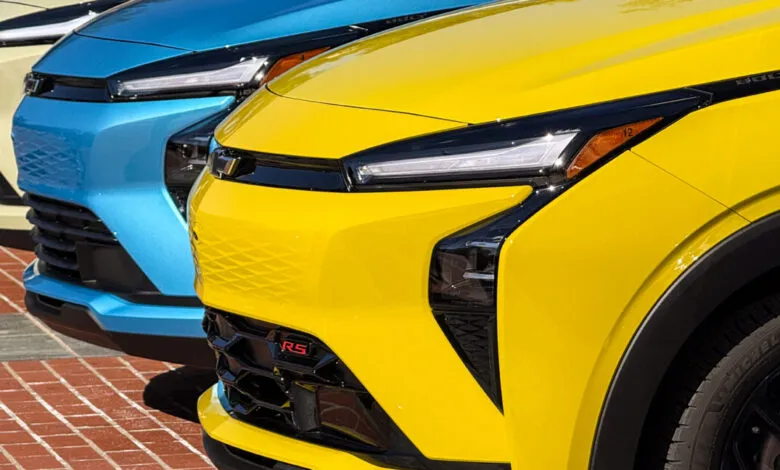
Visually, the comeback model consolidates into a single body style, the slightly larger crossover form previously sold as the Bolt EUV. It presents a familiar yet refreshed silhouette. During a recent drive event in California, the Bolt demonstrated its continued commitment to accessible electric mobility. The driving experience feels polished and confident, with smooth acceleration from its 212-horsepower motor. The cabin is noticeably quieter than the previous generation, thanks to improved sound insulation, and the seats offer better support for longer journeys.
The updated infotainment system, featuring an 11-inch diagonal screen, is responsive and intuitive. Wireless Apple CarPlay and Android Auto come standard, a welcome inclusion. The estimated range is a competitive 262 miles on a full charge, which should alleviate range anxiety for most daily commutes and weekend trips. While the 150 kW peak charging speed isn’t class-leading, it represents a meaningful improvement over the old Bolt’s capability, allowing for a 10-80% charge in approximately 30 minutes under ideal conditions.
Pricing remains a cornerstone of the Bolt’s value proposition. With a starting MSRP expected to be under $30,000, especially considering potential federal tax credits, it positions itself as one of the most affordable new EVs with substantial range. The sportier RS trim adds aesthetic enhancements like black 17-inch wheels and unique badging, appealing to buyers seeking a more dynamic look without a drastic price hike.
The Bolt’s return is a testament to listening to the market. It fills a persistent gap for a no-compromise, budget-friendly electric vehicle. By integrating proven technology from GM’s broader Ultium-based family and addressing key pain points like charging infrastructure access, the 2027 Bolt is poised to build on its predecessor’s legacy as a practical and compelling choice for mainstream EV adoption.
(Source: Ars Technica)
