Gulf Nations’ Tactics to Counter Iranian Missiles and Drones
▼ Summary
– Recent Iranian missile and drone attacks across the Gulf have made the region’s air-defense systems publicly visible through social media footage of interceptions.
– Gulf governments like the UAE have reported high interception rates, but the attacks have caused casualties and damaged infrastructure, including AWS data centers.
– The UAE’s layered defense, using systems like THAAD and Patriot, is effective but faces strategic strain from repeated, costly interceptions against cheaper threats.
– An expert analysis warns that the key challenge for Gulf defenses is sustaining interception rates and managing interceptor stocks during prolonged, wave-based attacks.
– Saudi Arabia’s large defense network, also centered on Patriot systems, has been shaped by years of defending against similar missile and drone attacks.
In recent days, the night skies over the Gulf have been illuminated by a stark new reality. Residents from Dubai to Kuwait City have witnessed the sudden flashes of air defense systems engaging incoming threats, turning sophisticated military operations into a public spectacle. Authorities have urgently requested that civilians refrain from filming or sharing such footage online, warning that these videos could compromise sensitive defense operations. This visible drama underscores a significant regional security challenge as nations respond to sustained aerial attacks.
The catalyst for these events has been a series of launches from Iran, involving both missiles and drones. These attacks are reported as retaliation for strikes that resulted in the death of Iranian Supreme Leader Ali Khamenei. In response, a coordinated defensive effort has unfolded across the region. Governments including those of the United Arab Emirates, Kuwait, and Bahrain have confirmed detecting and intercepting hundreds of projectiles aimed at their airspace, military sites, and critical infrastructure.
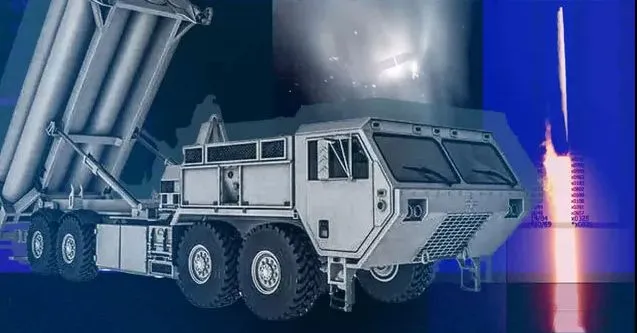
The United Arab Emirates employs a multi-layered air defense network engineered to counter threats at various altitudes and flight stages. At the highest level, the country utilizes the Terminal High Altitude Area Defense system, known as THAAD. This Lockheed Martin-developed system is designed to destroy ballistic missiles during their final descent using a kinetic “hit-to-kill” approach, eliminating the target through sheer force of impact. Providing a crucial secondary layer are Patriot missile-defense batteries. These Raytheon systems are capable of engaging missiles and other aerial dangers at lower altitudes. An integrated radar network provides early warning, detecting launches from great distances and enabling operators to compute trajectories and launch interceptors within a matter of minutes.
Official reports from the UAE Ministry of Defense indicate that since the escalation began, 196 ballistic missiles have been detected heading toward the country. Defense systems successfully destroyed 181 of these. Thirteen fell harmlessly into the sea, while two managed to land inside UAE territory. The attacks led to three fatalities and 78 injuries, with most casualties attributed to falling debris rather than direct hits. The assaults have also had a digital dimension, with Amazon Web Services facilities in both the UAE and Bahrain suffering direct strikes that caused structural damage and power outages.
While the high interception rates demonstrate the technical capability of these defensive arrays, they also expose the immense pressure such systems endure during sustained assaults. Andreas Krieg, an associate professor in defense studies at King’s College London, assesses the situation by noting that Gulf missile-defense is “tactically capable but strategically stressed.” He argues that the central question is not merely about interception capability, but about sustainability under the relentless tempo of these attacks.
Krieg emphasizes that modern missile defense has evolved into a contest of endurance as much as technology. Each interceptor missile can carry a price tag in the millions, while many of the drones they are used against cost only a tiny fraction of that amount. In a prolonged conflict, the challenges multiply. Maintaining sufficient interceptor stocks, ensuring rapid resupply, and coordinating defenses across a wide area become paramount strategic concerns. “The limiting factor becomes magazine depth, resupply speed, and the economics of using very expensive interceptors against cheap, persistent threats,” Krieg explains. The UAE’s investments over more than a decade, integrating systems like THAAD and Patriot with regional early-warning networks, are now undergoing a severe test.
Saudi Arabia maintains one of the most extensive air-defense networks in the Middle East, a system refined through years of defending against missile and drone attacks targeting its urban centers and vital energy infrastructure. The kingdom’s strategy heavily relies on the Patriot missile-defense system, bolstered by comprehensive radar coverage and additional assets to protect major population hubs and oil facilities. It also fields the more advanced PAC-3 MSE interceptor, another Lockheed Martin product that uses a direct-impact method to neutralize incoming ballistic missiles. This layered approach is crucial for a nation that has frequently been on the front line of regional aerial threats.
(Source: Wired)