F1’s 2026 Future: Nerve Damage, Energy, and Apple TV
▼ Summary
– The 2026 Formula 1 season features a major technical reset with smaller, lighter cars, new aerodynamics, and more powerful hybrid systems running on sustainable fuel.
– New 1.6L V6 power units have a 400 kW combustion engine and a significantly more powerful 350 kW MGU-K electric motor, replacing the previous MGU-H system.
– The rule changes aimed to attract new manufacturers by emphasizing road relevance, sustainability, and greater electrification.
– New power unit suppliers for 2026 include Audi, Honda, and Red Bull-Ford, joining Ferrari and Mercedes, while Alpine has ended its engine program.
– The sport is also moving to a new broadcasting deal with Apple in a $750 million shift from ESPN.
The roar of engines in Melbourne signals not just the start of a new Formula 1 season, but the dawn of a radically transformed era for the pinnacle of motorsport. The 2026 season represents a comprehensive technical reset, introducing smaller, lighter cars with active aerodynamics, a powerful new hybrid formula, and a landmark broadcasting shift. This overhaul aims to attract new manufacturers and enhance the spectacle, but it also brings complex challenges for teams and drivers to master.
A primary goal of the new regulations was to lure additional car manufacturers into the sport by increasing road relevance and emphasizing sustainability. The result is a significant rebalancing of the hybrid power units. While the core remains a 1.6-liter turbocharged V6, the complex MGU-H system attached to the turbo has been eliminated. In its place, a far more potent MGU-K electric motor and a larger battery pack take center stage. The internal combustion engine now produces 400 kW, with the enhanced MGU-K contributing an additional 350 kW for a formidable combined output.
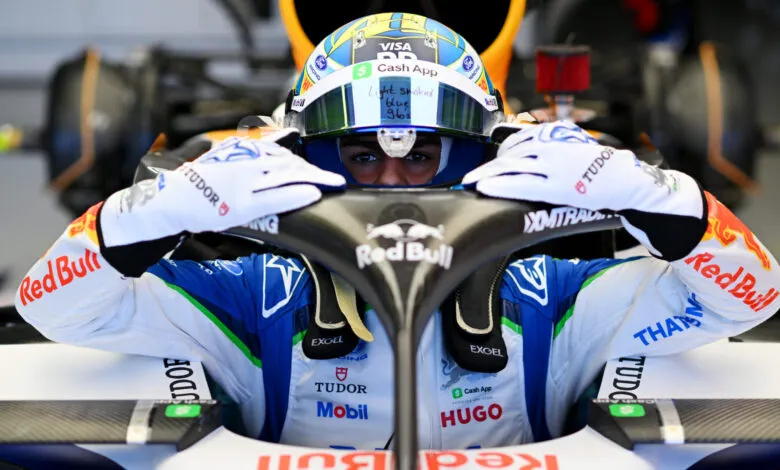
This shift towards greater electrical energy, however, introduces a unique and demanding physical challenge for drivers. The need to harvest and deploy vast amounts of electrical power through the MGU-K places unprecedented strain on the drivers’ bodies. Managing these intense energy flows requires constant, forceful inputs on the steering wheel paddles, leading to concerns about potential nerve damage in drivers’ hands and forearms over a full race distance. Teams are actively developing ergonomic solutions and training regimens to help their athletes cope with this new physical toll.
The spectacle of the racing itself is also set for a change. The cars are noticeably smaller and lighter, designed to improve wheel-to-wheel combat. A novel active aerodynamics system allows the car to alter its wing configurations between corners and straights to optimize both downforce and straight-line speed. Furthermore, every team must run on a fully sustainable, carbon-neutral fuel, adding another layer of technical intrigue and environmental commitment to the engineering battle.
Away from the track, fans will experience a major change in how they watch the sport. Formula 1 has secured a monumental new broadcasting agreement, moving its coverage from ESPN to Apple TV in a deal reportedly worth $750 million. This transition promises new production approaches and interactive features, though it has also sparked questions about accessibility and the future of the popular F1TV streaming service for dedicated fans.
The grid itself has evolved with the new engine regulations. The promise of a relevant hybrid formula successfully attracted Audi and brought Honda back as a full works supplier, while Red Bull Powertrains solidified its program with support from Ford. This expansion, however, coincided with the departure of Alpine’s long-standing engine department, with the Enstone squad opting to become a customer of Mercedes power alongside McLaren and Williams.
As the lights go out in Melbourne, the true impact of these sweeping changes will begin to unfold. Teams are grappling with the reliability of their complex new power units and the handling of the lighter chassis. Drivers are adapting to the physical demands of managing immense electrical energy. Whether this bold reset achieves its goals of closer racing and sustained manufacturer involvement will be the compelling story of the 2026 season.
(Source: Ars Technica)