White House Video Blends Call of Duty and Real Iran Strike Footage
▼ Summary
– The White House posted a video of real military strikes on Iran, editing it in the style of a Call of Duty highlight reel and starting it with a clip from the game.
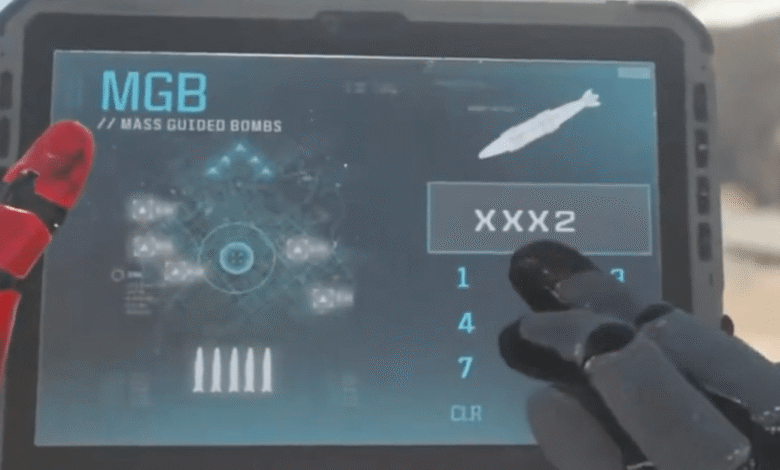
– The opening animation appears to be from *Call of Duty: Modern Warfare III*, specifically depicting a player activating a nuclear strike killstreak reward.
– This is part of a pattern where the administration uses video games as a basis for social media posts to promote its agenda.
– For example, the Department of Homeland Security previously shared a video of ICE raids with a Pokémon-themed caption and used a *Halo* image for recruitment.
– The companies Activision and Xbox did not immediately respond to a request for comment about the White House’s use of the game footage.
The White House has released a video depicting actual military strikes against Iran, but it does so using the high-octane visual style and introductory clip familiar to players of the popular video game Call of Duty. This blending of real-world combat footage with gaming aesthetics marks a continued effort by the administration to leverage pop culture in its official communications. The footage itself, showing missiles and munitions striking targets, is consistent with other videos previously released by U.S. Central Command.
Observers noted that the opening animation closely resembles a sequence from Call of Duty: Modern Warfare III, specifically the moment a player triggers a killstreak reward to launch a simulated nuclear strike. This approach is not an isolated incident. The current administration has a pattern of using video games and other entertainment media as frameworks for social media content designed to promote its policies and recruitment efforts.
For instance, last September, the Department of Homeland Security shared a montage of Immigration and Customs Enforcement raids accompanied by the caption “Gotta Catch ‘Em All,” a direct reference to the iconic theme song from the Pokémon television series. In another example, a DHS post aimed at recruiting ICE officers featured an image from the Halo franchise with the superimposed text “DESTROY THE FLOOD,” borrowing the game’s terminology for an alien parasite.
This strategy of repackaging governmental action within the recognizable tropes of gaming and animation appears to be a deliberate method to engage a specific, often younger, online audience. The use of such culturally resonant imagery aims to frame complex geopolitical and law enforcement activities in a more immediately accessible and visually dramatic context. Requests for comment from Activision, the publisher of Call of Duty, and its parent company Xbox were not immediately returned.
(Source: The Verge)