AI’s Rising Costs: Should We Delay Next-Gen Consoles?
▼ Summary
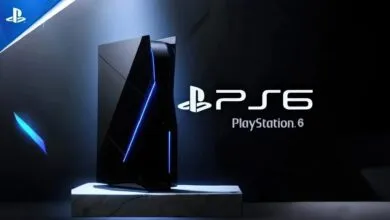
– The high demand for RAM by generative AI is causing shortages and price increases in consumer electronics, including gaming hardware like the Steam Deck and potentially delaying the PS6.
– There is a strong argument against rushing into a new console generation due to the prohibitive potential cost for consumers and the sense that the current PS5/Xbox Series generation still has untapped potential.
– Conversely, new console generations generate excitement, renew mainstream media attention for gaming, and create opportunities for new brands and experiences within the industry’s cyclical nature.
– One suggested side-effect of high hardware costs could be a renaissance in affordable retro gaming, allowing players to explore vast backlogs of classic games instead.
– The article presents a debate on whether it is better to extend the current console cycle or eagerly anticipate the next generation, leaving the question open for discussion.
The soaring demand for memory chips, driven by the artificial intelligence boom, is creating a significant shortage that now threatens the availability and affordability of consumer electronics, including gaming hardware. This scarcity is reportedly impacting everything from portable PCs to the potential timeline for future home consoles, raising a fundamental question for players: should the arrival of the next console generation be delayed? While new hardware traditionally brings excitement, a pause might offer unexpected benefits for both wallets and the gaming ecosystem at large.
The conventional rhythm of console releases has established an expectation of a new generation every five to six years. However, the current cycle has felt atypical, with a prolonged cross-generation period and the introduction of mid-cycle refreshes like the rumored PS5 Pro. This has led many to feel the PlayStation 5 and Xbox Series X|S have yet to be fully exploited. If the primary advancements are merely incremental graphical upgrades and faster load times, is that truly enough to justify a costly new hardware leap, especially if AI-driven component shortages force prices even higher? For a vast number of players, the existing library presents more than enough content, with thousands of games across platforms forming a daunting backlog. A longer generation could provide the breathing room needed for developers to master the current tech and for players to actually enjoy the games they already own.
There is, however, a compelling counter-argument. New console launches act as cultural events, propelling gaming back into mainstream conversation and generating a wave of excitement that benefits the entire industry. They create space for innovation, allowing new developers and fresh ideas to capture the spotlight during a period of renewed consumer curiosity. This cyclical renewal is vital; stretching a generation too long risks stagnation and a loss of that energizing momentum. The anticipation of what’s next is a powerful force in itself, fueling community discussion and dreams of future possibilities.
The potential financial barrier posed by next-gen consoles could also catalyze a fascinating shift in player behavior. As the cost of cutting-edge hardware climbs, a broader renaissance in retro and classic gaming might emerge, not just as a niche hobby but as a legitimate, affordable alternative. Vast libraries of exceptional games from past generations are readily accessible, often at a fraction of the cost of a new release. For younger players priced out of the modern market, discovering a parent’s old PS2 or Xbox 360 in the attic could unlock a treasure trove of experiences. This isn’t merely about nostalgia; it’s about recognizing enduring quality and value in gaming’s extensive back catalog.
Ultimately, the industry stands at a crossroads shaped by external technological pressures. While the allure of new hardware is undeniable, the practical realities of cost, untapped potential in current systems, and the sheer volume of existing content present a strong case for patience. Perhaps embracing a longer console cycle could foster greater creativity within technical constraints and encourage players to explore the rich history of the medium. The decision to rush toward the next generation or to deepen engagement with the present one will significantly shape the gaming landscape for years to come.
(Source: EuroGamer)