Google Recovers Deleted Nest Footage in Abduction Case
▼ Summary
– Google’s Nest cameras typically delete video events after three hours for non-paying users, with longer storage requiring a monthly subscription fee.
– Despite this policy, video from a non-paying user’s Nest camera was recovered by investigators after a high-profile abduction, showing it may not be immediately purged.
– The recovered footage captured a masked individual approaching, covering the lens, and attempting to remove or block the doorbell camera.
– Google states that expired videos are unavailable to users and cannot be restored, even with a later subscription upgrade.
– The incident reveals a potential discrepancy between user-accessible data deletion and the actual persistence of video data for investigative purposes.
In a recent high-profile criminal investigation, law enforcement officials successfully obtained crucial video evidence from a Google Nest doorbell camera, despite the homeowner not paying for a cloud storage subscription. This case highlights a critical, yet often misunderstood, aspect of modern digital security systems: the potential for data recovery even after a user believes it has been deleted. For many, the standard understanding is that without a monthly fee, footage is permanently erased after a short buffer period. However, as this incident demonstrates, the reality of data retention by service providers can be far more complex, offering vital opportunities for forensic investigation when it matters most.
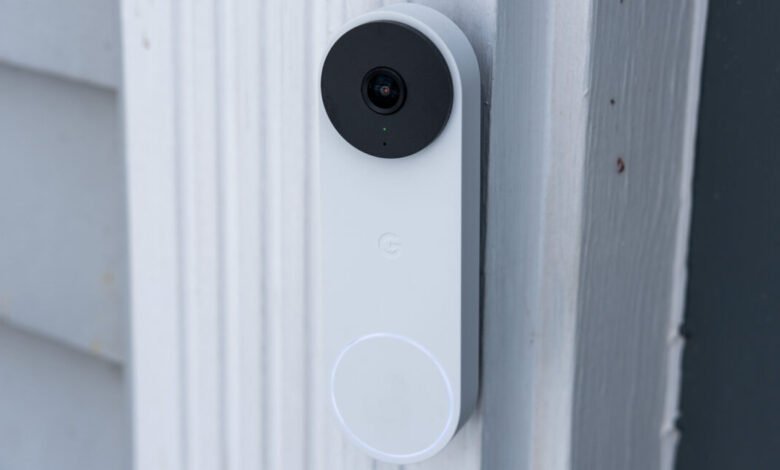
Google’s Nest cameras are integrated with the company’s Home service. The premium subscription tiers offer extended storage, with plans providing either 30 or 60 days of saved event clips. Without a paid plan, the system typically retains only a brief three-hour history of detected events before that data becomes inaccessible to the account holder. It’s important to note that newer devices include a temporary local cache to maintain functionality during internet outages, but this is not designed for long-term archival. In the abduction case of Nancy Guthrie, the camera itself was reportedly destroyed by the assailants, initially leading investigators to believe no footage existed.
The published videos reveal a masked individual approaching the residence. The first clip shows the suspect noticing the doorbell device, placing a hand directly over the camera lens, and then appearing to tamper with its mounting bracket. Nest doorbell cameras are equipped with a security screw designed to deter easy removal, often resulting in damage if forcibly detached. A subsequent, separate video event captures the same person attempting to obstruct the camera’s field of view by manipulating a nearby plant. Both recordings are brief, consistent with the short-duration “events” that the Google Home system is programmed to capture and save, even on basic accounts.
This situation underscores a significant point for consumers and legal professionals alike. While expired videos are not restorable through normal user channels, even with a later subscription upgrade, the data may not be immediately purged from company servers. The ability for authorized law enforcement, with proper legal process, to potentially recover this information can be a pivotal factor in criminal cases. The technical and legal protocols surrounding data preservation by tech companies remain a key area of discussion for privacy and security in the smart home era.
(Source: Ars Technica)