Overwatch Hero’s Face Changed After Community Feedback
▼ Summary
– Blizzard is discussing a visual redesign for the new Overwatch hero Anran following community controversy about her in-game appearance.
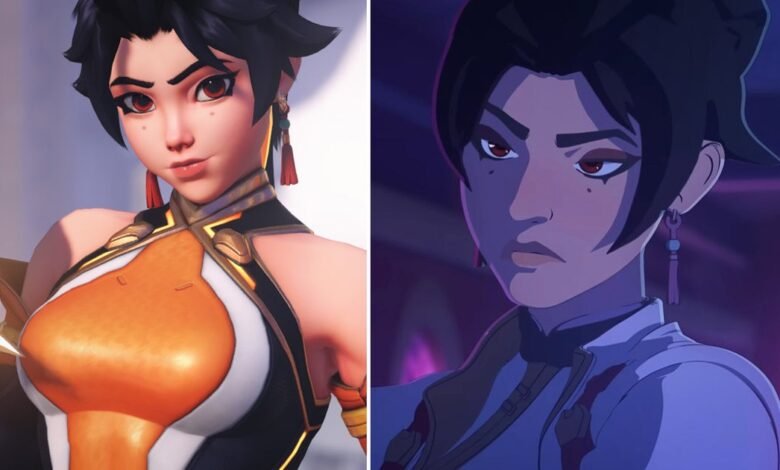
– The controversy centers on her “cutesy” in-game look differing from her fiercer depiction in prior animated and comic media, and relates to broader concerns about “same-face syndrome” for female characters.
– Overwatch’s game director confirmed the team is working to make Anran appear more like the “fierce older sister” envisioned, with a potential update planned for Season 1.
– Anran’s voice actor criticized the design, stating it fails to challenge beauty standards and feels incongruent with the character’s fiery personality.
– The controversy arises during a major relaunch for Overwatch, which includes dropping the “2” and introducing five new heroes as part of “The Reign of Talon” expansion.
Blizzard Entertainment is actively considering a visual redesign for the new hero Anran following significant player feedback about her in-game appearance. The character, who launched as part of the major The Reign of Talon expansion, has sparked a conversation about character design diversity and consistency within the popular team-based shooter. This discussion centers on two main issues that many feel are connected.
Firstly, a segment of the community has long criticized what they describe as “same-face syndrome,” a tendency for many female heroes in the game to share similar facial features. The second, and more immediate, point of contention is a perceived inconsistency. Anran was previously depicted as the fierce older sister of existing hero Wuyang in an animated short and comic. That version presented a more mature and formidable character, which fans argue contrasts sharply with her younger, more conventionally cute in-game model. Blizzard has acknowledged this discrepancy, with game director Aaron Keller stating the team is discussing how to make Anran better reflect her envisioned personality.
In a video message, Keller addressed the community’s concerns directly. “The team is currently discussing what it will take to make Anran look and feel more like the fierce older sister we all envision her to be,” he said. He noted that while the team is proud of their work on the new heroes, they agree this aspect of Anran can be improved. Implementing such a change is complex, as hero models are intricate, requiring thorough testing. The goal is to deliver an update during the current season, though specific timing remains unclear.
The feedback was amplified by Anran’s voice actor, Fareeha Andersen, who shared a poignant critique on social media. Andersen expressed that the earlier promotional materials set a precedent of challenging narrow beauty standards, making the final in-game design feel like a letdown. “I think the result we got says something else,” she stated, noting the design seems incongruent with Anran’s fiery personality. Andersen emphasized the importance of this issue, calling it “a hill worth dying on,” and praised the community’s passionate redesign concepts.
Historically, Overwatch has been praised for its diverse roster and thoughtful casting, matching actors with characters that share their cultural backgrounds. This track record suggests the developer takes representation seriously, making the swift response from leadership a positive sign. The central question now is what specific alterations will be made and whether this will lead to a broader review of other hero designs.
This controversy arrives during a pivotal week for the franchise, which is shedding its “2” subtitle and embracing a new annual content model. The launch of The Reign of Talon with five new heroes marks a fresh chapter. How Blizzard handles Anran’s redesign will be a telling indicator of its commitment to player feedback and its vision for the game’s evolving world.
(Source: EuroGamer)


