New Shoes and Brooms Revolutionize Olympic Curling
▼ Summary
– The 2026 Winter Olympics will feature curling, with particular attention on Italy’s reigning champion mixed doubles team of Stefania Constantini and Amos Mosaner.
– A major focus of the sport is its specialized equipment, including advanced brooms with sensors and microchips to manage throws.
– Nearly all curling stones are made from granite sourced from the Scottish island of Ailsa Craig, specifically for its heat and humidity resistance.
– The stones are produced by companies like Kays of Scotland and Canada Curling Stone through a meticulous grinding and polishing process.
– Broom technology is a key area of advancement, with materials like carbon fiber prioritized for their optimal balance of strength, lightness, and energy transfer.
The Winter Olympics consistently captivate audiences, and the sport of curling often emerges as a surprising fan favorite, drawing viewers into its unique blend of strategy, precision, and teamwork. This year, while powerhouse nations like Sweden and Canada remain formidable, the spotlight shines brightly on Italy’s reigning Olympic and world champions in mixed doubles, Stefania Constantini and Amos Mosaner. Beyond the athletes, however, the cutting-edge equipment and gear used in the sport are generating significant buzz, showcasing how technology is reshaping this ancient game.
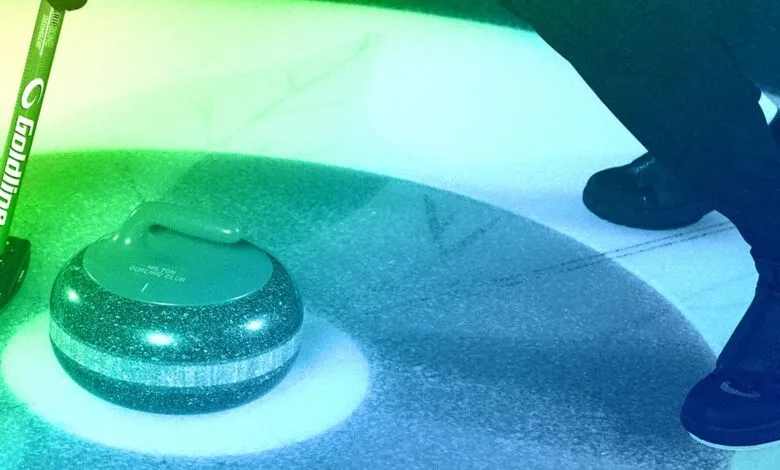
Nearly every curling stone in international competition originates from a single, iconic source: the island of Ailsa Craig off Scotland’s west coast. This location is famed for its unique granite, which provides the ideal material for the heavy stones. Each stone must weigh between 17.24 and 19.96 kilograms and is typically crafted from one of two specific granites known as common green or blue hone. These materials are chosen for their exceptional resistance to temperature changes and moisture, which is crucial given the intense conditions of the ice sheet. The primary supplier for Olympic and World Championship stones is Kays of Scotland, with Canada Curling Stone also being a major producer, especially given the sport’s booming popularity in North America. The creation of each stone involves a painstaking process of grinding and polishing to achieve the perfect balance and slide.
While the stones have a storied history, the most dramatic technological revolutions are happening with the players’ personal equipment: brooms and shoes. Modern brooms, in particular, have become highly engineered tools. Carbon fiber brooms represent the top tier, prized for their optimal blend of strength and minimal weight, which reduces fatigue during intense sweeping. For players at other levels, composite fiber offers a strong mid-range option, while fiberglass provides an affordable entry point. The design of the broom handle and its internal bearing system are critical, directly impacting the weight and the efficiency of energy transfer during sweeping.
Dale Matchett, general manager at BalancePlus, a leading curling equipment company, explains the ongoing innovation. “Broom technology remains a major focus because the physical demands of the sport keep changing. The biggest challenge is always finding that perfect equilibrium between weight, structural strength, and effective energy transfer from the sweeper to the ice,” he notes. This technological arms race extends beyond the broom. Specialized shoes with embedded sensors and microchips are now used by some athletes to analyze and perfect their delivery technique, adding a layer of data-driven insight to a game deeply rooted in feel and tradition.
(Source: Wired)