Nintendo Switch: The Best-Selling and Most Transformative Console
▼ Summary
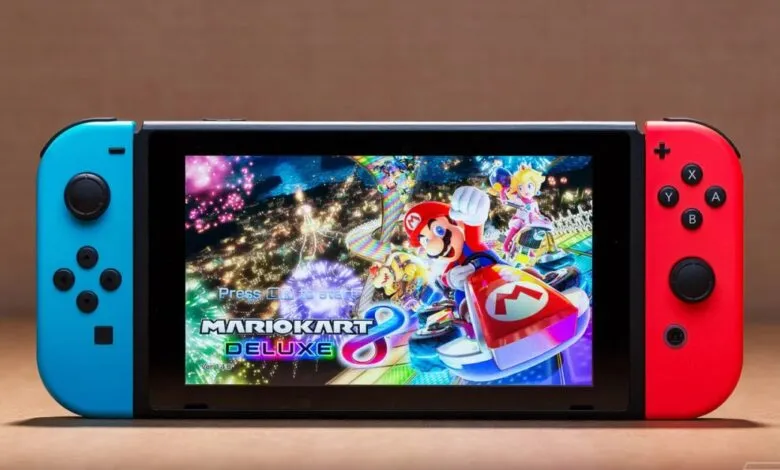
– The Nintendo Switch has become the company’s best-selling console ever, selling over 155 million units and surpassing the Nintendo DS.
– A key to the Switch’s success was Nintendo merging its home console and handheld development divisions, allowing its full creative resources to focus on one platform.
– This unified structure enabled a consistent release of major hit games throughout the Switch’s lifespan and into the launch of its successor.
– Nintendo used the Switch’s success to deliberately build a more resilient company, expanding into areas like film and television beyond just video games.
– While the Switch 2 faces industry pressures, its strong start suggests it doesn’t need to match the original’s success, only maintain Nintendo’s current momentum.
Nintendo’s journey through the video game industry has been a story of remarkable peaks and surprising valleys. From the NES bringing consoles into living rooms to the Wii’s motion-controlled revolution and the DS’s touchscreen innovation, the company has repeatedly captured the public’s imagination. Yet for every triumph, there often followed a stumble; the Wii U’s disappointing sales starkly contrasted with the Wii’s monumental success. This pattern of volatility, however, appears to be shifting. The Nintendo Switch has become the company’s best-selling console of all time, moving over 155 million units and eclipsing the legendary DS. More importantly, the era defined by this hybrid device has transformed Nintendo into a more resilient and multifaceted entertainment entity.
A fundamental reason for this sustained achievement lies in Nintendo’s internal restructuring. Prior to the Switch’s launch, the company merged its historically separate handheld and home console development divisions. This strategic move was perfectly aligned with the Switch’s unique hybrid design, allowing developers to focus their collective creative energy on a single, versatile platform. The outcome was an unprecedented run of software hits that became system-sellers in their own right. Titles such as The Legend of Zelda: Breath of the Wild, Animal Crossing: New Horizons, Mario Kart 8 Deluxe, and Super Smash Bros. Ultimate each sold tens of millions of copies, demonstrating the power of a unified development strategy.
This consolidated structure also enabled Nintendo to maintain a steady and impressive release cadence of major games throughout the Switch’s entire lifecycle. Even as attention began turning toward its successor, the console’s final years were graced with new entries in the flagship Zelda and Super Mario series. This consistency has created a powerful momentum, seamlessly carrying over into the launch of the next-generation console. The new system debuted to robust demand alongside a fresh Mario Kart installment, with other beloved franchises like Donkey Kong and Metroid quickly following, signaling a confident and continuous pipeline.
!The Nintendo Museum in Kyoto.
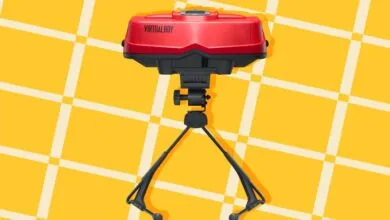
Nintendo’s evolution extends far beyond hardware and game development. The company is actively leveraging its iconic characters and worlds to build a broader entertainment footprint. While many game publishers are chasing Hollywood adaptations, Nintendo’s approach feels particularly deliberate. The massive success of The Super Mario Bros. Movie and the upcoming Legend of Zelda film represent calculated steps to diversify its business and solidify its brands in popular culture. This expansion is a marked contrast to past, less successful forays into areas like mobile gaming. The current Nintendo, fortified by the Switch’s reign, is pursuing these ventures with greater resources and strategic clarity, a confidence perhaps best exemplified by its willingness to commercially revisit past failures like the Virtual Boy.
The corporation that exists today is fundamentally different from the one that introduced the Switch seven years ago. Its foundation is more secure, and its vision extends well beyond the confines of a game console. This does not, of course, immunize it from future challenges. The new console enters a market fraught with external pressures, including rising development costs and an economic landscape that can make premium hardware a tougher sell. Yet the objective is no longer solely about replicating the Switch’s historic sales figures. Instead, the focus is on sustaining the creative and commercial momentum the company has built, using its stronger position to navigate an unpredictable industry while continuing to deliver unique experiences to players.
(Source: The Verge)