Refresh Your PC on a Budget: A New Case Makes All the Difference
▼ Summary
– Upgrading your PC case is a cost-effective way to refresh your setup when performance parts are expensive or scarce.
– A new case can improve system performance and reduce noise by providing better airflow and lower component temperatures.
– Modern cases offer significant aesthetic variety, from wood-accented designs to retro styles, enhancing your setup’s look.
– Newer cases provide updated front-panel connectivity, including faster USB ports like Type-C, which older chassis often lack.
– When selecting a case, consider future upgrades, as it’s a long-term component that should accommodate larger, more powerful parts.
Giving your computer a fresh look doesn’t have to mean emptying your wallet on the latest graphics card or processor. With the ongoing challenges of component availability and pricing, finding a satisfying upgrade can feel out of reach. One of the most effective and affordable ways to revitalize your entire setup is to transfer your existing hardware into a new PC case. This simple change can make your system feel brand new, offering both aesthetic and functional benefits that extend far beyond a simple cosmetic swap.
When selecting a new chassis, think beyond your current components. A good case often outlasts several internal upgrades, so it’s wise to consider future plans for larger or more powerful parts. The process of moving your system also presents a perfect opportunity for routine maintenance. You can reapply thermal paste, thoroughly clean out dust, or even install a new CPU cooler without a significant additional investment.
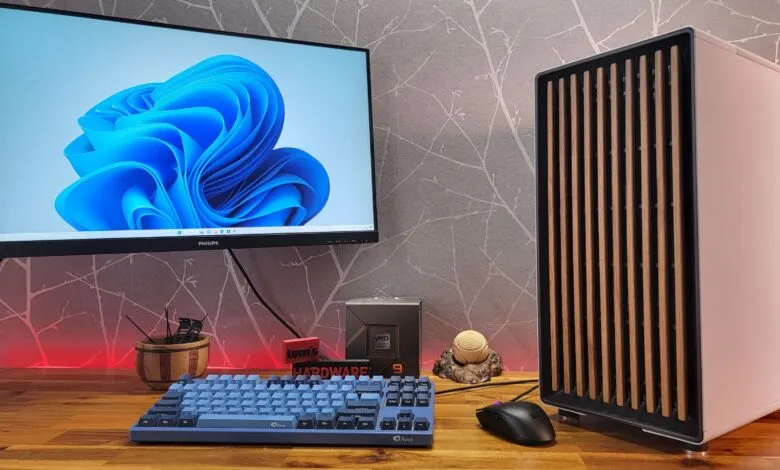
Beyond practical considerations, the visual impact is a major draw. Today’s case designs offer incredible variety, moving far beyond basic black boxes. Whether you’re drawn to the sophisticated wood accents of models like the Fractal Design North, the expansive view of a “fish tank” style chassis, or the nostalgic appeal of retro-inspired cases, there’s an option to match any personal style. Since you’ll likely live with this choice for years, picking a design you genuinely enjoy is important.
Improving internal airflow is another compelling reason for a case upgrade, directly impacting system performance and noise levels. Your current enclosure might have been adequate for a lower-power build, but newer, hotter components can expose its limitations. A modern case with optimized airflow lowers temperatures for your CPU and GPU, which often allows these components to sustain higher boost clocks. Better cooling can also mean quieter operation, as fans may not need to spin as fast to maintain safe temperatures.
Front-panel connectivity is another area where cases have evolved rapidly. A chassis from just a few years ago might lack a USB Type-C port or only offer slower USB 2.0 speeds. Modern cases frequently include high-speed USB 3.2 Gen 2 and Type-C ports, significantly speeding up file transfers from external drives. This is a tangible quality-of-life improvement, whether you’re working with large media files or simply moving game data. Just ensure your motherboard has the necessary internal header to connect that front-panel USB-C port.
Ultimately, investing in a new enclosure or peripherals can reignite your enthusiasm for your PC. It provides a noticeable refresh to your workspace’s appearance and functionality while you wait for the prices of other components to become more favorable. It’s an ideal project for anyone with a bit of discretionary spending who isn’t ready for a full system overhaul but still wants that “new PC” feeling.
(Source: Tom’s Hardware)