Is the iPad Still Necessary in 2026?
▼ Summary
– The iPad is a key Apple product that has expanded into multiple models since its 2010 debut.
– Rumors suggest upcoming foldable iPhones and touchscreen OLED MacBooks could reduce the need for a separate iPad.
– Apple positions the iPad as a standalone laptop replacement with high-end chips similar to MacBooks.
– Some users may keep iPads for cost or preference, as they are cheaper than rumored premium alternatives.
– The iPad’s market reach could shrink long-term if foldable iPhones and OLED MacBooks gain popularity.
The question of whether the iPad remains an essential device in 2026 is a compelling one, especially as Apple’s product ecosystem continues to evolve. The iPad has carved out a unique niche as a versatile, standalone computing device, bridging the gap between the smartphone and the laptop. However, the potential arrival of new hardware, like a foldable iPhone and touchscreen MacBooks, introduces fresh competition that could reshape how consumers view the tablet. While these rumored products promise to blend form factors and functionalities, the iPad’s established position and specific use cases suggest it won’t vanish quietly from the market.
Apple has consistently positioned the iPad, particularly the Pro and Air models, as a legitimate laptop alternative. These tablets are powered by the same high-performance M-series chips found in MacBooks, offering serious computing power in a sleek, portable form. The company has also been clear about its strategy to keep the iPad and Mac lines distinct, despite their shared silicon and increasingly overlapping software capabilities. This deliberate separation reinforces the iPad’s identity as a unique tool for creativity, note-taking, media consumption, and lightweight productivity.
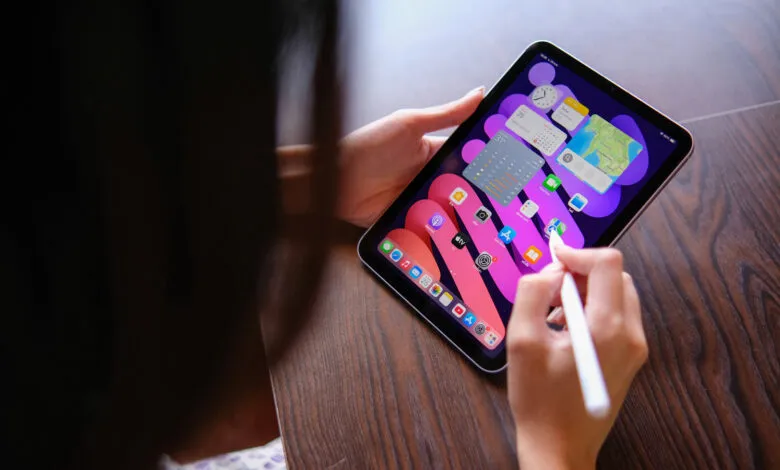
For many users, the iPad fulfills a role that neither a phone nor a laptop can perfectly match. Its larger screen is ideal for drawing with the Apple Pencil, reading documents, or watching videos in a way that feels more immersive than a smartphone but less cumbersome than opening a laptop. Some people simply prefer maintaining this dedicated device alongside their iPhone and Mac, valuing the focused experience it provides.
Cost is another significant factor. Rumors suggest a foldable iPhone could carry a premium price tag, potentially reaching up to $2,400. In comparison, a standard MacBook Pro starts at $1,599, while the most affordable iPad begins at just $349. This substantial price difference makes the iPad an accessible entry point into Apple’s ecosystem and a cost-effective solution for specific tasks. For students, artists, or casual users, the value proposition of a basic iPad is hard to beat.
Looking ahead, the iPad’s market reach could certainly be impacted if foldable iPhones and touchscreen MacBooks gain widespread popularity. These devices aim to consolidate functions, potentially reducing the need for a separate tablet. Yet, the iPad’s longevity is a testament to its adaptability. Apple continues to refine iPadOS and introduce accessories like the Magic Keyboard, pushing the device further into professional realms. Its future may not be about being “necessary” for everyone, but rather about remaining the best-in-class option for those who prioritize its specific blend of portability, touch interaction, and power. The iPad’s journey is one of refinement rather than replacement, ensuring it holds a relevant, if perhaps more specialized, place in the digital toolkit.
(Source: BGR)