Nintendo Reportedly Unhappy With Sonic’s Foot Placement Over Mario’s
▼ Summary
– A former Sega producer shared a story about Nintendo’s strict control over its characters during the development of “Mario & Sonic at the Olympic Games.”
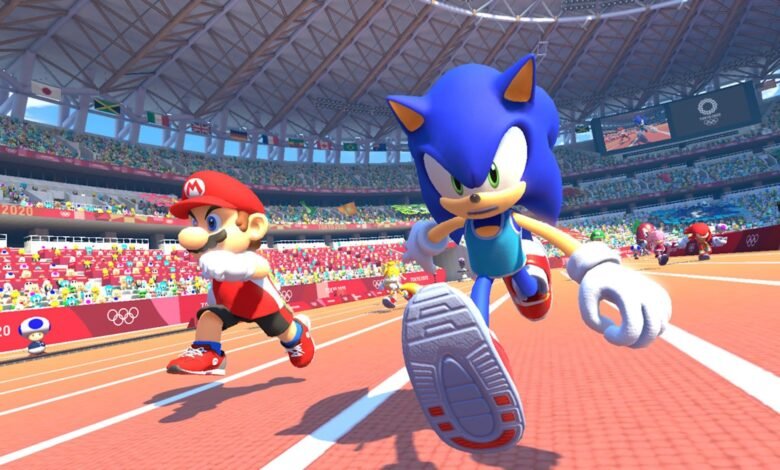
– Nintendo demanded a change to artwork because Sonic’s foot was positioned in front of Mario’s, requiring Mario to have visual priority.
– The development team felt compelled to make the change to avoid jeopardizing the licensing deal with Nintendo.
– This anecdote is presented as an example of Nintendo’s well-known reputation for being extremely protective of its intellectual property.
– Rumors suggest the “Mario & Sonic at the Olympic Games” series may not be returning, according to the article.
The world of video game development is filled with fascinating behind-the-scenes stories, especially when it involves major companies collaborating on iconic franchises. One such tale involves the meticulous standards Nintendo is known for when protecting its beloved characters. A former Sega of Japan producer recently shared a specific anecdote that highlights this attention to detail, recalling a particular demand made during the creation of promotional artwork for the Mario & Sonic at the Olympic Games series.
Ryoichi Hasegawa, a veteran who worked at Sega during two separate stints, recounted the incident in a recent interview. The story centered on official artwork featuring Mario, Sonic, and other characters standing together on an athletic field. This artwork was destined for multiple uses, including the game’s package, instruction manual cover, and cartridge label. According to Hasegawa, a seemingly minor compositional detail sparked a direct request from Nintendo.
The issue was Sonic’s foot placement in relation to Mario’s. In the original draft, Sonic’s foot was positioned slightly in front of Mario’s. Nintendo contacted the Sega team and insisted this be corrected, demanding a change in the “priority” of the characters within the image. The implication was clear: Mario, as Nintendo’s flagship character, needed to be visually prominent and could not appear to be lagging behind his friendly rival from Sega.
Hasegawa confirmed that the team’s reaction was one of amused surprise, but they immediately understood the necessity of the change. He emphasized that complying with such requests was non-negotiable to ensure the partnership and the game’s release proceeded smoothly. This anecdote is far from an isolated case; numerous third-party developers have shared similar stories about Nintendo’s extremely protective and precise approach to managing its intellectual property. Every element, from character design to their positioning in promotional material, is carefully scrutinized to maintain brand integrity and legacy.
While this particular series of crossover titles brought two gaming icons together for over a decade, its future currently seems uncertain. Rumors have circulated for several years suggesting that the Mario & Sonic at the Olympic Games franchise may not see new installments. Whether or not the series continues, stories like the one about foot placement offer a memorable glimpse into the high-stakes, detail-oriented world of cross-company video game development, where even the smallest pixel can carry significant weight.
(Source: Nintendo Life)


