This Photo from the Minneapolis ICE Protests Is Haunting
▼ Summary
– A photographer named John Abernathy claims he was tackled by ICE agents during a protest in Minneapolis and threw his Leica camera to prevent its confiscation.
– Abernathy’s Leica M10 camera survived the throw with minimal damage, which online commentators attributed to its durable brass and magnesium alloy construction.
– The article notes the high cost of Leica cameras, with the model in question retailing for approximately $4,595 and more advanced models costing significantly more.
– U.S. Immigration and Customs Enforcement (ICE) stated that “anti-ICE agitators” at the protest threw objects, shouted profanities, and created hazardous icy conditions, leading to four arrests.
– The incident sparked discussion in photography communities, with some Leica enthusiasts debating the suitability of such expensive, manual-focus cameras for high-risk protest environments.
In the midst of intense political demonstrations, a single photograph can sometimes capture a moment of jarring contradiction. A recent image from protests at the Minneapolis ICE facility shows a photographer, after being detained, making the split-second decision to toss his high-end camera to safety. This act, set against a backdrop of conflict and law enforcement, presents a stark commentary on the value we assign to objects, even in moments of personal jeopardy.
The photographer, John Abernathy, documented the incident on social media. He states he was tackled by agents during the protest at the Bishop Henry Whipple Federal Building. Fearing confiscation, he threw his Leica camera toward a fellow photographer. On Bluesky, he later offered an unexpected product review, noting the Leica M10 camera survived the concrete impact with minimal damage, landing on its base plate. He also described being held down and exposed to tear gas and pepper spray during the encounter.
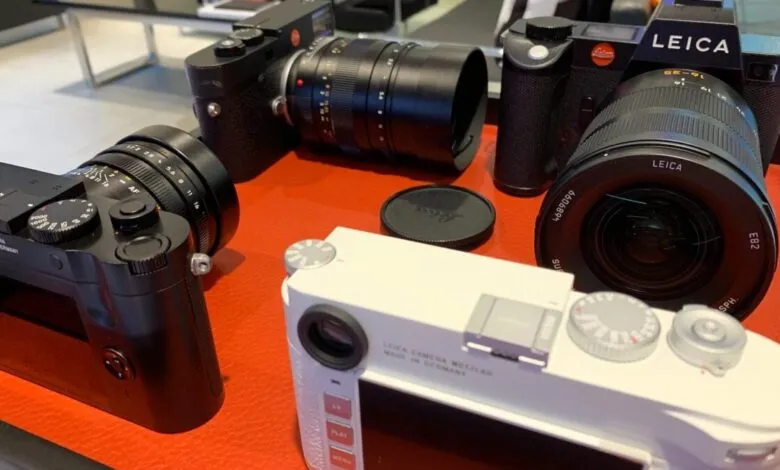
This narrative quickly sparked discussion in specialized photography forums. Enthusiasts on the Leica subreddit identified the specific model as an all-black Leica M10, a device retailing for nearly $4,600. The conversation pivoted from the political context to the camera’s renowned durability. According to the manufacturer, the M10’s construction, featuring a solid brass and magnesium alloy chassis, is designed to withstand the rigors of daily use, though perhaps not explicitly tested by being thrown during an arrest.
The response from U.S. Immigration and Customs Enforcement presented a different account. The agency posted on social media that “anti-ICE agitators” at the event threw objects, shouted profanities, and created hazardous conditions by pouring water on roads. Their statement did not reference any cameras. They reported that after repeated warnings, four individuals were arrested.
Beyond its ruggedness, the Leica brand carries significant cultural weight in photography circles. The cameras are premium instruments, with higher-tier models like the $9,500 Leica M11 incorporating features aimed at verifying digital authenticity. The subculture surrounding these devices is equally notable. In reaction to the protest photo, one forum member expressed hesitation about using such a manual-focus camera in a chaotic environment, preferring the versatility of an autofocus zoom lens for similar situations. This technical debate, arising from a charged political moment, highlights the intersecting worlds of gear obsession and frontline documentation.
(Source: Gizmodo)