HBO Max: Treating Streaming as a Product, Not a Service
▼ Summary
– HBO Max’s “3 Up” process upgrades live content by converting SDR to HDR, 1080i to 1080p, and upmixing audio to Dolby Atmos to ensure a consistent viewer experience.
– This approach treats streaming operations as a product, proactively enhancing source quality to prevent reliance on consumer devices making assumptions during playback.
– The shift to a cloud-based master control system during the Max launch provided the flexibility to secure higher-quality source feeds for processing.
– Improvements initially made for HBO Max’s streaming quality have also been applied to enhance the signals sent to traditional linear broadcast partners.
– By controlling processes like deinterlacing, the team ensures downstream distributors receive an optimal signal, reducing quality degradation.
At Warner Bros. Discovery, the engineering team behind HBO Max has fundamentally reimagined its approach, treating streaming operations not as a generic service but as a carefully crafted product. This philosophy centers on proactively enhancing the viewer experience by ensuring consistent, high-quality audio and video delivery, regardless of the original source material. A key example of this strategy is a process internally called “3 Up,” which systematically upgrades live content.
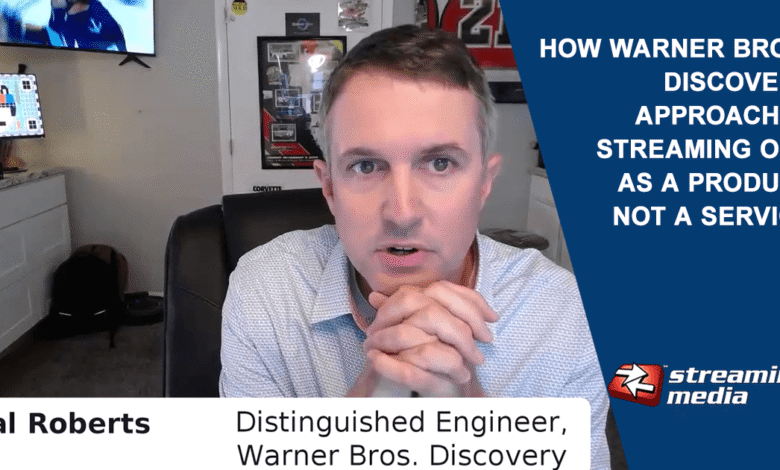
The concept was detailed by distinguished video platform engineer Neal Roberts. He explains that “3 Up” involves three core enhancements: upmapping standard dynamic range (SDR) video to high dynamic range (HDR), uprezzing 1080i footage to a progressive 1080p signal, and upmixing audio to richer formats like Dolby Atmos. The goal isn’t to deceive subscribers but to build confidence. By taking control of these enhancements at the source, the team removes the uncertainty of how individual consumer devices might process the signal. This ensures the creative intent of production teams is preserved and delivered uniformly to every screen.
Roberts emphasizes that this method requires pristine source material and a reimagined workflow to move content from production into direct-to-consumer channels with low compression. The positive subscriber feedback, with notably few complaints on typical grievance platforms, indicates the strategy is working effectively. This product mindset also influenced a major infrastructural shift. On the very day HBO Max launched its live service, the company transitioned from an on-premises master control system to a cloud-based solution.
This move was far more than a simple lift-and-shift. Roberts saw it as a critical opportunity to advocate for higher quality from the start, rather than accepting the existing broadcast feed meant for traditional partners. He demonstrated that the cloud’s flexibility allowed for processing content specifically for the streaming product’s needs, ultimately gaining buy-in from broadcast and content teams. The improvements pioneered for HBO Max have since been applied to benefit linear distribution partners as well, raising the quality bar across the entire ecosystem.
Acting as a customer advocate, the engineering team ensures they receive the optimal feed to build the correct packaging for all distribution endpoints. This is especially crucial as many partners now require a progressive video signal. Controlling processes like deinterlacing internally means there is one less opportunity for the content quality to be degraded somewhere down the line after it leaves their hands. This end-to-end ownership, from source to viewer, exemplifies the product-oriented approach that defines their streaming operations.
(Source: Streaming Media)