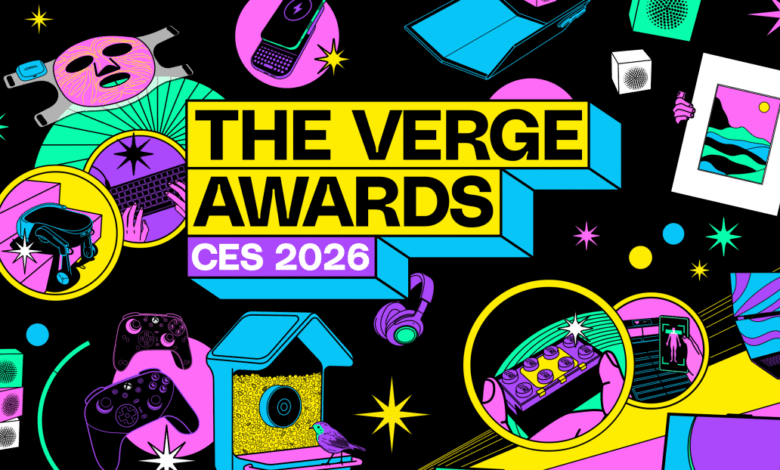
CES 2026: The Verge Award Winners Revealed
▼ Summary
– CES 2026 showcased a wide range of innovative consumer electronics, with The Verge’s team highlighting standout products across multiple categories.
– LG Display won the best monitor award for its 4K OLED panel that solves text fringing issues and offers a dual-mode high refresh rate, edging out Samsung.
– The Lego Smart Brick earned Best in Show for its innovative use of NFC tags to add interactive lights, sounds, and gameplay to any Lego creation, launching in March.
– Key trends included advanced displays, AI integration, robotics like the stair-climbing Roborock vacuum, and a focus on open smart home standards with devices like the Aqara Smart Lock.
– Other notable products were a trifold Samsung phone, TCL’s high-brightness Mini-LED TV, a solid-state battery promise from Donut Lab, and Ikea’s affordable Kallsup Bluetooth speaker.
The annual Consumer Electronics Show in Las Vegas once again set the stage for the year ahead, unveiling a flood of new gadgets that promise to define the tech landscape. From genuinely groundbreaking innovations to curious experiments, the event offers a unique glimpse into the future of consumer technology. After a week of exploring the show floor, a select group of products stood out for their ingenuity, design, or sheer delight, earning recognition as the best of the event.
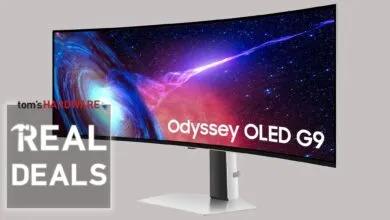
In the display category, LG Display’s new OLED panel ended Samsung’s winning streak. Both companies showcased impressive high-refresh-rate OLED screens that finally solve the color fringing issue that plagued previous generations, making text exceptionally clear. However, LG’s 27-inch 4K panel, which can switch between 240Hz and a blistering 1080p 480Hz mode, offered the best combination of sharpness for work and smooth performance for gaming, making it the preferred choice.
The keyboard category was highly competitive, but Corsair’s Galleon 100 SD made a unique impression. This full-size mechanical keyboard integrates a Stream Deck directly into its frame, featuring a screen, rotary knobs, and customizable buttons. While the typing experience is solid, the seamless fusion of a productivity peripheral into a keyboard without a clunky design is its true achievement.
For televisions, TCL’s bold strategy with its X11L SQD-Mini LED TV paid off. Moving away from the industry’s focus on RGB LEDs, TCL enhanced its blue LED mini-LED technology with new quantum dots and an UltraColor Filter. This combination achieves full coverage of the BT.2020 color space, remarkable 10,000-nit peak brightness, and up to 20,000 dimming zones, setting a new bar for color accuracy and vibrancy.
Gaming laptops saw a fascinating evolution with Asus’s updated ROG Zephyrus Duo. This dual-screen machine features two matching 16-inch OLED displays, top-tier RTX 5090 graphics, and a removable wireless keyboard. It transforms between a clamshell laptop, a multi-screen productivity powerhouse, and a tented all-in-one, bringing versatile dual-screen utility to high-performance gaming.
Smart home interoperability took a significant step forward with the Aqara Smart Lock U400. As the first lock to support Apple’s hands-free Home Key via ultra-wideband, it unlocks securely as you approach. Crucially, as a Matter-over-Thread device, it works across all major smart home platforms. Its readiness for the new Aliro standard promises to extend this seamless experience to Android users, tackling the longstanding problem of ecosystem lock-in.
In automotive tech, Mercedes’ Drive Assist Pro stood out as the most tangible advancement. This Level 2 driver-assist system, powered by a suite of sensors and a powerful Nvidia supercomputer, demonstrated impressive capability in handling complex urban driving during a test in San Francisco. It represents a robust, sensor-rich alternative to camera-only autonomous systems.
Health technology focused on longevity, with Withings’ Body Scan 2 redefining the humble scale. It measures over 60 biomarkers, including metabolic health via foot sweat analysis, encouraging users to view weight as just one component of overall health rather than the sole focus.
A surprising highlight in wearables was L’Oréal’s innovative LED face mask. Based on a flexible sheet-mask design, it’s far more comfortable than rigid alternatives and uses specific, disclosed wavelengths. Its pursuit of FDA clearance brings a welcome layer of transparency and legitimacy to a crowded market.
For pure, whimsical utility, Dreame’s standing hair dryer captured imaginations. This $700 device dries hair hands-free and doubles as a modern floor lamp, merging two unlikely home appliances into one conversation piece.
The gaming peripheral award went to 8BitDo’s Ultimate 3E Controller for Xbox. Packed with premium features like TMR joysticks, Hall effect triggers, and extensive customization, including swappable button modules, it proves that third-party manufacturers can not only match but exceed first-party offerings.
Samsung’s TriFold phone pushed the boundaries of mobile form factors. Folding twice to transform from a 6.5-inch phone to a 10-inch tablet, it makes a compelling case for a truly pocketable device that can expand into a large-screen productivity tool.
Audio enthusiasts were impressed by Fender’s Mix headphones. They delivered rich, balanced sound with exceptional comfort and clever details like a user-replaceable battery and a built-in USB-C dongle for Auracast broadcasting, all wrapped in a durable, well-built design.
Amidst a sea of humanoid robots, Roborock’s Saros Rover solved a practical problem. This concept robot vacuum uses unique froglike legs on wheels to climb and clean stairs, tackling the final frontier for automated home cleaning.
A delightful surprise came from HP’s Eliteboard G1a, an unassuming office keyboard that houses a full desktop computer, complete with an AMD processor, RAM, and storage, inside its chassis. It’s a quirky, nostalgic nod to all-in-one computing that feels both fun and functional.
The most promising announcement was from Donut Lab, which claimed to have a production-ready solid-state battery. If proven, this technology could revolutionize electric vehicles with greater energy density, durability, and safety, though the industry awaits real-world validation.
A welcome correction came from Dell, which revived the beloved XPS brand on its laptops after a brief and confusing retirement, much to the relief of fans.
E Ink technology found a clever new application in the SwitchBot Weather Station. This minimalist device uses a monochromatic E Ink screen to display detailed weather and calendar information, proving that low-power displays are perfect for always-on home dashboards.
The product most likely to end up in shopping carts is Ikea’s Kallsup Bluetooth speaker. This tiny, $10 cube offers surprising sound quality, a user-replaceable battery, and the ability to sync with up to 100 others, making it an irresistible impulse buy.
A standout concept was Lenovo’s Legion Pro Rollable gaming laptop. It features a display that extends horizontally from a 16-inch laptop screen to a 24-inch ultrawide, offering a tantalizing glimpse at a future of adaptable, multi-purpose gaming machines.
In a show filled with AI, Fraimic’s digital E Ink picture frame stood out for its painfully obvious concept: a frame that generates AI art via voice command. Yet, its utility as a standard, long-lasting digital photo frame gives it broader appeal beyond the AI novelty.
The award for irrational affection went to Ecovacs’ LilMilo, an AI companion that does little more than look like an adorable, reactive puppy. Its convincing design and lifelike interactions sparked an unexpected emotional connection, despite its limited functionality.
The most fun experience was found with Haply’s MinVerse, a 3D haptics mouse that allows users to physically feel textures and resistance when manipulating virtual objects. This tactile feedback could revolutionize 3D modeling and design, making digital sculpting far more intuitive.
A superb sequel arrived with the Birdbuddy 2 smart bird feeder. It upgrades the camera for better 2K HDR video, increases food capacity, and adds solar panels, making it a substantial improvement for backyard birdwatchers.
The accessory many are eager to test is the Clicks Power Keyboard, a magnetic keyboard that doubles as a power bank for smartphones. Its versatility, portability, and satisfying physical keys make it a compelling mobile productivity tool.
Finally, the highest honor, Best in Show, was awarded to the Lego Smart Brick. In a show dominated by speculative AI, this tangible innovation brings interactive lights, sounds, and gameplay to classic Lego builds via NFC technology. It’s a creative, playful, and immediately understandable product that empowers imagination, reminding everyone that the most compelling technology is often the most fun.
(Source: The Verge)